
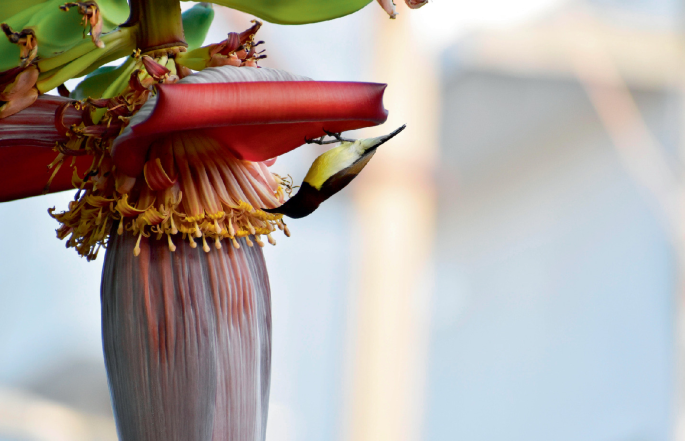
The researchers collected and analysed more than 3,400 quantitative interaction networks, covering over 110,000 plant–pollinator interactions. After accounting for sampling completeness, methodological biases and differences in taxonomic scope, they found that latitude was significantly associated with specialization in most cases but that its effects depended on the metric, hemisphere and pollinator functional group. Specifically, network-level and pollinator specialization most often peaked near the northern tropical–subtropical boundary, whereas plant specialization showed a weak, hemispherical asymmetric pattern. Climate was more often the best-supported predictor of the specialization gradient than were latitude, biodiversity and productivity; however, these associations differ among pollinator groups such as birds and hoverflies, suggesting that the patterns may arise from group-specific traits related to climate.
This study offers a broad and carefully presented picture of how plant–pollinator specialization varies across regions and taxa. The findings highlight the roles of both climate and pollinator identity, pointing to a more context-dependent understanding of these patterns. As temperatures and rainfall regimes shift, pollination networks may respond unevenly. Accounting for local climate and differences among functional groups will therefore be important when assessing future risks to pollination.
Access Nature and 54 other Nature Portfolio journals
Get Nature+, our best-value online-access subscription
$39.99 / 30 days
cancel any time
Subscribe to this journal
Receive 12 digital issues and online access to articles
$119.00 per year
only $9.92 per issue
Buy this article
Purchase on SpringerLinkInstant access to the full article PDF.
Prices may be subject to local taxes which are calculated during checkout