
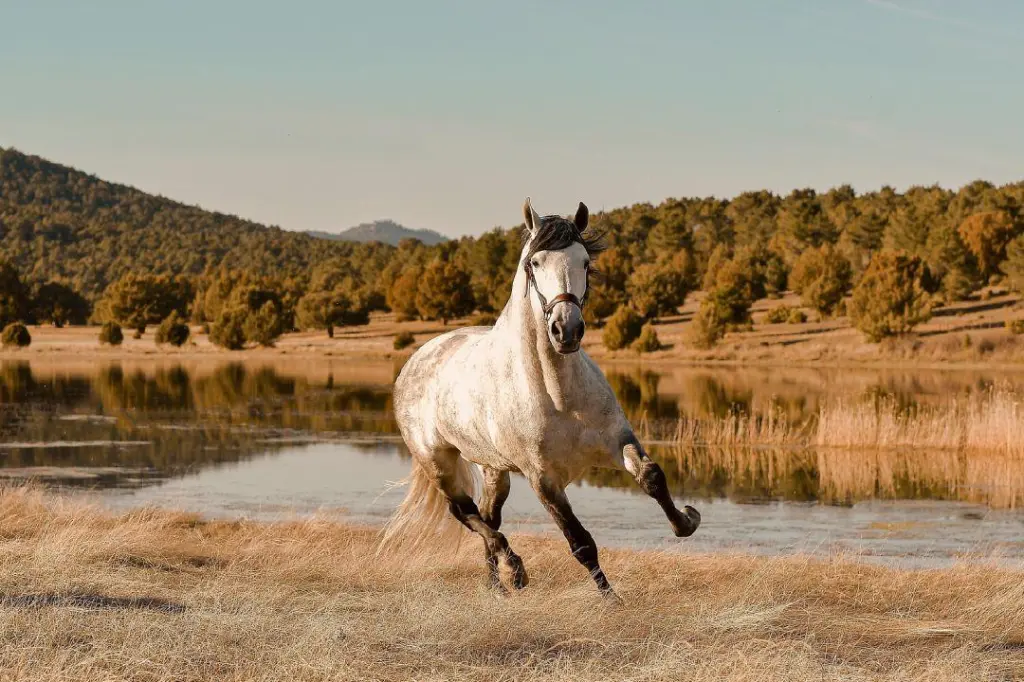
A pair of horses in the Okanagan have tested positive for equine herpesvirus, according to multiple veterinarians and riding clubs in the region.
On Saturday, Nov. 14, multiple organizations took to social media to post a disease alert issued by the B.C. Ministry of Agriculture and Food.
The alert states that two horses from a privately-owned herd in the Okanagan tested positive for equine herpesvirus 1 (EHV-1) after being brought in on Nov. 9.
“Clinical presentations and PCR testing and post-mortem findings were consistent with EHV-1 infection and PCR testing was positive for EHV-1,” the Ministry said in the letter posted to social media.
It added that the owners of the herd “are implementing voluntary movement restrictions as well as biosecurity measures under veterinary supervision.”
EHV-1 can cause respiratory disease, abortion and neurological disease, and is common amongst horses worldwide, the Ministry said.
“The virus is spread through horse-to-horse contact or through contaminated environment, clothing or equipment. The incubation period is typically four to six days but may be as short as 24 hours or as long as 14 days. After onset of illness, shedding typically lasts for seven to 10 days but can be much longer,” the letter reads.
After the alert, riding clubs in the Okanagan are taking precautions.
The Kelowna Riding Club, while still allowing members to use its facilities, is asking its users to “practice strict biosecurity measures to help protect the health and well-being of all horses in our community.”
The club requested that people do not bring their horses that are showing signs of illness, to avoid unnecessary contact between horses, not to share equipment, and to disinfect equipment and footwear before and after using the facility.
“Avoid visiting the facility if you have recently been in contact with sick horses or have travelled to other equine facilities where there may be an increased risk of exposure,” the club said. “Monitor your horse closely for any signs of illness following your visit.”
The Ministry recommended that horse owners be up to date with their animals’ vaccinations and to monitor for signs of EHV-1. It also said that event managers and trainers can issue temperature check protocols during events, and that horses showing temperatures above 38.6 C should be “isolated promptly.”
Black Press has reached out to the B.C. Ministry of Agriculture and Food for more information.