
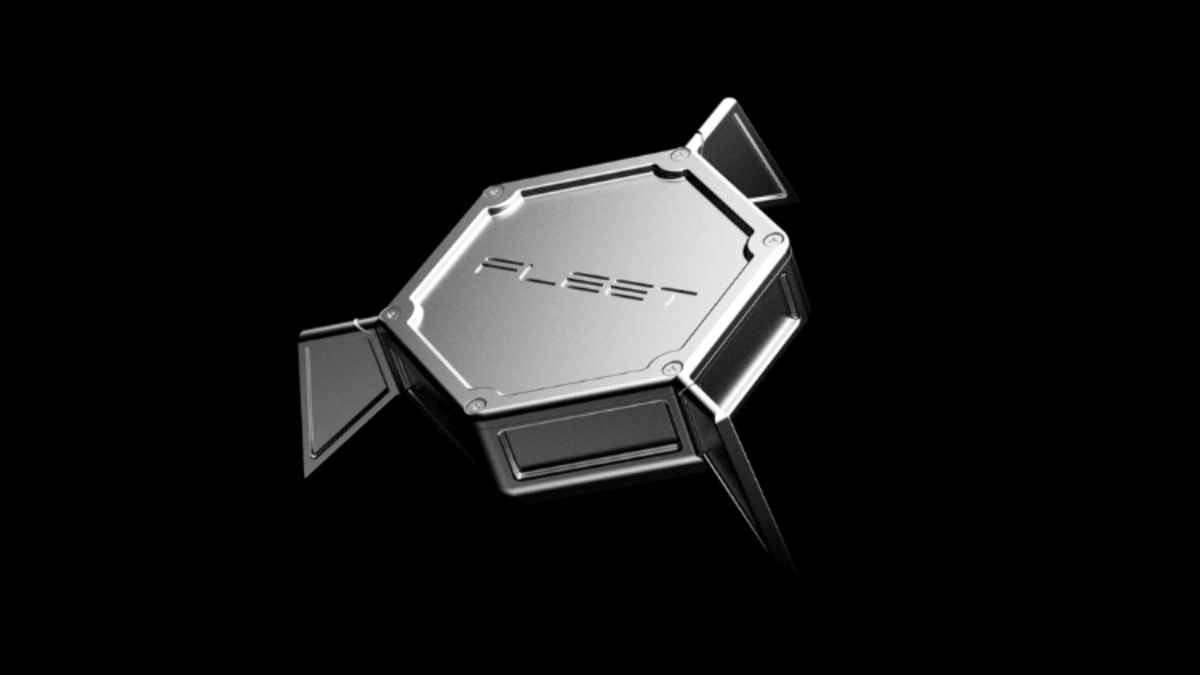
Fleet Space Technologies will pave the way for Australia to make a mark on the Moon as it builds the region’s first piece of technology to land on the lunar surface. This piece of technology, known as SPIDER (Seismic Payload for Interplanetary Discovery, Exploration and Research), will play a vital role in furthering human development of the lunar economy by helping us better understand the lunar surface.
Details On the SPIDER Project
With a variety of lunar missions planned for the near future, we need to grow our understanding of the lunar surface. The Moon has a different composition from Earth and moonquakes do not share many characteristics with earthquakes. Moonquakes can last much longer than earthquakes, for example.
SPIDER is slated to be launched to the Moon on the Firefly Aerospace Blue Ghost Mission 2 in 2026. This device will measure seismic activities on the lunar surface.
Speaking of her role in the development of this device, Laura O’Neil, program manager at Fleet Space Technologies, says, “It’s a privilege to lead this project through to completion and help deliver on such an ambitious and scientifically significant mission.”
What Is SPIDER, And What Role Will It Play On The Moon?
SPIDER will help record the natural seismic waves of the Moon’s subsurface. It’ll do this to help us better understand the lunar regolith’s geological properties and in particular find water ice deposits.
To do this, the Australian technology will rely on its Ambient Noise Tomography (ANT). This instrument will be responsible for collecting subsurface data during the search for water ice deposits.
It’ll pick up vibrations during seismic activities like moonquakes and meteorite impacts that’ll guide it in its search for water ice deposits. This will help guide future Moon exploration missions leading up to crewed missions planned for the future.