
The stake sale, which included slices of dozens of blue-chip funds, was planned before President Donald Trump began his campaign against elite universities. But it’s seen as an omen for schools facing federal funding cuts that their huge endowments will be tapped to backfill. Massive funds have been raised to capitalize on the brisk trade in fund stakes.
CalPERS’s haul included a big stake in crypto company Circle, held through a General Catalyst venture fund that Yale was selling, according to people familiar with the matter. Marketing documents circulated to buyers gave the fund’s value as of December 31, which didn’t account for Circle’s coming IPO, a major oversight. The June 5 listing and Circle’s subsequent 480% stock-price increase generated quick gains of more than $100 million for CalPERS, the people said.
That windfall contributed modestly but auspiciously to a 14.3% gain in CalPERS’ private-equity strategy for the year that ended June 30, according to results released Monday. As the largest US pension fund, CalPERS is closely watched by rivals and courted by money managers. And it’s in the middle of a major private-investing reboot after chronic underperformance and squeamishness over some job-killing buyouts — “private equity isn’t my favorite asset class,” one CalPERS board member said in 2020 — led to a pullback and the departures of two successive chief investment officers. One of them admitted that the fund’s “lost decade” had cost retirees as much as $18 billion.
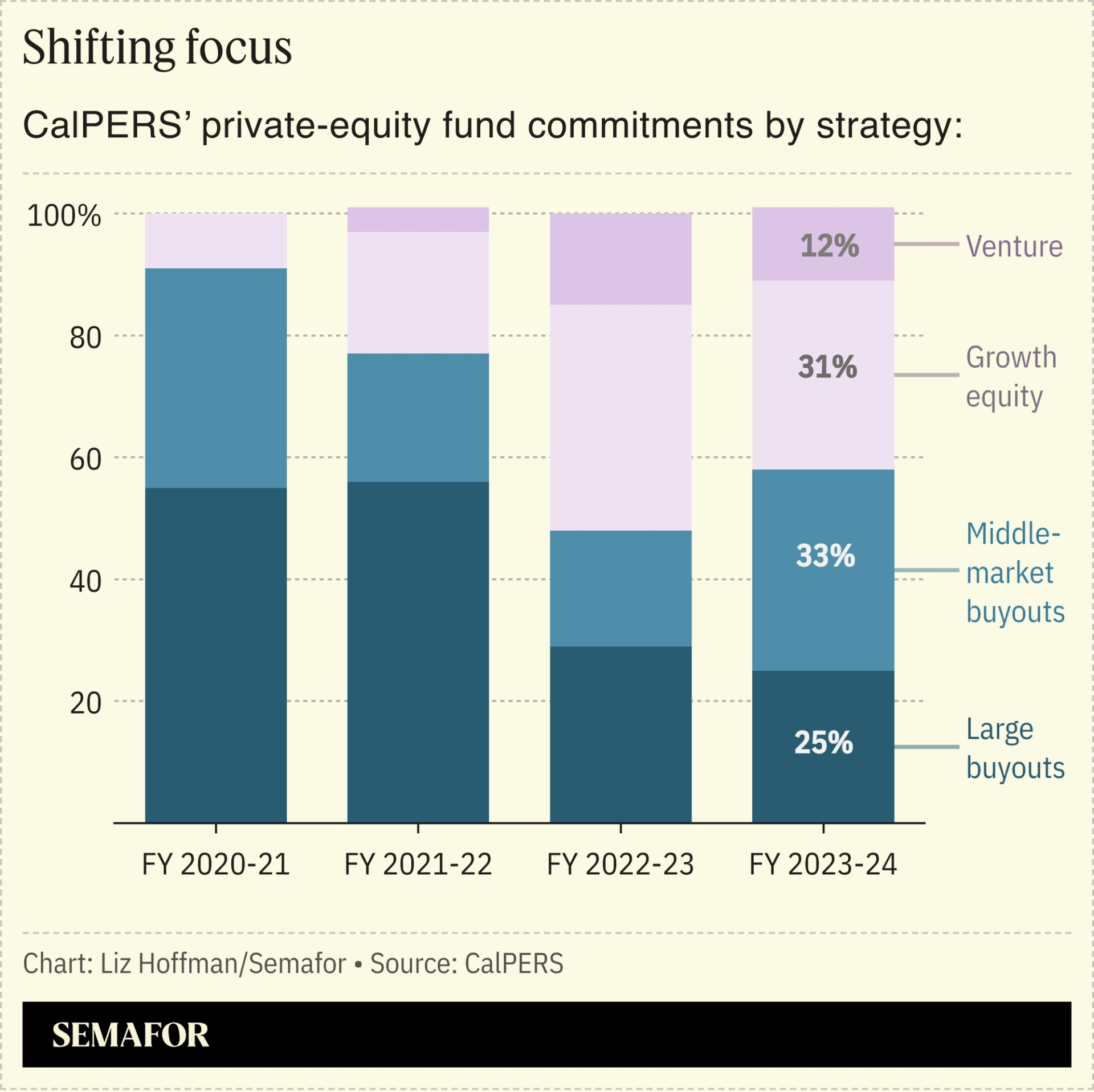
In 2021, CalPERS hired an outsider, Anton Orlich, who has invested quickly, shifted away from mega-buyout funds toward venture capital and growth equity, and muscled out other investors for special rights to invest directly alongside managers.
Yale didn’t respond to a request for comment. A CalPERS spokesman declined to comment.