
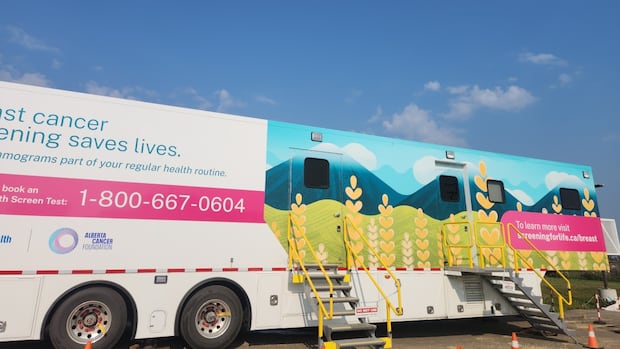
A mobile mammography service currently making the rounds throughout rural communities in northwestern Alberta is saving lives by making people more comfortable with getting tested, advocates say.
Barbara Goodswimmer told CBC News it was almost five years ago that the service played a profound role in her life.
“That’s what saved my life,” said Goodswimmer, whose Cree name is Waschascoos, meaning little muskrat. “It chokes me up.”
An elder of the Sturgeon Lake Cree Nation, the 68-year-old woman said she was diagnosed at the clinic with Stage 4 invasive ductal carcinoma, a type of breast cancer.
Goodswimmer underwent a total mastectomy and will celebrate her five-year anniversary of being cancer-free this December.
“If I didn’t decide to come … I wouldn’t be here today. So I’m very thankful,” she said.
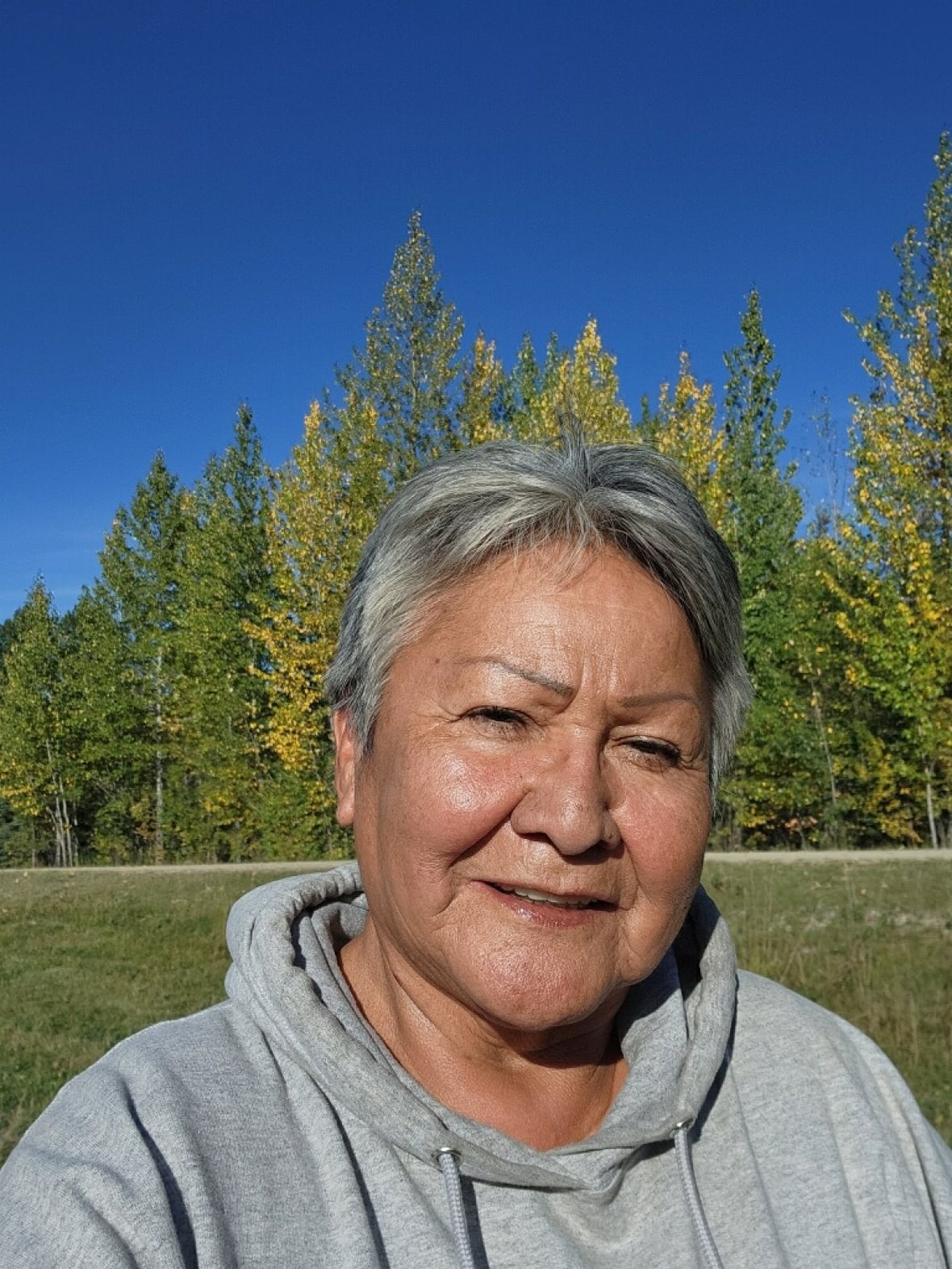 An undated photo of Barbara Goodswimmer. (Submitted by Barbara Goodswimmer)
The screen test program, run by Primary Care Alberta, provides breast cancer screening to people between the ages of 45 to 74.
It recently travelled to Sturgeon Lake Cree Nation and Valleyview, and will set up next week in northwest Alberta hamlet of Hythe.
‘It’s not a scary waiting room’
Goodswimmer said there are people in her community who have had negative or racist experiences when accessing the health-care system, and that many are also coping with historical trauma from residential schools.
She believes these factors all play significant roles in why some Indigenous women are hesitant to get screened. But Goodswimmer suggested the mobile clinic can help address these challenges.
“You were made to feel very comfortable,” she said of her own experience in the clinic.
“It’s all painted with flowers. It’s a cheery thing to look at. It’s not a scary waiting room.”
Goodswimmer noted that the mobile clinic can save some people from a longer trip to a city to get tested.
“It makes a big difference,” she said. “I know a lot of women who go to these mobile units … those are women who wouldn’t normally go to Grande Prairie to get this done. “
Awareness and education
Josie Nepinak, president of the Native Women’s Association of Canada, said the barriers to health care facing Indigenous people can increase the risk of a late diagnosis, causing a higher chance of poor outcomes for Indigenous women, especially in remote parts of the country.
“A big part of this involves awareness and education around breast and health care,” said Nepinak, who is Anishinaabe from Treaty 4 territory in northwestern Manitoba.
“In the rural and remote communities, quite often that is not a priority in some of the health-care providers or practitioners…Because quite often, it might be more crisis management in health-care as opposed to prevention.”
Nepinak said a trauma-informed, culturally safe program with community educators is necessary to take the “unknown” out of the experience.
She pointed out that there are often language barriers for Indigenous communities where English is a second language.
“I see it as multi-generational,” Nepinak said. “If you can save one woman with breast exams, you will pass that knowledge and that awareness to your children.
“I think there’s still that fear of the medical system, fear of the unknown around what this machine is or what it’s going to do to my body — even of the person who actually works the machine. [Are they going] to be kind, to be thoughtful, to be trauma-informed?”
Nepinak said there is added stigma for residential school survivors trying to navigate the health-care system. She, her mother and her grandmother are all residential school survivors.
“My mother never got a breast mammogram, that I am aware of, even though we told her to many times,” she said. “She didn’t have breast cancer but she was still so afraid and ashamed of her body.
“Clinics must be trauma-informed and culturally safe. This is in my community. I recognize people. I see people who look like me. I see people who speak the same language. That is so important.”
Since her bout with cancer, Goodswimmer is encouraging other Indigenous women who might be apprehensive about the exam to get tested.
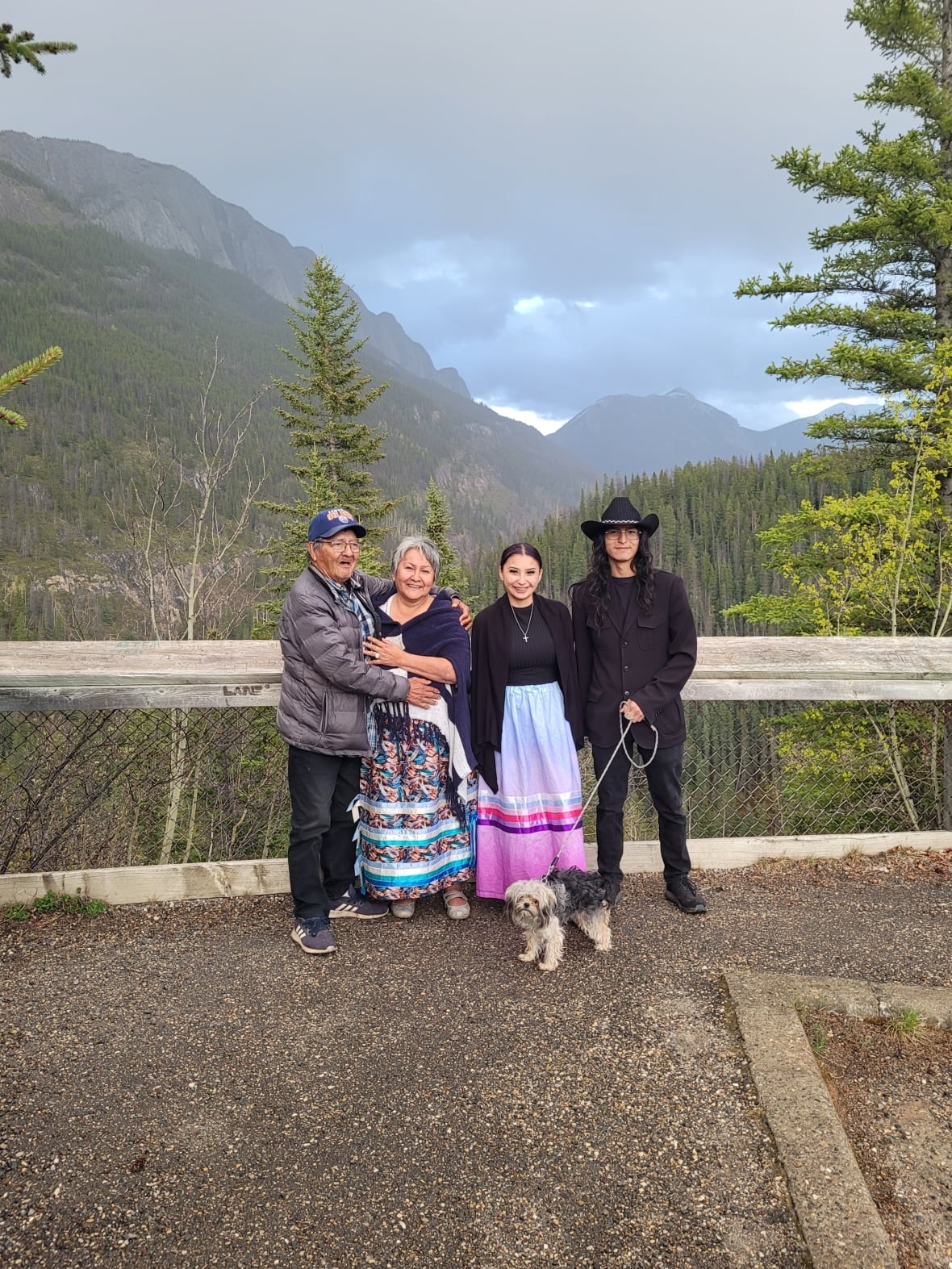 Barbara Goodswimmer (centre-left) is seen spending time with her grandchildren as she approaches her five-year anniversary of being cancer-free. (Submitted by Barbara Goodswimmer)
“It’s peace of mind, and saving your life,” she said. “That’s the bottom line. It’s going to save your life.”
“I’m one of those people. If I didn’t get it done, I wouldn’t be here — and I get to be. I get to love up my family. So for me, it offers hope.”