
If you want to see a bear in the wild, you might not need to look too far. Three B.C. spots just landed on a new list of the best places in Canada for bear sightings.
The Times of India recently released its roundup of national parks and protected areas where black and grizzly bears are most commonly spotted.
While Alberta’s Banff took the top spot, British Columbia wasn’t far behind.
Pacific Rim National Park Reserve was highlighted for its coastal rainforests and rugged beaches, where black bears can often be seen foraging along shorelines.
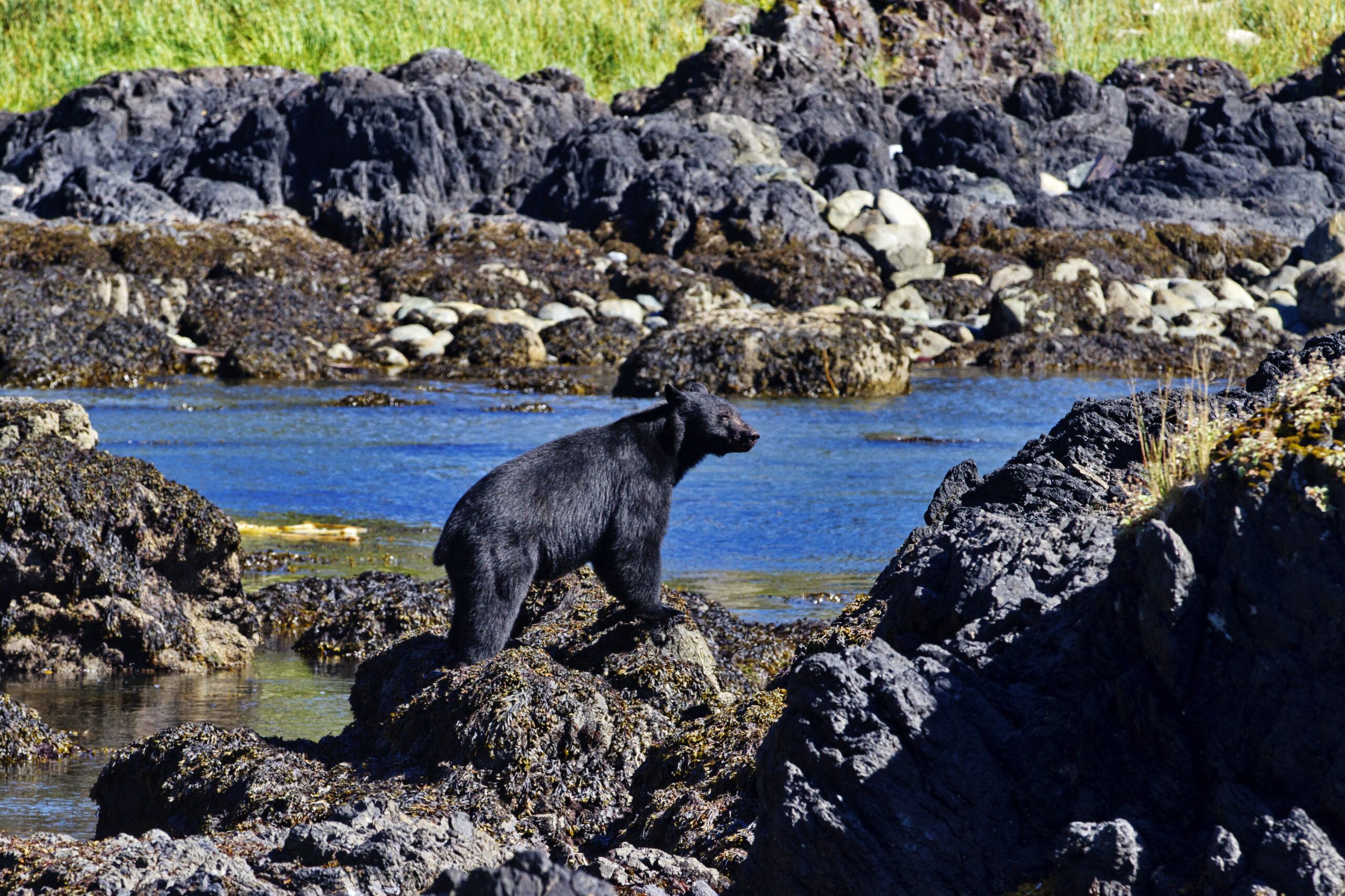
A black bear stands on coastal rocks at Big Beach in Ucluelet, B.C., one of the province’s top spots for bear sightings. (Florence-Joseph McGinn/Shutterstock)
Stretching along the west coast of Vancouver Island in the traditional territories of the Nuu-chah-nulth First Nations, the park features three distinct areas: the Long Beach Unit, known for storm watching and kilometres of sandy shoreline; the backcountry West Coast Trail, famous for its rugged hiking; and the Broken Group Islands, a kayaking haven in Barkley Sound.
It’s one of B.C.’s most popular destinations, drawing visitors for everything from beach walks to spotting wildlife in its lush, temperate rainforest.
The world-renowned Great Bear Rainforest also made the cut, thanks to its thriving population of grizzlies, and its claim to fame as home to the rare white Kermode, or “spirit bear.”
Spanning 6.4 million hectares across B.C.’s north and central coast, the rainforest is considered a global ecological treasure.
It is managed through landmark agreements between First Nations, the Province of B.C., environmental groups, and industry, which ensure that 85 per cent of its old-growth forests remain protected.
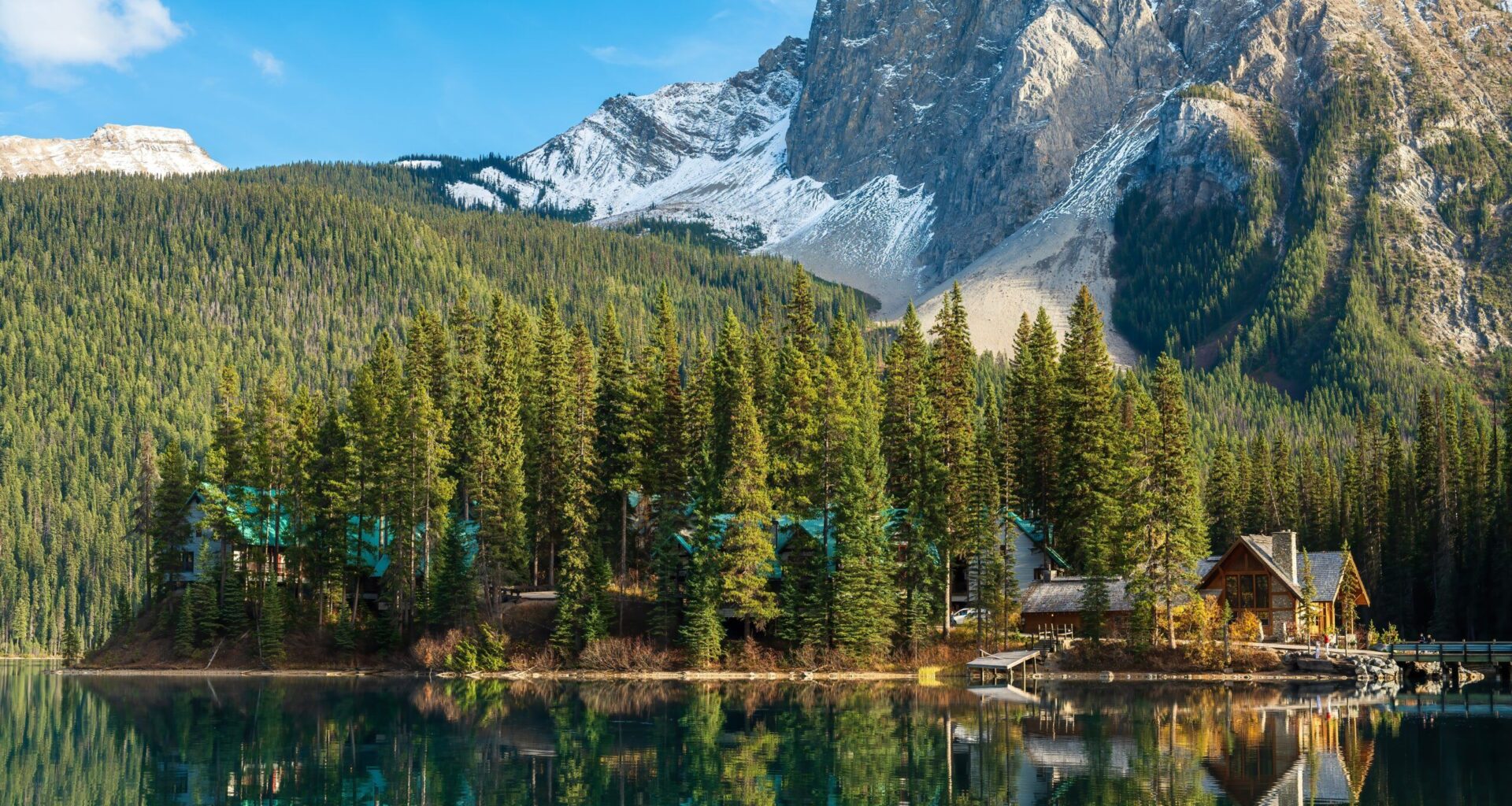
Rounding out the B.C. picks, Yoho National Park in the Rockies is a popular spot to encounter both black bears and grizzlies while hiking through its alpine valleys.

A grizzly bear feeds in a meadow of dandelions in Yoho National Park, B.C., where the species is listed as one of “special concern” under Canada’s Species at Risk Act. (Parks Canada)
Known for emerald lakes, powerful waterfalls, and towering peaks, it’s also grizzly country. Parks Canada notes that grizzlies here can weigh up to 600 pounds and live up to 30 years, feeding mostly on plants but also on prey animals when available.
In spring, they’re often seen in valley bottoms feeding on dandelions before moving to alpine areas in summer and back down for berries in the fall.
Other parks on the list include Alberta’s Waterton and Jasper, Manitoba’s Riding Mountain, and Yukon’s Kluane.
The full list is as follows;
Banff National Park, Alta.
Pacific Rim National Park, B.C.
Waterton National Park, Alta.
Great Bear Rainforest, B.C.
Riding Mountain National Park, Man.
Yoho National Park, B.C.
Kluane National Park, Yukon
Jasper National Park, Alta.
The full list was published by The Times of India.
Staying safe in bear country
B.C.’s parks are prime bear habitat, and Parks Canada says the best way to stay safe is to avoid an encounter altogether.
Bears often travel the same trails as people, so making noise, talking loudly, clapping, or calling out, helps alert them to your presence.
Hiking in groups, keeping dogs leashed, and sticking to marked trails during daylight hours also lowers the risk.
T. Schneider/Shutterstock
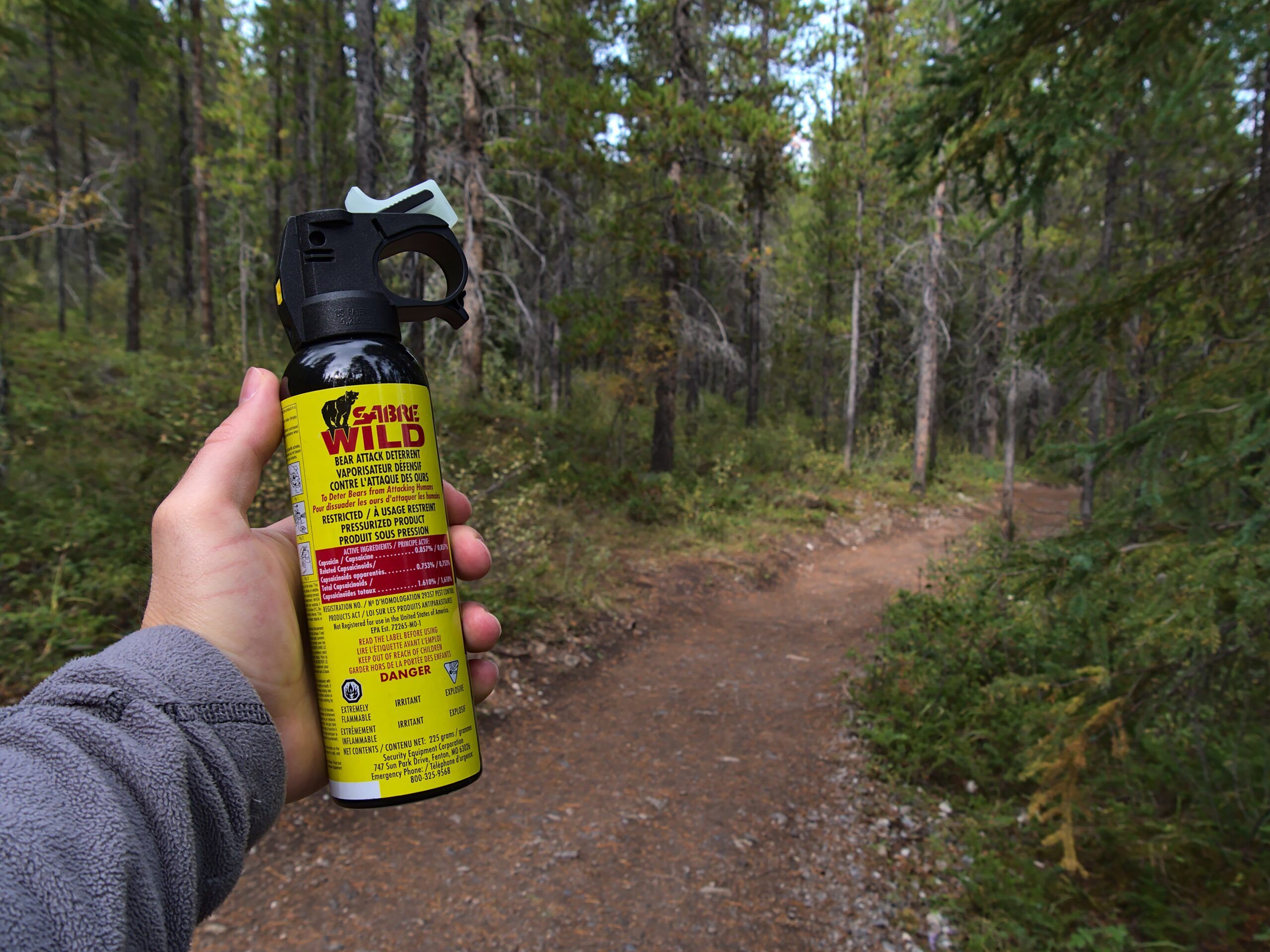
Parks Canada recommends carrying bear spray and knowing how to use it. If you do see a bear, stay calm, speak firmly, and back away slowly, never run.
For campers, keeping a “bare” site is critical: store food and garbage properly and never leave attractants in your tent.
As Parks Canada puts it, the bottom line is, give bears the space they need to thrive.
Want to stay on top of all things Vancouver? Follow us on X