
From China and India to Europe and Africa, solar power is in the process of radically transforming the global energy system. It’s bringing cheap (and ever-cheaper) energy to the places that need it most, allowing countries that have traditionally relied on imported oil and gas to imagine a future where they don’t have to anymore. Why? Well, as political strategist James Carville might say, it’s the economics, stupid.
In North America, though, the politics are getting the last word right now. Climate advocates are contending with an American president who describes climate science as a “scam” and continues to treat renewable energy as a bigger threat to his country’s security than Russia or China. But they’re also faced with a well-meaning and environmentally literate Canadian prime minister who keeps removing or diluting key pieces of their own country’s climate policy architecture in order to stave off political defeat. In both cases, the absence of a viable and vocal political constituency supporting low-carbon technology is making their respective jobs easier.
That’s why, although economists have largely dominated the conversation about climate policy in Canada over the last decade or so, it’s time — past time, really — for the political scientists to take the reins. The conversation around rooftop solar is a perfect example of why, and how, this shift needs to happen.
Economists will tell you rooftop solar isn’t competitive in Canada, and they’d be right. According to the 2024 edition of Lazard’s Levelized Cost of Energy Analysis — the most popular way to compare the cost of different energy technologies — the most expensive utility-scale solar or onshore wind project is still cheaper than the cheapest rooftop setup. “Both the capital costs and the operating costs of rooftop solar on small buildings like residential homes are just not competitive with large-scale solar,” climate scientist and entrepreneur David Keith said in a recent podcast. “People should be free to do it but I don’t think we should give them special incentives.”
This is both technically correct and dangerously wrong, since it misunderstands the real obstacle standing in the way of more widespread adoption of low-carbon technology. Most people barely understand where their electricity comes from, never mind the impact that competing sources and technologies can have on their monthly bills. That’s especially true when you have politicians and pundits deliberately muddying these already cloudy waters in the service of incumbent industries and their interests. Utility-scale solar may be cheaper, but it does almost nothing to advance the popularity of the underlying technology or increase the size of the political constituency supporting it.
I am reminded here, as I have been before when writing about climate policy, of Niccolò Machiavelli’s theory of change. “It ought to be remembered that there is nothing more difficult to take in hand, more perilous to conduct, or more uncertain in its success, than to take the lead in the introduction of a new order of things,” he wrote. “Because the innovator has for enemies all those who have done well under the old conditions, and lukewarm defenders in those who may do well under the new.”
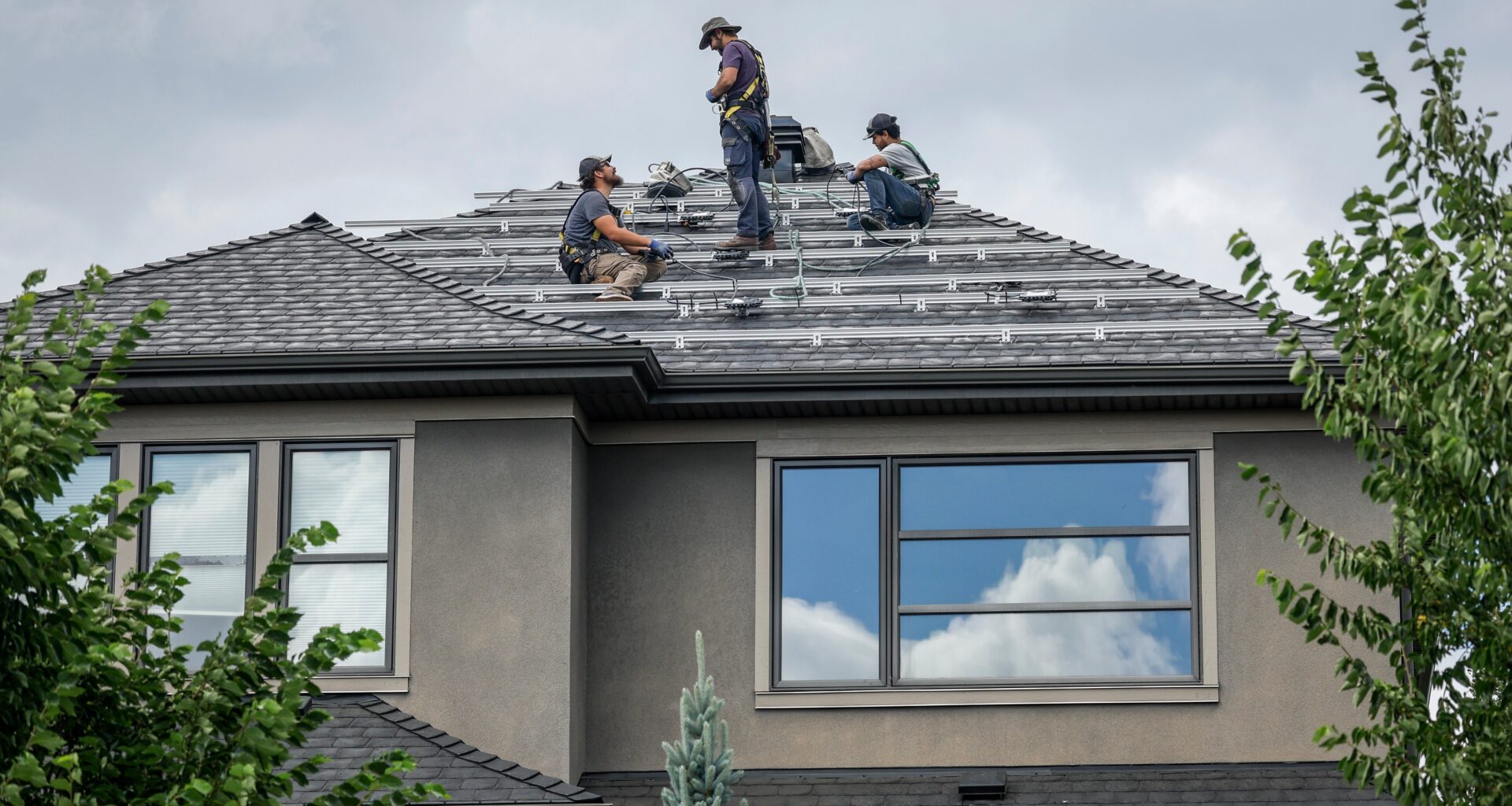
Given the inherent complexity of (and in) our electricity system, it’s asking a lot of people to understand the relationship between their electricity bill and the cheaper electrons being generated by a solar array located many kilometres away from their home or business. But if they have a solar array on their roof, and can see the positive impact it makes every month? Well, now you have someone who might advocate for solar when the conversation comes up next — and push back against bogus claims about it from fossil-fueled politicians.
Rooftop solar is inefficient and expensive compared to to utility-scale renewable energy. Here’s why progressive politicians should aggressively subsidize it — and other consumer-facing clean technologies — anyways.
Yes, it’s true that subsidies for rooftop solar arrays, electric vehicles, and heat pumps aren’t the most cost-effective way to deliver emissions reductions. But if there’s one lesson progressive politicians should take to heart from the last decade it’s that the durability of their climate policies is more important — way, way more important — than their economic efficiency. They have to constantly be expanding the universe of people who have personally benefited from said policies, not just appealing to the tiny handful of environmental economists in the country. At this point, the cost of the emissions reductions is far less important than the cost of failing to deliver them.
This is where the Carney government should be focusing its efforts. In addition to strengthening the industrial carbon price, it has to create a connection for Canadians between climate policy and their own self-interest. By stimulating and supporting demand for clean technologies that sit on people’s rooftops or in their driveways, the federal Liberals can create a larger constituency for climate policy than they ever did with the carbon tax — rebates and all. That constituency will cut across rigid partisan lines, and its existence will make it more difficult for any future government to roll back the policies.
It won’t guarantee the survival of climate-friendly policies, if only because the antipathy towards them among Conservatives is so high right now. But at least it gives them a fighting chance — and, more importantly, a community of self-interested voters that will actually fight for them.