
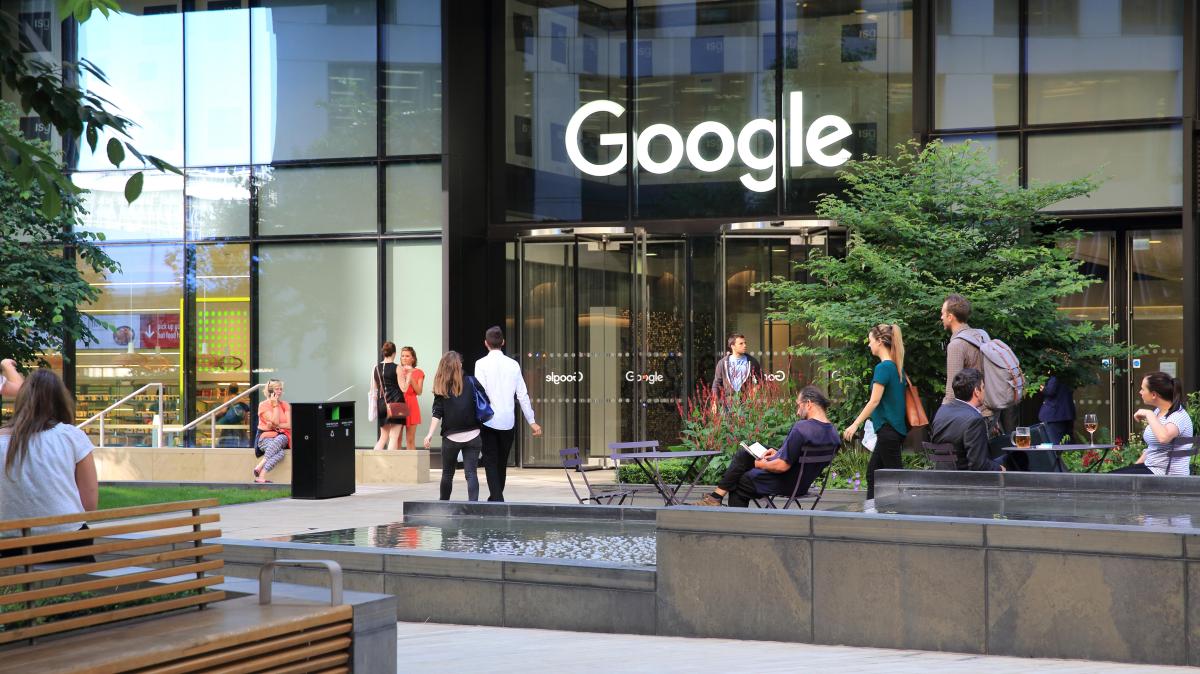
Google may be forced to overhaul how it runs its search operations in the UK after becoming the first business to come under the scope of tough new competition rules aimed at curbing the dominance of some of the world’s biggest technology companies.
After a nine-month investigation, the British competition regulator ruled on Friday that Google was so dominant in search and advertising that it has been classed as having “strategic market status”.
Google controls more than 90 per cent of UK web searches, the Competition and Markets Authority found, which gave it huge long-term market power.
• UK is falling behind in the use of AI, says Google chief
As a result, Google Search and Google Ads, which are paid-for adverts that show up on Google search result pages, will be subject to new digital market laws which came into force in January to keep the biggest tech companies in check.
While there are no immediate changes planned, the regulator will consult on possible actions later this year.
Google’s Gemini AI assistant, its chatbot, is not included in this ruling, but the authority said it would monitor this as the market changes. However, artificial intelligence-based search features such as “AI Overviews” and “AI Mode” are covered by the new rules.
In response, Google claimed the ruling could result in lower-quality services for consumers, higher prices and less search traffic to businesses.
Oliver Bethell, senior competition director at Google, said the plans for interventions “would inhibit UK innovation and growth, potentially slowing product launches at a time of profound AI-based innovation. Others pose direct harm to businesses, with some warning that they may be forced to raise prices for customers.”
The company pointed to the changes brought about by the Digital Markets Act in Europe which, it said, had led to businesses such as hotels and airlines reporting losing up to 30 per cent of their visitors from Google.
Owen Meredith, chief executive of the News Media Association, which represents the UK’s national, regional, and local news publishers, welcomed it as “a turning point in the fight for a fair and competitive digital economy in the UK”, adding that “Google has wielded its dominance to the detriment of users and publishers”.
Publishers argue that their traffic has dropped as a result of Google’s AI overviews, which gives users a summary of search findings, without them having to click through on to their sites.
• Competition watchdog ‘too slow to take on big tech’
“The CMA must now push ahead with remedies and put in place a robust set of conduct requirements to ensure publishers have genuine control over when and how their valuable content is used. That means real transparency, meaningful consent and fair payment,” Meredith said.
Google Search has also faced scrutiny in the US, where a judge recently ruled that it would not have to sell its Chrome browser but had to share information with competitors.
The CMA also has a continuing investigation into Apple and Google’s mobile operating systems and app stores which could also result in Google’s Android system receiving a strategic market status designation, with a result due in October.
The CMA ruling is just the latest example of the regulator clashing with the biggest tech companies. The relationship between the authority and Silicon Valley has been contentious following its highly publicised showdown with Microsoft over the blocking of its $75 billion Activision acquisition. Concerns have been expressed that the CMA has been perceived as anti-business.
David Sacks, the White House AI and crypto tsar, described the UK’s competition watchdog last year as like an aggressive “chihuahua”, saying its actions would deter American businesses from moving to London.

David Sacks, the White House’s AI tsar, left
BRENDAN SMIALOWSKI/AFP/GETTY IMAGES
In January the UK government forced out the chairman of the CMA, Marcus Bokkerink, as part of a broader push for regulators across various industries to focus on growth. Doug Gurr, a former Amazon UK executive, was appointed interim chairman.
Rachel Reeves, the chancellor, said at the time that Bokkerink believed he needed to “make way for somebody who does share the [government’s] mission”.
The ruling comes just a few weeks after Google announced it was investing £5 billion in the UK over the next two years.
Will Hayter, executive director for digital markets at the CMA, said: “By promoting competition in digital markets like search and search advertising we can unlock opportunities for businesses big and small to support innovation and growth, driving investment across the UK economy.”