
Canada’s history can be traced along its corridors. The rail lines that stitched the country together, the pipelines that carried oil to distant markets, the highways and transmission towers that reshaped the land — all were called “nation-building.”
But for Indigenous peoples, those same projects told another story — corridors of dispossession, carved through their territories without consent.
Now, a new wave of corridors is on the horizon. Arctic ports and shipping routes. Roads and power lines to unlock critical minerals, energy pipelines and LNG facilities.
The question before us is whether these new corridors will echo the failures of the past or chart a new path — one that is Indigenous-led. The courts have already made clear that projects cannot proceed without Indigenous consultation and accommodation. Investors know this. Governments know this.
Certainty, the foundation of business and public trust comes only when Indigenous Nations are decision-makers at the centre of these projects.
Consider the Arctic corridor proposals. The dream of connecting Canada’s northern riches to global markets is at least a century old. But who actually lives on those lands, has a deep understanding and connection to their ecologies, and shoulders the risks of extraction? Not the southern politicians or developers drawing straight lines on maps. It is Inuit, Dene, Cree and other communities.
An Arctic corridor that is not Indigenous-led is fantasy. An Arctic corridor that is Indigenous-owned is strategy.
The same logic applies to energy. The debate about east-west pipelines has calcified into binary slogans: “get resources to tidewater” versus “leave it in the ground.”
Both miss the obvious fact — Indigenous Nations straddle every proposed route. They also already own or operate sophisticated businesses — railroads in Quebec, transmission lines in Ontario, pipelines in Alberta and LNG facilities in British Columbia. If you give them not just a seat at the table but ownership of the table itself, suddenly the conversation changes.
Projects are designed with environmental safeguards rooted in traditional knowledge. Revenue begins to circulate in communities that have been cut out of mainstream prosperity for generations. And Canadians get what they claim to want — predictable, sustainable development.
This shift is already happening. The Rapid Lynx Telecommunications backbone network is being built in Ontario’s Far North and is intended to be 100 per cent owned, controlled and operated by First Nations. The Port of Churchill has reopened under Indigenous ownership, OneNorth, redefining a struggling asset as both an economic and sovereignty story. Cedar LNG in British Columbia, majority-owned by the Haisla Nation, is moving forward because Indigenous equity made it possible.
Ottawa is beginning to recognize the same reality. The federal government’s new Major Projects Office has identified nationally significant developments — Red Chris with the Tahltan Nation, McIlvenna Bay with the Peter Ballantyne Cree Nation and Crawford with Taykwa Tagamou. For the first time, Canada is signalling that Indigenous partnership is not optional, but the foundation of future corridors.
Contrary to some critics, Indigenous ownership doesn’t stall progress — it secures it. Projects with Indigenous leadership advance more predictably, face fewer legal challenges and demonstrate greater longevity. Consent is not compliance, it is a core design.
Corridors built against it fail. Corridors built with it endure.
For most of its history, Canada treated Indigenous peoples as obstacles to progress. The irony is that now, only Indigenous leadership can make progress possible.
Every kilometre of road, rail, transmission line and pipeline that Canada will ever build runs through Indigenous land. What comes next will decide whether our corridors repeat the past or set a new course.
If Canada is serious about building the infrastructure of its future, our governments must ensure Indigenous Nations are the builders, owners and leaders of the corridors that will carry us into the next century.
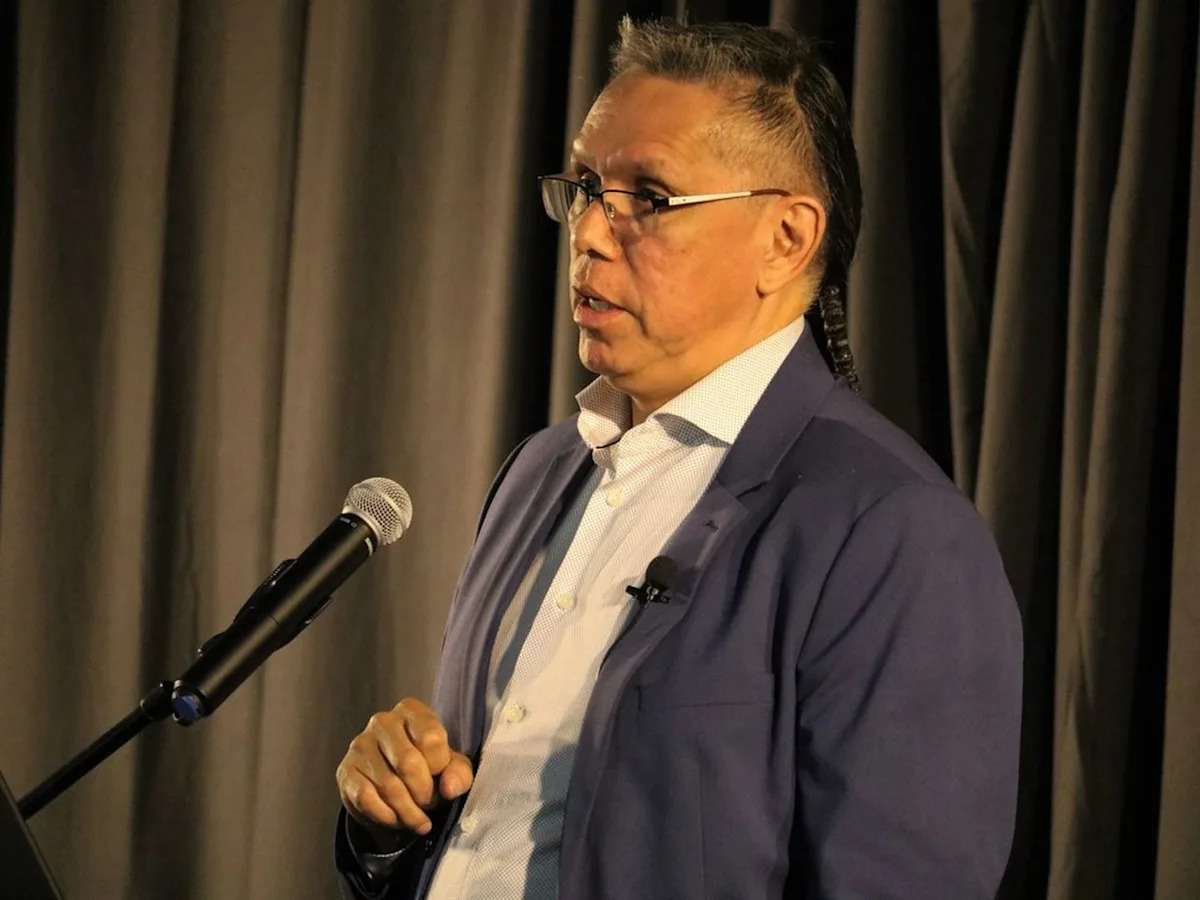
Michael Fox is the president and CEO of Indigenous Community Engagement and a member of Weenusk First Nation.