
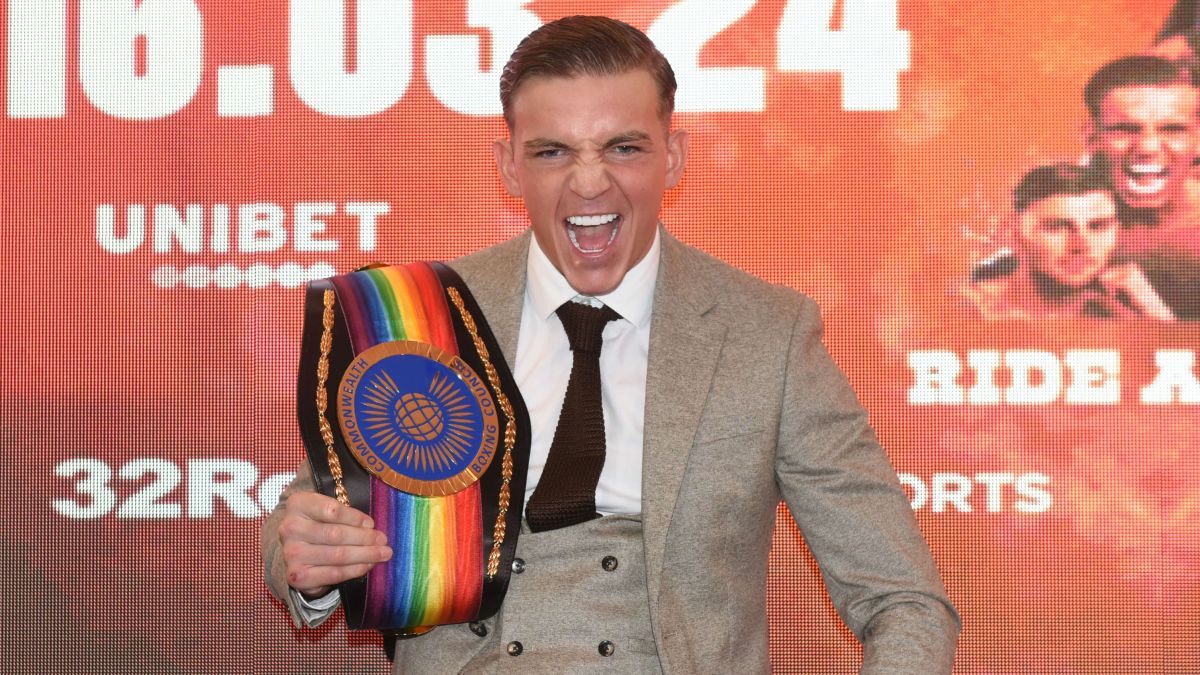
A leading British boxer is hoping to escape a doping ban due to alleged errors in the way his blood and urine samples were handled.
Dennis McCann, 24, an unbeaten super-bantamweight from London, had held the European title and was on the brink of challenging for world honours when the Voluntary Anti-Doping Association (Vada) informed him in December that he had tested positive for three kinds of steroid.
McCann, who had been due to fight on Tyson Fury’s undercard in Saudi Arabia later that month, subsequently had his licence suspended by the British Boxing Board of Control (BBBofC).
The boxer, who denies knowingly taking performance-enhancing drugs, was charged by UK Anti-Doping (Ukad) on June 16, but an administrative dispute has become a key part of his defence.
Vada, the independent anti-doping body that is often employed to carry out extra testing for high-profile fights, collected blood and urine samples from McCann in Liverpool at 8.32am on November 30. However, the chain of custody records relating to his sample show that McCann’s test was entered a day earlier on November 29.
The transfer to courier by the doping control officer was listed as 9.15am on December 2, but a receipt from the delivery company DHL shows the package was collected at 12.50pm the previous day.
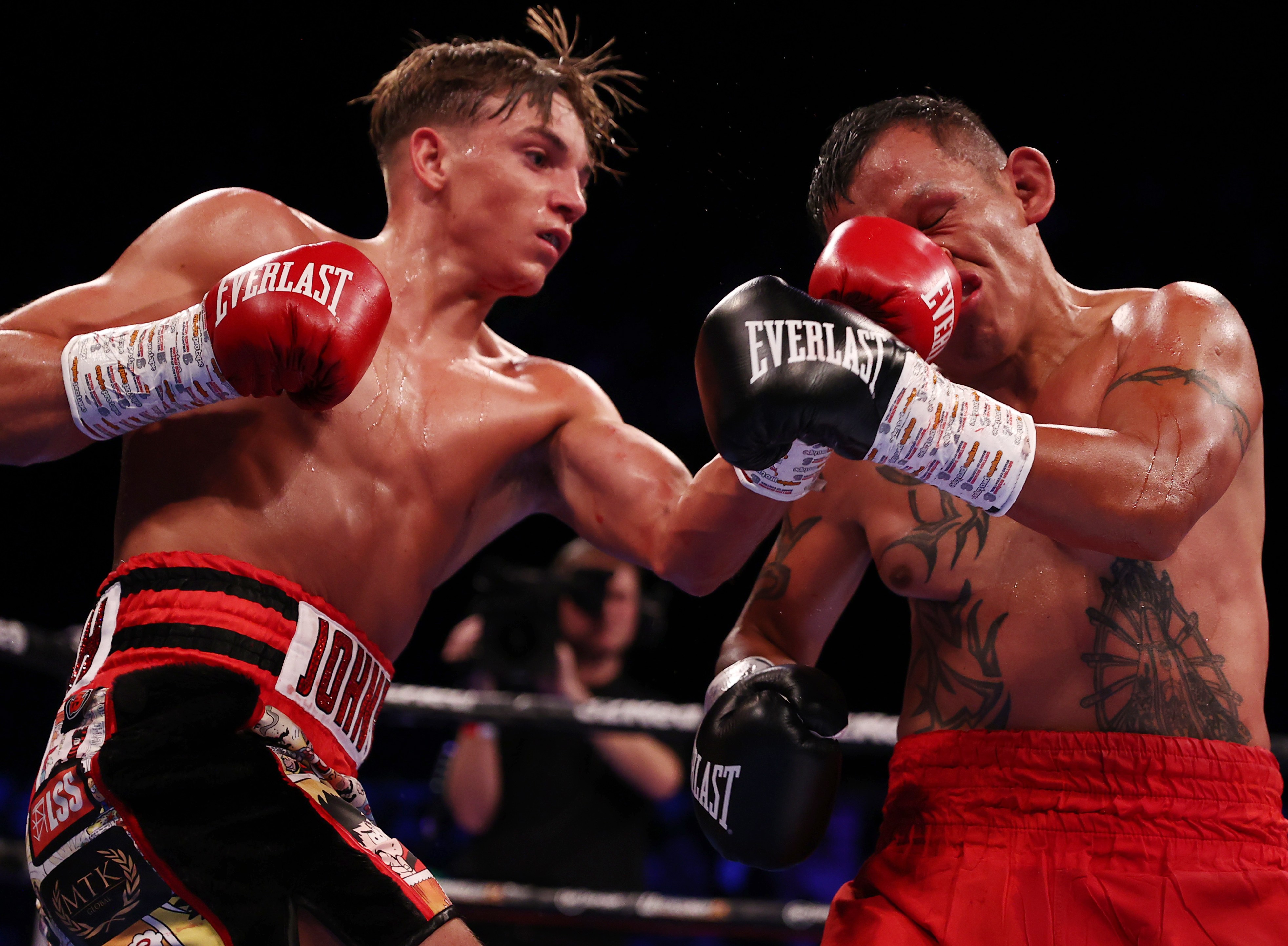
McCann is undefeated in 17 professional fights since 2019
RICHARD PELHAM/THE SUN
A DHL waybill also states that a total of five blood samples and seven urine samples were contained in the package sent by the doping control officer. However, a DHL Medical Express lab receipt records that five blood samples and 16 urine samples were received on December 4.
McCann’s legal team are expected to argue that the discrepancy over the dates fundamentally compromises the validity of McCann’s samples.
Clearidium, a leading anti-doping test provider contracted by Vada, said it had reviewed the full digital audit trail and supporting documentation and concluded: “There is no evidence of mishandling or procedural failure. The perceived discrepancies are explainable through standard operational practices created by Wada [the World Anti-Doping Agency] and digital traceability. The integrity of the sample and the change of custody is intact, and there is no legal basis to dispute the result.”
It is understood the tracking data for the sample began on November 29 because the doping control officer was on a multi-athlete testing mission that began the previous evening in the UK, and the additional urine samples related to the fact the shipment also included tests carried out at a boxing event two days earlier in Qatar.
McCann’s legal team are also expected to argue that Vada passed on information about his test results to certain parties without obtaining the appropriate consent.
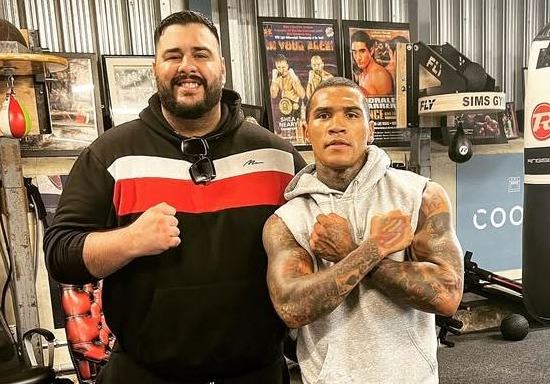
Dr Sajjad, left, has listed Benn among his clients
In a statement, Vada said: “Mr McCann submitted the required forms for enrolment in the Vada program; received documentation from Vada regarding who was to receive his results; executed the Doping Control Form at the time of sample collection; and willingly submitted to the collection of his biological specimens.
“Just as Vada reported Mr McCann’s prior negative results to the appropriate authorities, to which he had no complaint, Vada reported his adverse results to the same appropriate authorities. Anti-doping results are released to the appropriate organisations per Vada policy.”
Doping cases have become increasingly legally complex. Conor Benn twice tested positive for clomifene in 2022 but he was eventually cleared to fight again in the UK two years later after an independent national anti-doping panel lifted his suspension in November 2024 because it was “not comfortably satisfied” that Ukad had proved Benn had committed an anti-doping rule violation.
McCann has never previously failed a drugs test, and was tested and returned negative samples three times in about seven weeks prior to his alleged positive sample for drostanolone, trenbolone and 19-norandrosterone.
In March, The Sunday Times revealed that since August 2024 the General Medical Council (GMC) has been investigating Dr Usman Sajjad, who claimed to have been working with McCann in a since-deleted Instagram post in the lead-up to his cancelled bout.
Dr Sajjad, who listed Benn among his clients at the time of the boxer’s second positive test in 2022, denied being involved in the supply of performance-enhancing drugs. It is understood McCann visited the GP only once, after hurting a hand in a sparring session in Liverpool, and had no knowledge of the GMC investigation.
A spokesman for McCann said: “Dennis categorically denies ever knowingly using any performance-enhancing substance. In the lead-up to [his bout on December 21, 2024] he participated in multiple Vada tests which all returned negative results. He has never previously failed a drug test. Dennis continues to uphold the values of integrity and fair competition in sport. He is co-operating fully with the relevant authorities and will not be making any further comments on this matter at this time.”
Ukad and the BBBofC declined to comment due to the case’s active status.