
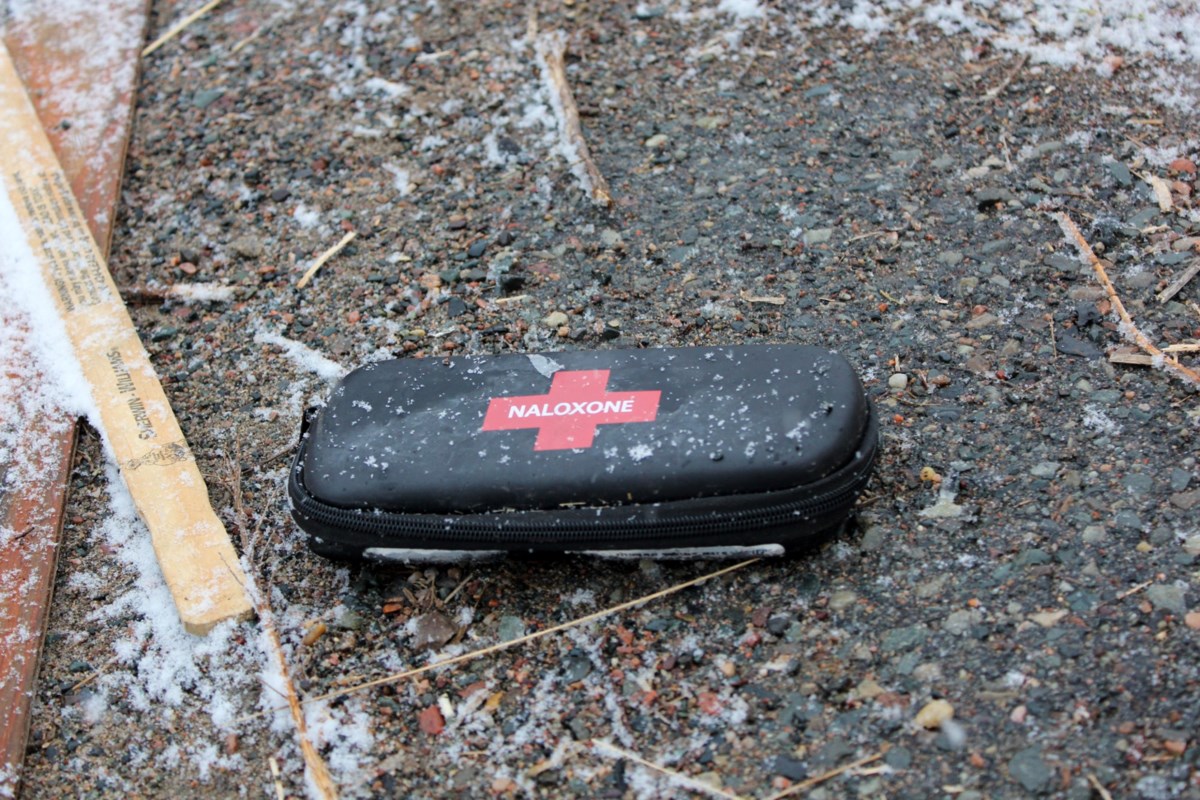
Official opposition health care critics say government move to shut down supervised consumption and treatment sites is leading to a big increase in overdoses and deaths
Opposition New Democrats said Ontario is failing in its approach to treating people with serious opioid addictions.
Hamilton Centre MPP Dr. Robin Lennox, the NDP opposition critic for mental health and Addictions, and Nickel Belt MPP France Gélinas, the opposition critic for health, said they are speaking out after new reports of a devastating 288-per-cent increase in overdoses at drop-in centres since the Ford government shut down consumption and treatment sites (CTS).
This is based on data collected by the Toronto Drop-In Network (TDIN), saying overdoses at its member sites are up by 288 per cent in the month of June.
“Overdoses are rising sharply in the absence of life-saving supervised consumption services,” said Lennox.
“Drop-in programs are doing everything they can, but they were never meant to take the place of overdose prevention services. And while the Ford government dismantled CTSs, what was put in place to supposedly replace them — HART hubs — remain incomplete and unable to provide the services that people need.”
Gélinas remarked that overdoses were happening too often in the Sudbury area.
“In my community, we lose two to three people every week to overdoses — these are our mothers, brothers, daughters, neighbours and friends,” said Gélinas.
“This is not just a social issue; this is a public health emergency. These sites provide life-saving services and treatments. Substance use must be recognized and treated as a healthcare crisis that requires a healthcare response, grounded in medical evidence, coordinated care, and empathy.”
Gélinas added “this government is failing people on every single front. Whether that be prevention, treatment, and timely emergency response, they are failing the people of the province.”
Just because someone survives an overdose doesn’t mean that person is fine, Lennox said.
“Even when someone survives an overdose, we’re seeing serious neurological complications when help comes too late,” said Lennox.
“We know that even non-fatal overdoses can cause serious disability, and are associated with an increased risk of death from subsequent overdose. We need to be treating every overdose as seriously as we treat heart attacks, and that starts with prevention using evidence-based harm reduction practices”.