

Android is now over fifteen years old, and in that time, some truly great apps have come and gone. Let’s take a moment to honor a few of our fallen brethren who truly did serve us well.
DashClock
Some widgets work best on your home screen. Some are of better use on your lock screen, where you can see certain information without unlocking your phone. Both types of widgets have languished a bit, but the latter especially. Long before lock screen widgets started their recent comeback, there was an app called DashClock that showed us how useful these widgets could be.
Lock screen widgets existed before DashClock, but they still had a long way to go. DashClock introduced widgets that looked great on your sleeping phone. The weather could be convened by a tiny monochromatic icon. The number of messages in your inbox popped up next to a little envelope. You could get detailed information about your battery health. Some of these widgets are available in modern versions of Android, with One UI in particular letting you go wild. But on many phones, there’s a giant hole that Dash a clock once filled.
We covered DashClock ourselves back in the day, but we can thank our sister site PocketNow for the following trip down memory lane.
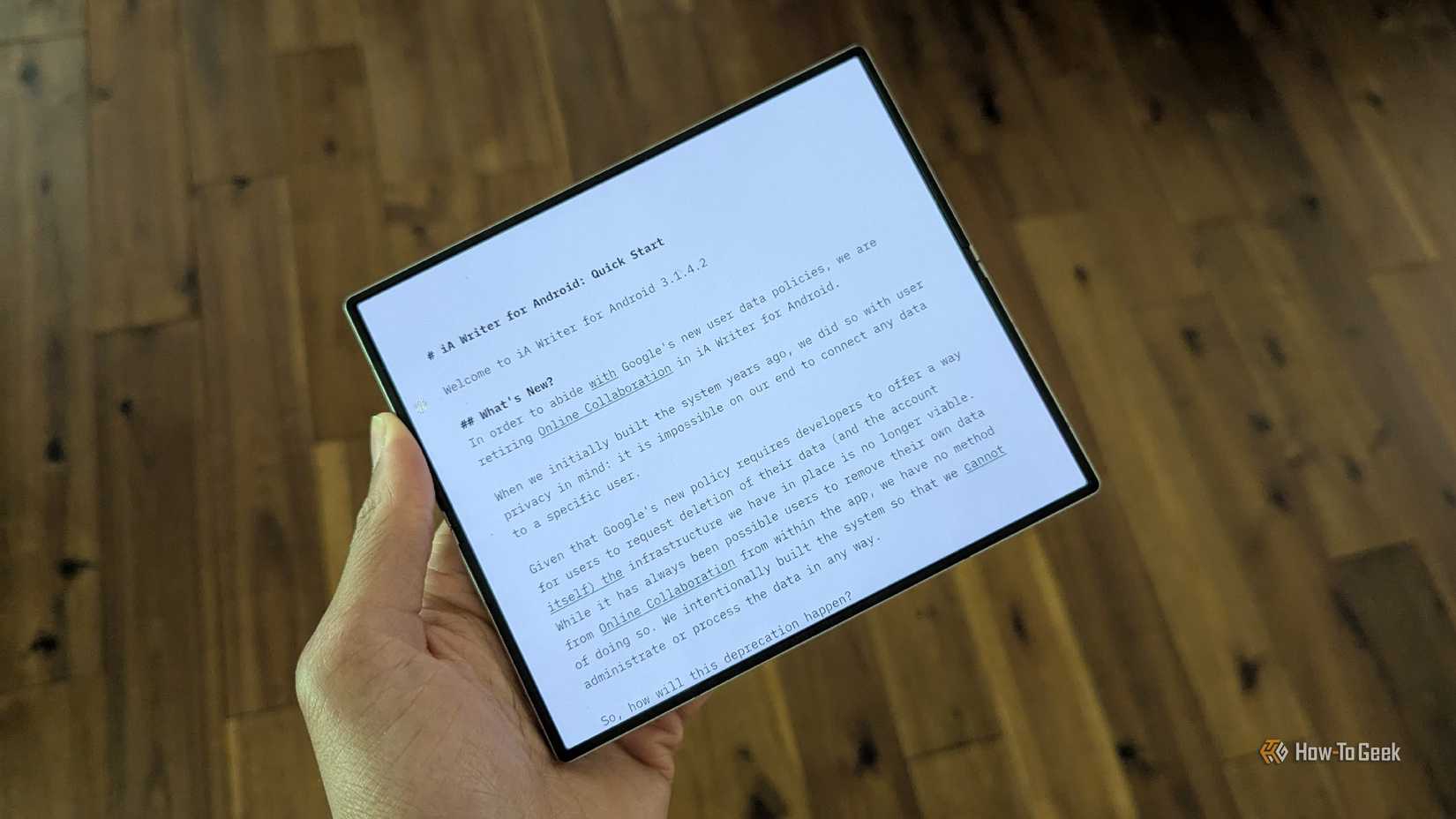
iA Writer
Android has a few distraction-free writing apps, but we writers can be a persnickety bunch, and most have a few design decisions and quirks that I ultimately still find to be, well, distracting. For a while, my favorite was iA Writer. Unfortunately, the Android version did not have feature parity with the iOS one, and the app languished for a long time without an update. Then I found out why.
The developers asserted that Google had changed app developer guidelines in a way that made the app no longer able to function how the developers wished, and it would have been cost prohibitive to continue for the amount of money they were bringing in. They ultimately decided to pull the plug on the Android version of iA Writer.
Credit: Bertel King / How-To Geek
Nova Launcher
Nova almost needs no introduction. For years, it was the de facto default alternate launcher for many of us who weren’t satisfied with the customization features our phones offered out of the box. With Nova, you could change just about everything related to your home screen.
Unfortunately, the app was eventually purchased, and development priorities changed until work on Nova eventually ceased altogether, as this story often goes.
TweetDeck
There are many whose hearts still pang at the loss of TweetDeck, an invaluable app for many that provided far more flexibility than the official Twitter apps. You could have several feeds open side-by-side, set up detailed filters, and send out tweets according to your own schedule. It was an app careers were built around, one whose usefulness was significantly reduced by Twitter API changes long before the site’s eventual acquisition and name change.
TweetDeck was so popular that Twitter purchased the app in 2011, and it technically still lives on in the form of X Pro. Just don’t look for an Android app, seeing as you won’t find one.
For this hit of nostalgia, we’ll turn to an old and blurry interview with TweetDeck’s founder, courtesy of TechCrunch.
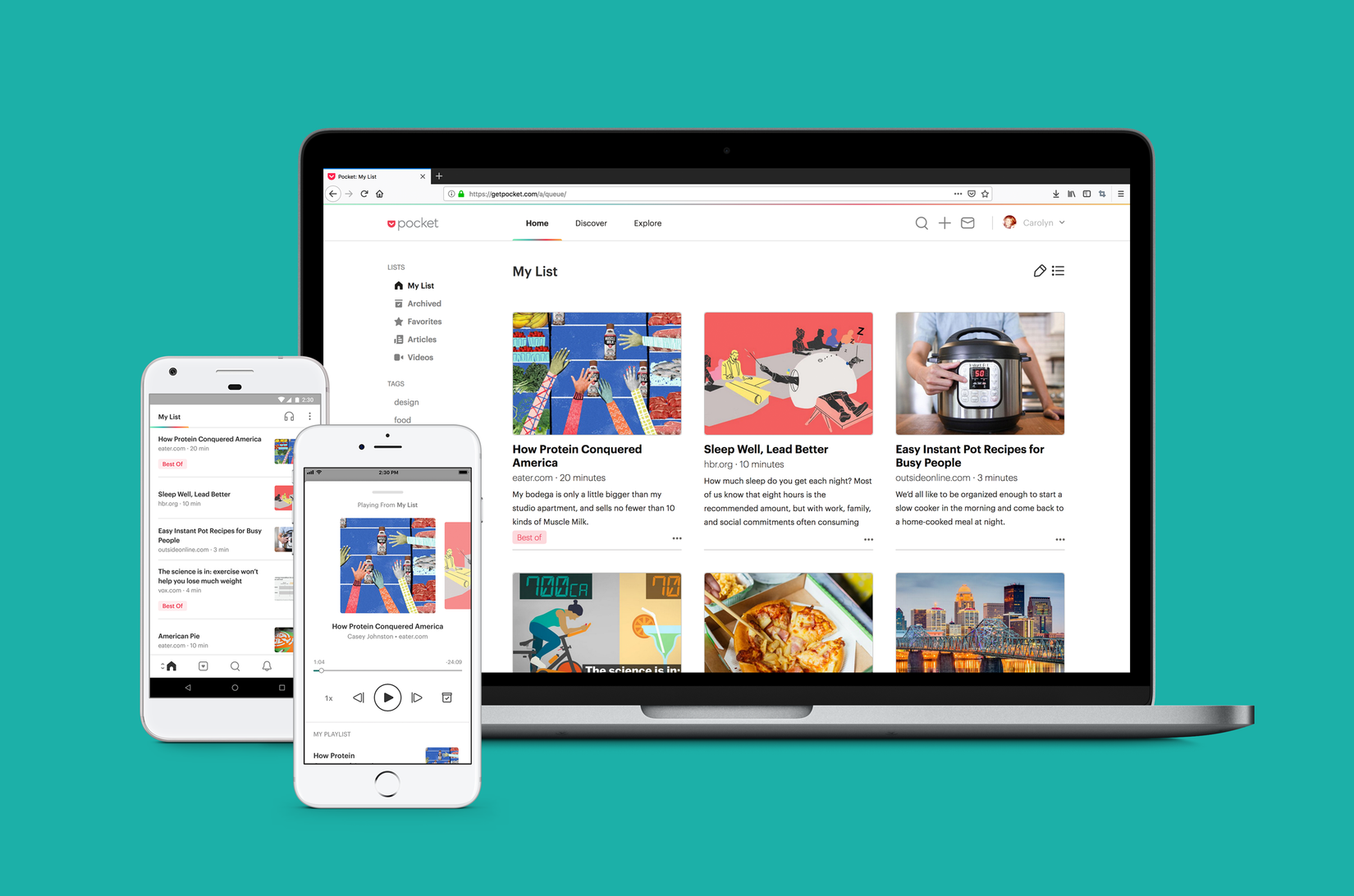
Here’s a recent addition to the list, seeing as Pocket only recently shut down in the summer of 2025. The app was a place where you could save webpages to be read later, reformatting them into a format that was far more readable. As the app grew, you could save and share sources other than webpages.
Credit: Pocket
Mozilla purchased Pocket in 2017, only a few years into the latter’s lifespan. The functionality became associated with Firefox, where Pocket was a baked-in feature. But Mozilla never followed through on promises to open source Pocket, limiting the service’s appeal to many of Firefox’s most diehard fans. Eventually, the non-profit shut down the servers, but at least there are alternatives to Pocket that largely do the same thing.
Humble Bundle
This is less about the loss of one app and more about the loss of an era. There was a time when Humble Bundle was the best source for DRM-free Android games. I built up a small collection by purchasing several Humble Indie Bundles. The Humble Bundle app served as an alternative way to install apps over a decade ago, allowing you to download any Android game from your Humble library.
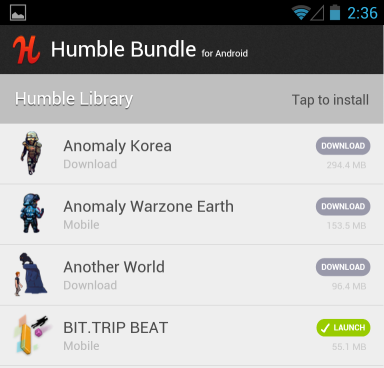
While the lack of DRM meant you truly owned your games, it did not mean you would be able to play them for long. As new versions of Android came out, these games gradually stopped working. Since no one was pushing out updates to these old Android games, gamers were left with APKs they couldn’t do anything with. The Humble Bundle team struggled to keep up with new versions of Android and eventually shut down the app in 2021.
While the app is no more, you can still purchase a small selection of Android games from Humble Bundle via your web browser.
All things eventually come to an end, and apps are no exception. Fortunately, there remain some apps that have managed to stand the test of time—like my go-to podcast client and one of my favorite live wallpaper apps. What’s one thing these two apps have in common? They’re both open source.