
As a female golf coach, I’m always opinionated about what needs to happen within the women’s game, how the game needs to adapt, and whether facilities are keeping up. But what I find really fascinating is what the men I work with and coach feel is happening.
Whether immersed in the world of golf or simply spectating from a distance, these men have some interesting things to say about women’s golf at club and tour level.
Mark Slater: The Gap Between Golf And Other Sports
The initial reason for writing this piece is that one of my pupils, Mark Slater, recently returned from a golfing trip around the North of England with some eye-opening reflections on how it might feel to be a female golfer.
You may like
It’s interesting to note how other sports have significantly increased female players in the past ten years, football and rugby to name two. Football in particular has attracted many thousands of new players whilst in my local golf club there’s no noticeable increase on the course over the same period.
I was fortunate to play at Formby a couple of months ago and couldn’t help being impressed by the magnificent clubhouse and superb course. Then I learnt this is the men’s clubhouse and the ladies have their own clubhouse obscured by the single storey pro shop, and a separate course to play on. I was oblivious to the fact that there are still ladies-only golf clubs.
On the positive side, I know several fellow players whose partners are now actively learning the game. Maybe it just takes more time than other sports, so more of an evolution than revolution.
(Image credit: Golf Monthly – Kevin Murray)
Eddie Bullock: Redefining The Culture
Eddie Bullock runs a golf consultancy and has worked in the golf industry for a very long time. He sees a significant shift happening in women’s golf, one that demands a complete cultural rethink.
It deserves attention… not as a side note, but a sign of where the game as a whole is heading. The traditional architecture of women’s golf culture simply doesn’t match the lifestyles of today’s players.
More women entering the game are business owners, professionals, and multi-taskers whose time is precious. They’re looking at golf that fits life, not the other way around.
What stands out most is that the social value of the game now holds equal weight to performance. Many newcomers are discovering the sport through shared experiences: group coaching, social formats, and supportive peer circles.
The World Handicap System (WHS) has divided opinion, but it plays an important role for beginners, making progression easier to understand and track. Being able to monitor improvement digitally and relatively quickly has encouraged more women to feel a part of the golfing community from the start.
This isn’t about the women’s game ‘catching up’, it’s about reshaping what golf can be … inclusive, enjoyable, and genuinely welcoming, which benefits everyone.
(Image credit: Kevin Murray)
Dom Oxley-Thorne (PGA Trainee): On-The-Ground Atmosphere
Dom Oxley-Thorne, a first-year PGA trainee at Salisbury and South Wilts Golf Club has his ear to the ground when it comes to female members and notes some encouraging changes.
I’ve only been properly involved in the golf industry for about a year, but I have seen a definite increase in female participation across all types of events, not just the traditional ladies competitions. It feels like there’s a gradual shift towards a more inclusive environment where women are seen as an integral part of the golfing community rather than a separate section of it.
But what do female members tell him about how they feel within the club, do they feel valued?
This is a bugbear amongst many female members at a club, shaking the old aged feeling of being second class members has been a tough one across clubs. It can still be a little more difficult for female members to feel fully accepted within the bigger, mixed groups. Some women are hesitant to join in, perhaps worried about being judged or not fitting in.
However, I’ve seen a real positive shift, particularly on weekends, with more women playing alongside what might once have been seen as traditional men’s groups. The fact that these women return week after week suggests they feel welcomed and respected. There’s a strong sense of value and camaraderie within those circles, though I’m not always sure that same level of appreciation is fully mirrored across the wider membership. It’s improving, but there’s still room to grow.
(Image credit: Golf Monthly)
Visibility On Tour
When it comes to professional women’s golf, Oxley-Thorne sees more of it and feels they’re beginning to be recognised, though there’s a long way to go.
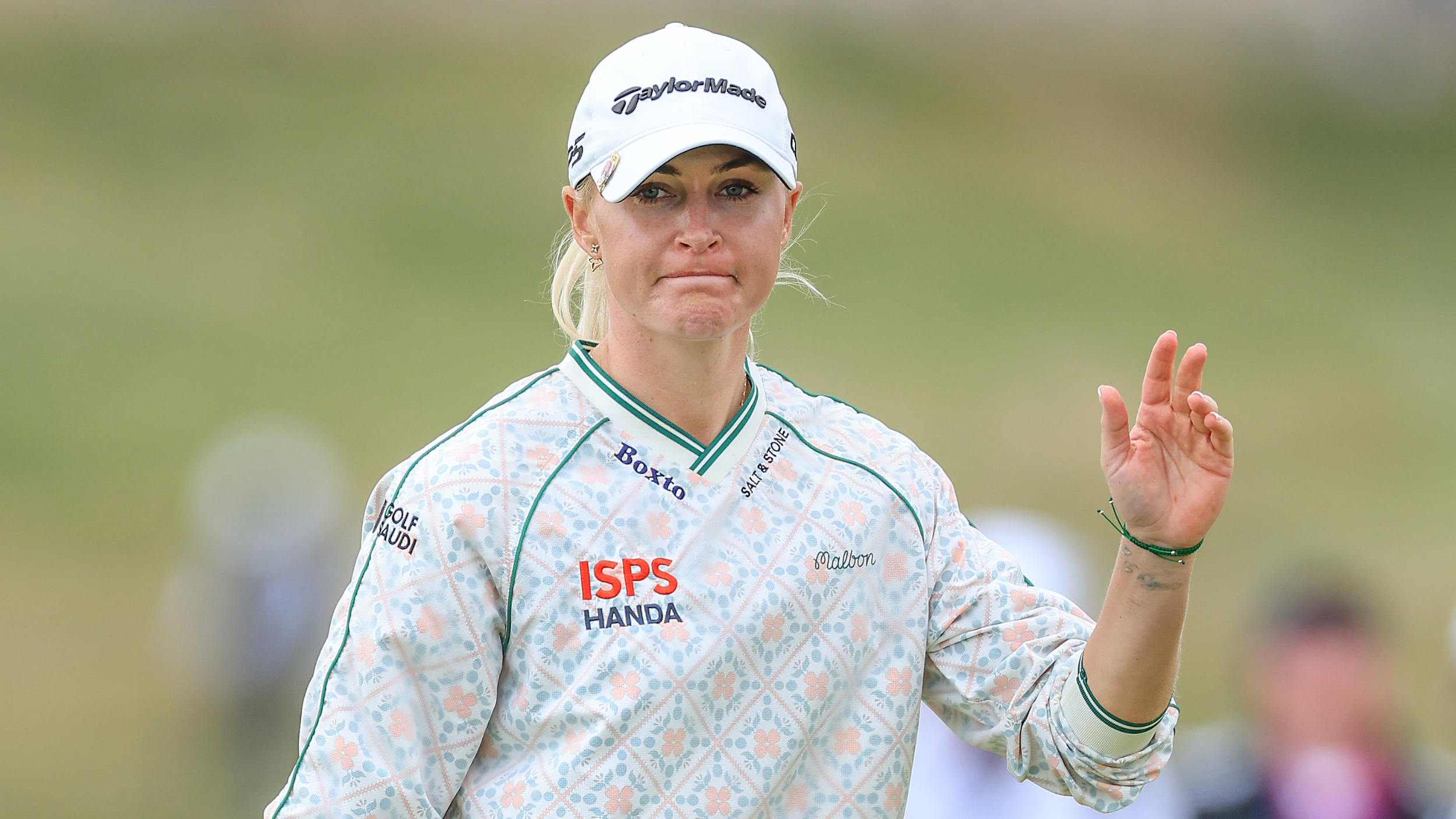
The LPGA has made a real impact in recent years, particularly in changing how people view the women’s game. When it’s on the TV in the pro shop, there’s genuine respect from members for the standard of golf being played. That visibility is invaluable, as it gives female golfers role models to look up to and helps normalise the idea that elite golf isn’t just for men.
The one area still in need of improvement is the quality of venues used for some professional women’s tournaments. Too often, the courses don’t match the standard of play, which can unintentionally undervalue the level of skill on display. The women’s game deserves to be showcased on the same calibre of courses as the men’s, and as exposure continues to grow, I think we’ll see that gap close.
(Image credit: Getty Images)
The Real Challenge: Mixed Play And Grassroots
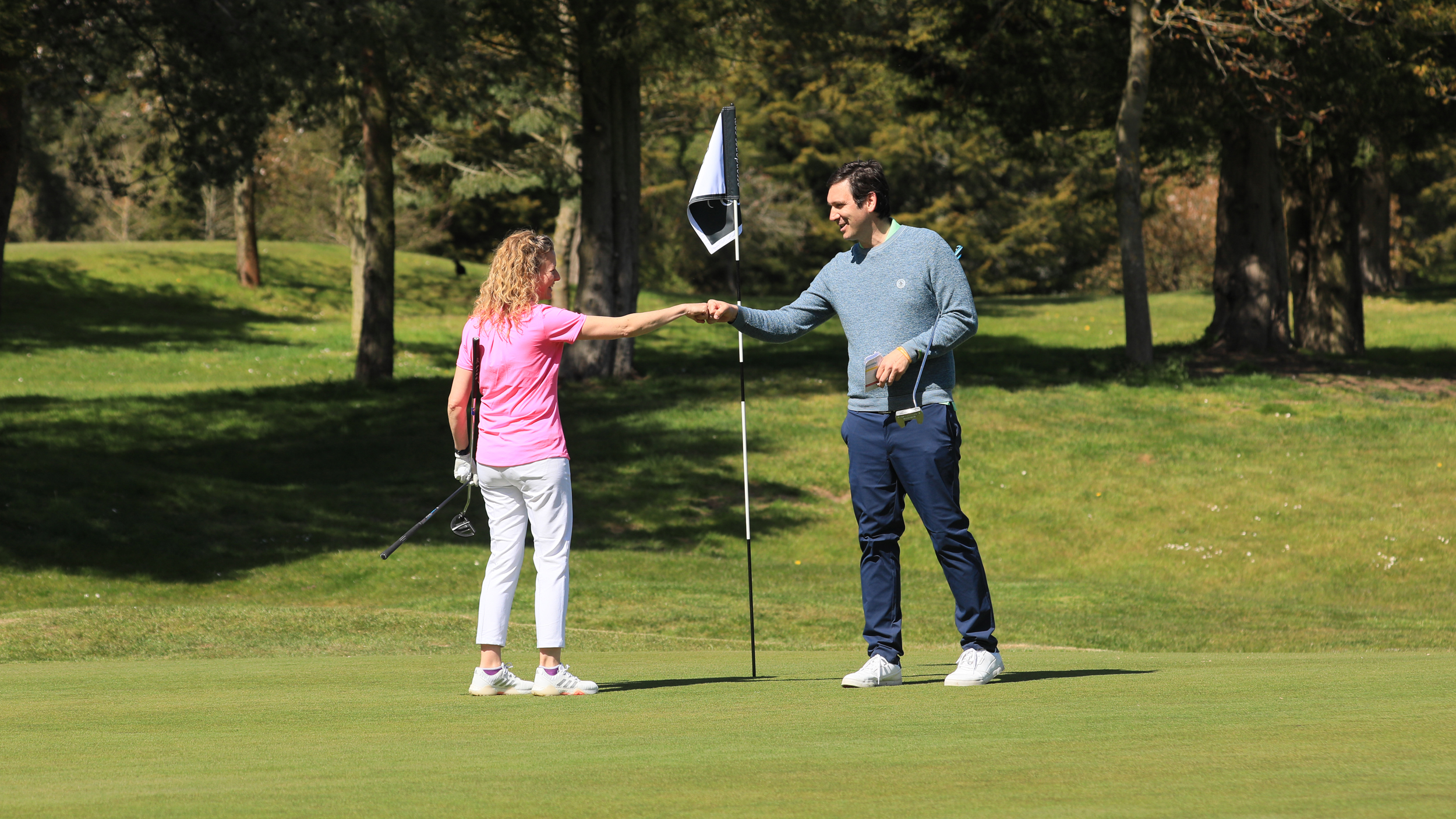
Oxley-Thorne doesn’t often play golf with women, and when he does, it’s usually in a mixed competition or when he is paired with them in an event. He wouldn’t typically play social golf within ladies groups, mainly because his playing circles are quite separate.
This cultural separation highlights where the women’s game faces its biggest challenge: the pipeline of talent. The number of girls taking up golf at a young age is still relatively low, which means many women only start playing later in life, making an already difficult game even tougher to learn and stick with.
(Image credit: Golf Monthly)
Oxley-Thorne adds: Increasing participation at grassroots level is easier said than done. There’s huge competition from other sports, and if golf doesn’t act decisively soon, it risks being left behind. Mainstream sports such as football and rugby are already attracting the majority of funding and media attention in the women’s sporting space.
There’s still a real opportunity for golf to stand out as a unique individual sport, but that window won’t stay open forever. Grassroots investment remains the key to building participation and improving performance across the board. The pathway from junior to adult golf is still some way behind where it needs to be, and strengthening that link will be crucial for the long-term success of the women’s game.
Your Thoughts
Such interesting insights from these three men. Are you a man who feels women’s golf is growing? Do you play mixed golf on a regular basis? What’s the biggest challenge women face? We’d love to know your thoughts and hear about your experiences, good and bad, by commenting in the box below.
The game is changing, but I feel there is a long way to go. Clubs and members need to embrace the different versions of golf on offer these days. Only then will we see true progress, as clubs adapt and remodel the game of golf to suit a variety of women. Here’s to evolution!