
As Iran deals with power shortages, blackouts, and faltering electrical infrastructure, officials point to cryptocurrency mining as a surprisingly large drain on energy resources.
What is crypto mining?
As defined by Harvard University, mining is a process in which computers generate cryptocurrency tokens. It’s most famously performed to create bitcoin. The process involves solving complex problems that add blocks to the blockchain and launch new coins into circulation.
Being the first “miner” to solve a bitcoin problem comes with one of the coins as a reward. And with each bitcoin being worth more than $100,000 for much of 2025, mining can be a lucrative process.
But it is also an energy-draining one. The amount of computer power needed to create a competitive, large-scale mining operation is immense.
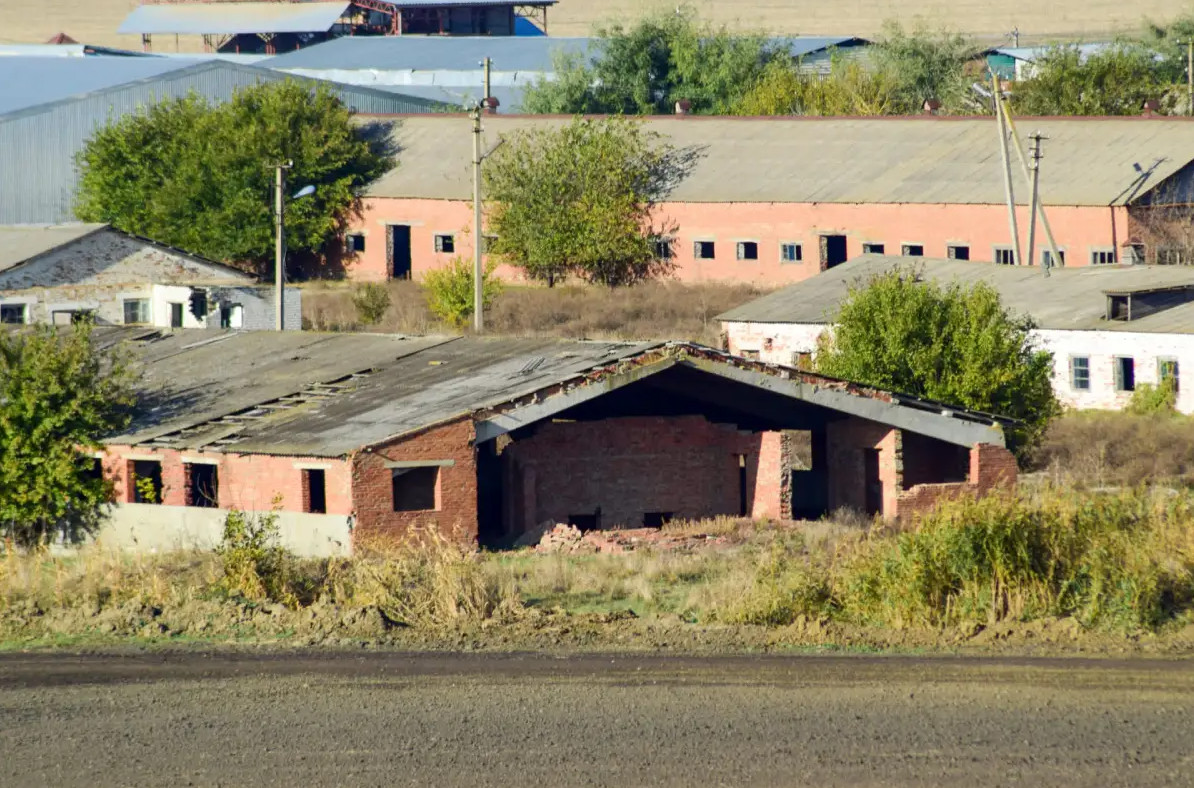
Crypto mining is only legal in Iran for those licensed to do so. Countless illegal operations, however, are running throughout the country. As Iran International reported, law enforcement has seized more than 250,000 illegal mining devices since last year. Most of them were hidden in places like abandoned homes, warehouses, businesses, and farms.
The country has also set up a tipline to help catch those who illegally mine cryptocurrency.
“Identifying these operations is challenging, especially in large industrial areas,” Iranian energy official Mohammad Allahdad told Iran International. “That’s why public cooperation has been crucial.”
Why is crypto mining concerning?
When someone says the amount of energy used for crypto mining is massive, they mean it.
The practice is responsible for roughly 5% of total energy consumption in Iran. Allahdad added that Iran is also in a power deficit. Crypto mining is responsible for up to 20% of that shortage.
That shortage has led to widespread power outages — a major concern when people across the country need air conditioning to stay safe amid rising temperatures.
To produce one bitcoin, older crypto-mining devices can use as much energy as 440 Iranian households consume in a year. And when Iran suffered an internet outage earlier this year, energy consumption plummeted. Officials estimated that 900,000 illegal mining devices were temporarily shut down.
The problem extends far beyond Iran’s borders. A Harvard study found that, during a 12-month period, the United States’ 34 largest Bitcoin mines used 33% more electricity than all of Los Angeles. The vast majority of that electricity came from fossil fuels.
Although crypto operations powered by fossil fuels emit tremendous amounts of heat-trapping pollution, some are trying to reduce the industry’s impact. A Cambridge University study found that sustainable-energy use for bitcoin mining has grown to more than 50%. In Texas, one of the world’s largest bitcoin holders acquired a wind farm to help power its mining operations.
Join our free newsletter for weekly updates on the latest innovations improving our lives and shaping our future, and don’t miss this cool list of easy ways to help yourself while helping the planet.