
Unlock the Editor’s Digest for free
Roula Khalaf, Editor of the FT, selects her favourite stories in this weekly newsletter.
The government is set to exempt Wimbledon debentures from the crackdown on reselling tickets above face value, in what would be a major win for the organisers of the UK’s leading tennis tournament.
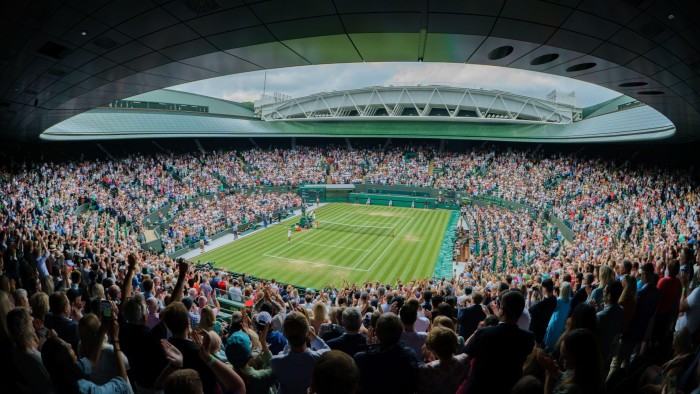
The All England Lawn Tennis Club had warned that a price cap on the resale of its debenture seats would be “extremely damaging” because it could reduce demand for the primary issuance of the instruments. This would hit the amount the AELTC can raise to invest in infrastructure such as the retractable roofs on Centre Court and Number 1 Court and other facilities at Wimbledon.
Debenture holders can transfer or sell them on the secondary market, often at a premium to their issue price. Part of the appeal of debentures is that holders can recoup part of their high cost — or potentially make a profit — when they are unable to attend matches.
Debentures give the holder a premium seat at the Wimbledon Championships for up to five years. In April, Wimbledon said an issuance of up to 1,250 Number 1 Court debentures was oversubscribed at £73,000 each, up 59 per cent on the previous sale in 2021.
In 2024, 2,520 Centre Court debentures were priced at £116,000 each, up from £80,000 each in the prior issuance.
The government’s plan to crack down on ticket reselling comes after thousands of Oasis fans complained about a surge in prices ahead of concerts this year, with some tickets listed at more than £4,000 on the secondary market.
But the ban on reselling at above face value is not intended to apply to the debentures issued by the AELTC, according to two people with knowledge of the matter.
The exact definitions of how such an exemption would work will need to be defined in legislation.
The AELTC has raised more than £500mn in the past 10 years from selling debenture seats, which are regulated as financial instruments by the UK Financial Conduct Authority.
In a statement the AELTC said: “We support the government’s measures to protect fans and we are confident that the government recognises the crucial role that Wimbledon’s debenture programme plays in the continued success of the Championships.”
The Department for Digital, Culture, Media & Sport declined to comment.
Debenture tickets account for just under 10 per cent of total AELTC tickets across the fortnight of the Wimbledon Championships, but a higher proportion on Centre Court.
Debenture programmes at Lord’s Cricket Ground and Twickenham rugby stadium will not require exemptions because organisers do not allow them to be resold above face value, said two people with knowledge of the matter. Marylebone Cricket Club and Rugby Football Union declined to comment.
The AELTC also operates a ballot system for selling general admission Wimbledon tickets but has strict conditions that ban their unauthorised resale.
Wimbledon announced its largest attendance in history this year, with a total of 548,770 guests. It estimates that the tournament had an economic impact of £434mn across the UK, with about £279mn of that figure in London.