
Read: 2 min
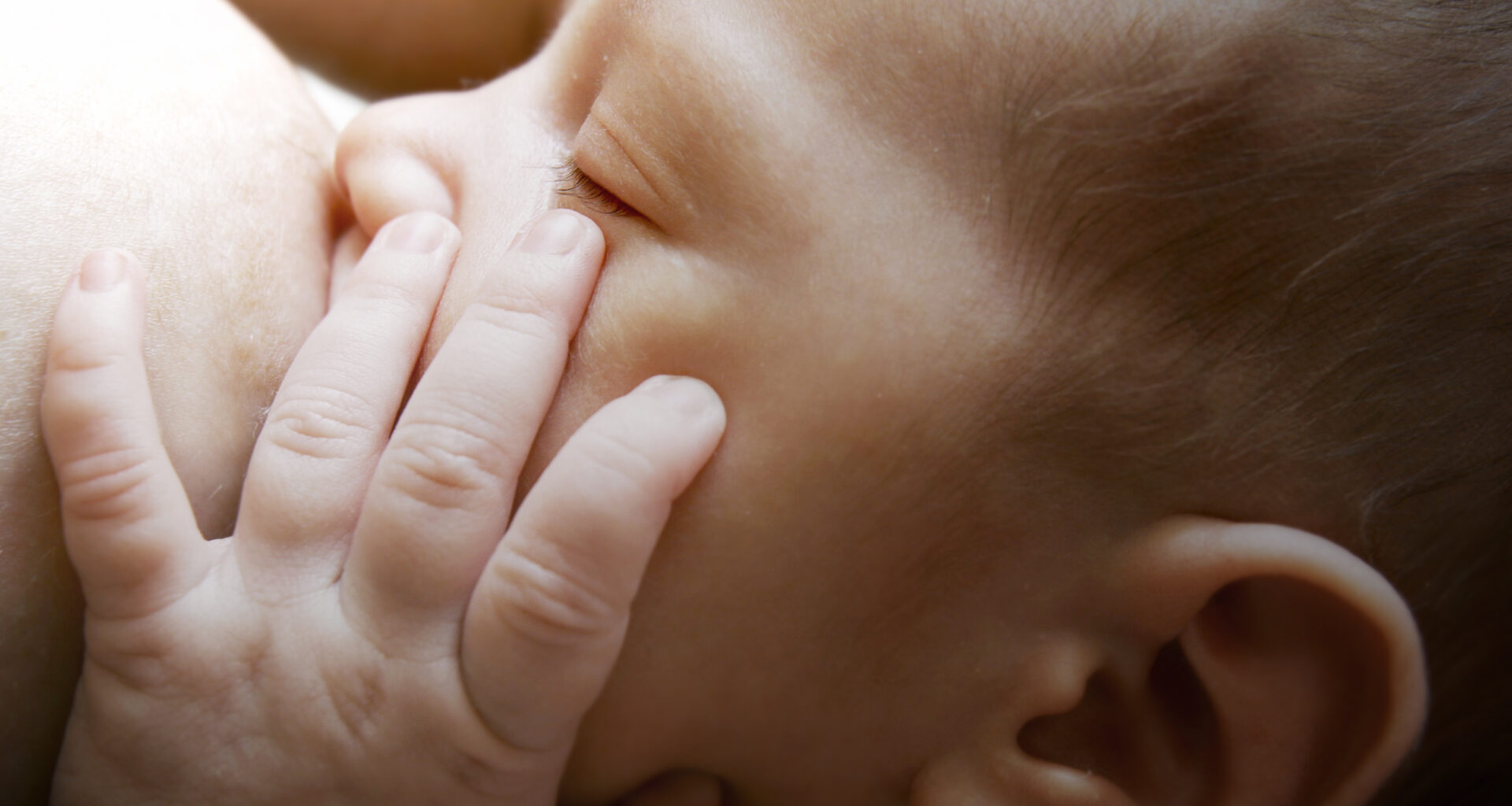
Breastfeeding is a natural, learnt behaviour — the most cost-effective way to give a child a healthy start in life.
Breastfeeding’s benefits range from protecting against infections to reducing infant mortality. The World Health Organization estimates that optimal breastfeeding practices could save over 820,000 children each year.
And yet, just 38 per cent of Canadian infants are exclusively breastfed in their first six months — well below the WHO’s target of 60 per cent.
This low rate reflects gaps in Canadian health policy, coordination and accountability. If Canada wants to improve its breastfeeding rates, it should participate in the World Breastfeeding Trends Initiative (WBTi).
Launched 22 years ago, the WBTi helps countries assess and benchmark progress in implementing the Global Strategy for Infant and Young Child Feeding (IYCF), a strategy developed by WHO and UNICEF.
The WBTi assessment evaluates how well governments support breastfeeding through their laws, policies and public health systems.
To date, 100 countries have completed the independent assessment, with some having done so multiple times to track progress in improving their policy environments.
Yet, the WBTi has never been done in Canada.
Currently, breastfeeding support, promotion and data monitoring vary significantly across the country, as do parental leave policies, lactation support and access to maternity care.
The consequences are clear. According to Health Canada, average breastfeeding initiation rates are 91 per cent after birth, but fall sharply within the first month postpartum.
Thank you for being a paid subscriber. Our work would not be possible without your support.
Subscribe to Editor’s Picks. Receive our free Saturday newsletter featuring our best stories from the week.
Many mothers report the top reasons for stopping breastfeeding early are difficulties with breastfeeding and perceived insufficient milk supply.
One in three newborns in Canada is also born to parents who do not have access to paid, protected time with a parent — a factor that possibly also contributes to Canada’s suboptimal breastfeeding rates.
A WBTi assessment could help change this trajectory.
An assessment would enable Canada to align with international standards, identify policy gaps and establish a roadmap for action.
The process is straightforward: partners and knowledge holders — including governments, researchers, health professionals, Indigenous leaders and advocates — collaborate to gather data, analyze policies and assess performance across 15 indicators. The outcome is a coloured scorecard and detailed report with specific, actionable, evidence-based recommendations.
We don’t have the resources of the New York Times or Wall Street Journal. But we have something they don’t: Canadian heart.
Support Canadian journalism today.
Subscribe to Family Matters. Receive our free quarterly newsletter featuring stories that matter to your family’s health and well-being.
A completed WBTi assessment scorecard is associated with meaningful change. At least 18 high-income countries have completed the assessment. The United Kingdom recently completed its second assessment, with its findings presented this July in Parliament.
In the same month, the WHO hosted a webinar showcasing how WBTi assessments are helping countries align with global nutrition and health targets. Canada was noticeably absent.
The good news is that momentum is building in Canada. A core group of eight leaders — including lactation consultants, nutritionists, academic researchers, a representative from First Nations, Inuit, and Métis, the Breastfeeding Committee for Canada, and La Leche League Canada — have begun work on the country’s first WBTi assessment.
WBTi Canada marked its first milestone on Oct. 2, with a national webinar to officially launch the project.
This event marks not only a historic step in Canada but also an opportunity for partners and knowledge holders nationwide to help build a stronger, more equitable breastfeeding support system.
Most importantly, it reaffirms our responsibility to give all Canadian children the healthiest possible start, no matter where they are born.
We must not fall behind. A WBTi assessment is more than a bureaucratic exercise. It is a roadmap to accountability, health equity and healthier futures for Canadian children.
This article was authored by: Stephanie George, Jennifer Abbass-Dick, Isabelle Michaud-Létourneau, Haileigh Robb, Jen Peddlesden, Elisabeth Sterken, Laurie Twell, Gulpiya Uygur
Our work would not be possible without paid subscribers. Become one today.
✓ Unlimited article access
✓ Crosswords on Canadian holidays
✓ Cancel any time
✓ Unlimited article access
✓ Crosswords on Canadian holidays
✓ All Subscriber benefits
✓ The ability to gift a 20% discount on Canadian Affairs subscriptions to your contacts
Related Posts