
Then, in early October, as 3I/ATLAS passed Mars, both the HiRISE instrument on the Mars Reconnaissance Orbiter (MRO) and the Mastcam on the Perseverance Rover captured views from orbit and from the planet’s surface. Along with the images snapped by the European Space Agency’s ExoMars Trace Gas Orbiter, these are the closest views of the comet so far.
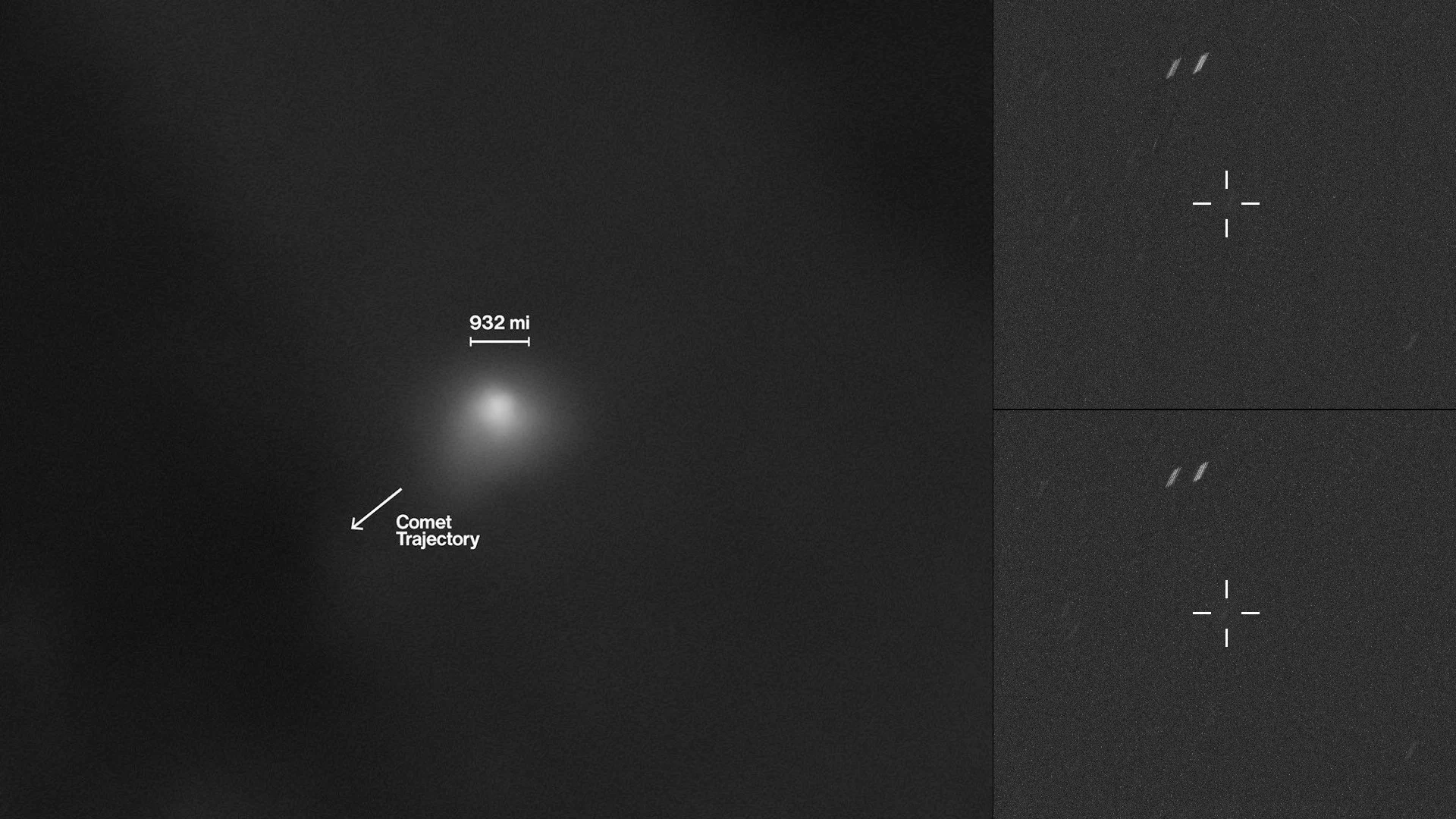
The view of 3I/ATLAS from MRO’s HiRISE instrument (left), and two frames taken by the Mastcam on Perseverance. While the comet is captured quite well from orbit by MRO, it only appears very dimly to Perseverance’s cameras, likely due to dust in the atmosphere. (NASA/JPL-Caltech/University of Arizona, NASA/JPL-Caltech/ASU/MSSS)
Given that HiRISE was designed to capture high resolution images of the Martian surface from about 200-400 kilometres up, and Perseverance’s Mastcam was built to record images and video of the rover’s local environment in Jezero Crater, both did remarkably well at spotting and imaging a comet located around 30 million km away.
Missions that observe the Sun were also very helpful in tracking the progress of the comet. During 3I/ATLAS’ closest pass by the Sun, when it would likely be at its most active, it was not visible from Earth, due to the brightness of our star.
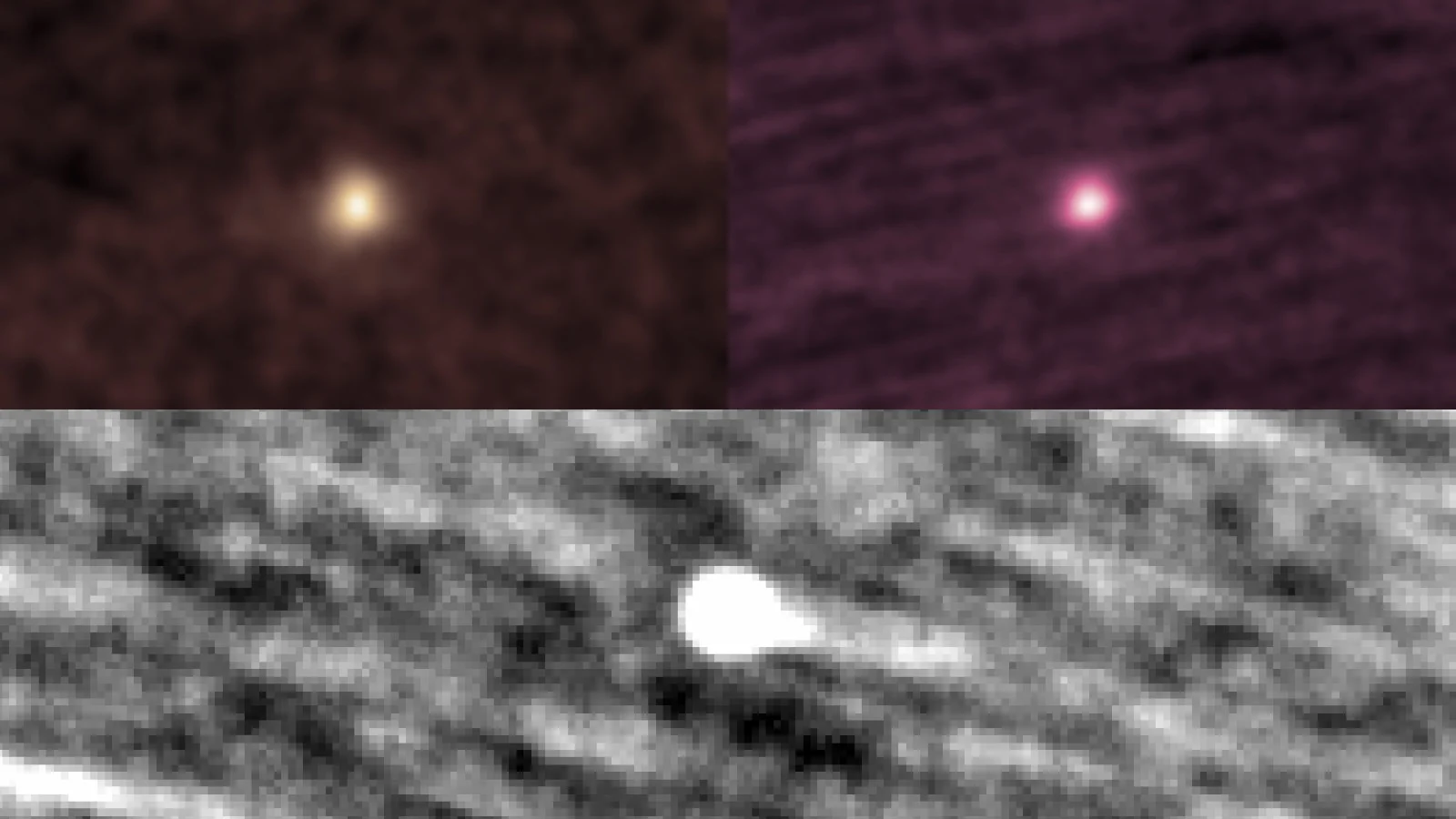
Views of 3I/ATLAS taken by SOHO from Oct. 15-26 (top left), STEREO-A from Sept. 11-25 (stop right), and PUNCH from Sept. 20-Oct. 3 (bottom), reveal similar features, with a fuzzy bob surrounded by gases and dust, with PUNCH picking up the comet’s tail as well. (NASA/ESA/Lowell Observatory/Qicheng Zhang, NASA/Lowell Observatory/Qicheng Zhang, and NASA/Southwest Research Institute)
Spacecraft such as the Solar and Heliospheric Observatory (SOHO), the Solar TErrestrial RElations Observatory (STEREO-A), and the new Polarimeter to Unify the Corona and Heliosphere (PUNCH) mission, are all outfitted with cameras specially designed to filter out the harsh light from the Sun, to reveal the details of space around it. Each spacecraft captured images of 3I/ATLAS over several days, which were combined together to enhance the brightness of it, and provide us with the images shown above.
“NASA is in the midst of an unprecedented solar system-wide observation campaign, turning its spacecraft and space telescopes to follow comet 3I/ATLAS, the third known interstellar object to pass through our solar system,” the agency stated on their website. “Twelve NASA assets have captured and processed imagery of the comet since it was first discovered on July 1, and several others will have opportunities to capture more images as the comet continues to pass through our solar system.”
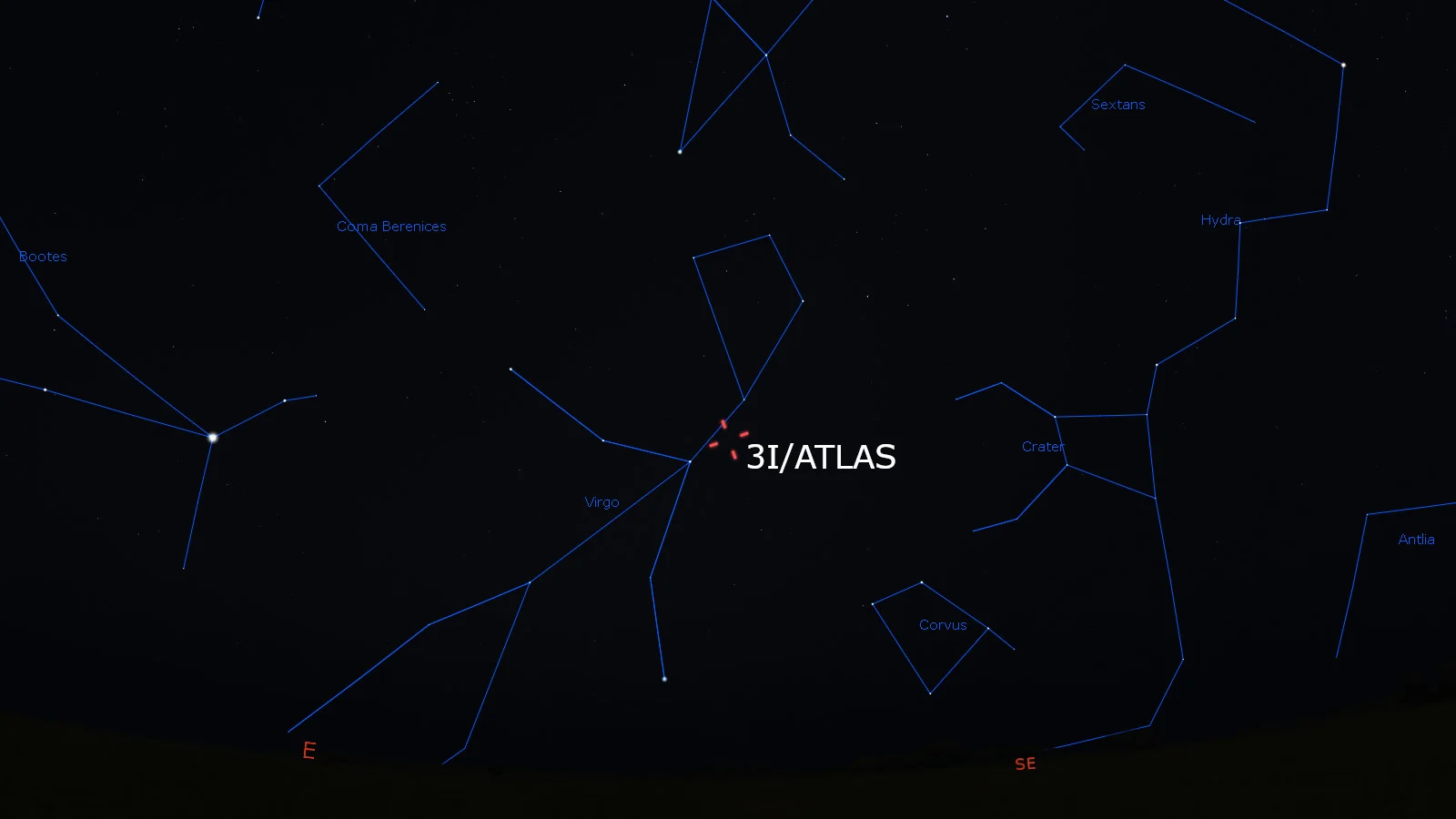
3I/ATLAS in the constellation Virgo, at 5 a.m. local time on the morning of November 22, 2025. (Stellarium)
If you wish to find 3I/ATLAS for yourself, it is now in the constellation Virgo, located in southeastern sky each morning, during the predawn hours, from around 3 a.m. local time until sunrise. It is estimated at being around magnitude 10, which is still far too dim to spot with the unaided eye. However, a decent backyard telescope can pick up objects of that brightness, provided the observer has clear, dark skies, far from city light pollution. The comet will remain in Virgo for the rest of November, but will pass into the constellation Leo in December, while growing dimmer as it gets farther away from the Sun.
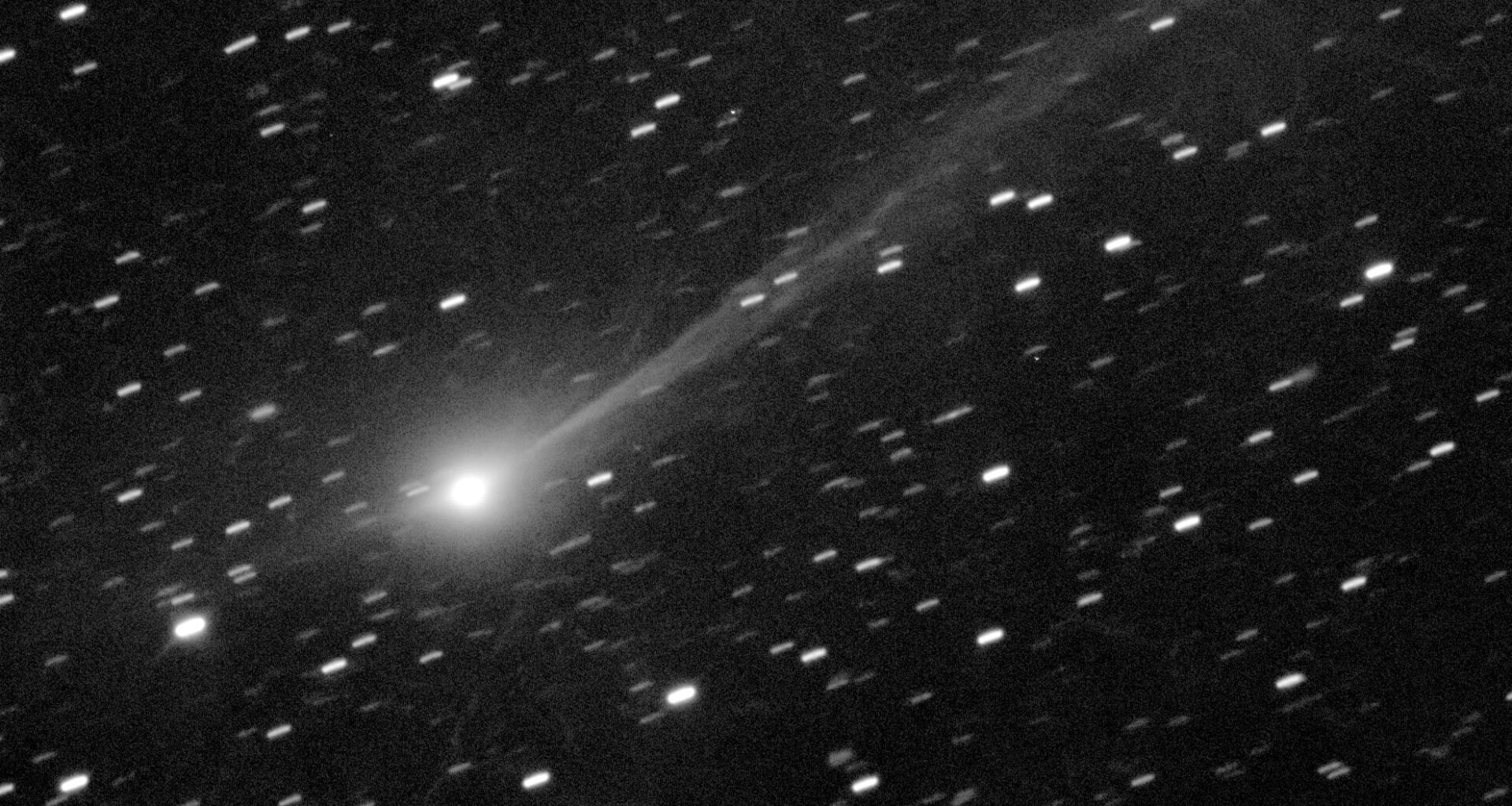
(Thumbnail image is Gianluca Masi’s Virtual Telescope image of 3I/ATLAS from November 19, 2025, with the brightness adjusted to make the comet stand out better against the background.)
Watch below: Astronomers aimed Hubble at the alien comet in August. Here’s what they saw