
NASCAR’s front office is scrambling. With the antitrust trial against 23XI Racing and Front Row Motorsports just days away, unsealed documents have exposed exactly how the sanctioning body handles competition. The messages aren’t just business strategy; they’re a raw look at executives trying to crush a rival series. The curtain has been pulled back, and the view isn’t pretty.
What Did Steve Phelps and Steve O’Donnell Say About SRX?
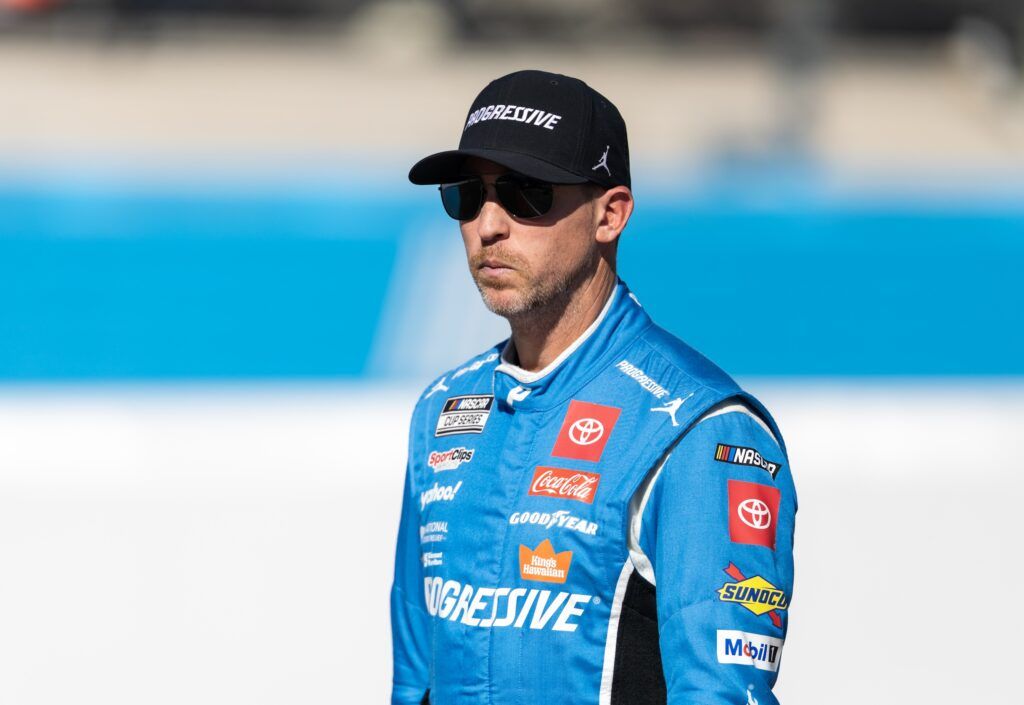
At the center of these disclosures are text messages between NASCAR commissioner Steve Phelps and Steve O’Donnell, who was the Chief Operating Officer at the time. The conversation sparked when Denny Hamlin confirmed he would race in the Superstar Racing Experience (SRX) season opener on ESPN. The executives wasted no time expressing their frustration.
“We need to have everyone understand that this could turn into LIV if we don’t play our cards right.”https://t.co/EqTYjlSDz5
— Matt Weaver (@MattWeaverRA) November 22, 2025
The exchange from June 2022 illustrates just how personal the rivalry had become. Phelps said, “Oh great, another owner racing in SRX.” O’Donnell’s reply escalated the tension immediately. He wrote, “This is NASCAR. Pure and simple. Enough. We need legal to take a shot at this.”
Phelps didn’t mince words in his response. He replied, “These guys are just plain stupid. Need to put a knife in this trash series.”
This aggression wasn’t just about one driver having fun on a Saturday night. According to insiders, the sanctioning body feared SRX’s move from CBS to ESPN. That shift directly threatened NASCAR’s mid-season television audience share. Suddenly, current Cup Series stars had an easy path to appear in front of national audiences on a rival platform, and leadership in Daytona didn’t like it.
The SRX series launched in 2021 with serious backing from legends Tony Stewart and Ray Evernham, along with executives George Pyne and Sandy Montag. Their goal was simple: bring elite racers to short-track bullrings across America and highlight grassroots communities. However, NASCAR viewed this mission as a direct encroachment on their territory.
These concerns predated the Hamlin text chain. A year earlier, Justin Marks competed in an SRX event at Stafford Motor Speedway. The unsealed discussions reveal that executives already viewed the series as a “threat” within the competitive market back then.
MORE: Secret Plan for Breakaway NASCAR Races in the Middle East and Churchill Downs Comes to Light
The tension went beyond just SRX. Influential figures like Dale Earnhardt Jr. and Mark, the co-owner of Trackhouse Racing, were expanding their business footprints outside of NASCAR’s authority. Their acquisition of the CARS Tour, a regional stock car staple, signaled that key players were building leverage independent of the sanctioning body.
To the power brokers running the sport, these weren’t isolated incidents. The rise of SRX, the growth of the CARS Tour, and the complex charter negotiations all appeared to be interconnected threats. Popular figures were gaining power, broadcasters were open to alternative racing products, and short-track racing was slowly drifting away from NASCAR’s grip.
The newly released messages provide hard evidence that leadership was prepared to intervene aggressively to stop this shift. While the upcoming trial will determine whether these actions violated antitrust laws, the texts make one thing clear: NASCAR was willing to fight dirty to stay at the top.