
Two-Spirit, transgender and gender-diverse people do not have equitable access to healthcare in the Northwest Territories and improvements are needed, a new report states.
The Northern Mosaic Network partnered with researchers from the University of Manitoba to conduct a study reviewing the territory’s guidelines on healthcare for transgender, non-binary and gender non-conforming people.
The organization, which supports 2SLGBTQIPA+ people in the NWT, shared findings and recommendations from that study at a community gathering in Yellowknife last week.
“Our hope is that it will lead to action,” Emily Smith, peer support coordinator with the Northern Mosaic Network, told Cabin Radio of the report and its findings.
“Our hope is that these will be taken and used as a basis to update the guidelines, or just to update many aspects of gender-affirming care in the territory and improve people’s lived experiences.”
Advertisement.
Advertisement.
The NWT government released its guidelines in late 2020. The 16-page document aims to help healthcare providers support Two-Spirit, transgender and gender-diverse (2STGD) patients and provide clear referral pathways for gender-affirming health services.
Mikayala Hunter, a PhD student at the University of Manitoba whose research focuses on 2SLGBTQI+ health and data equity, said gender-affirming healthcare is medically necessary and can reduce suicidal ideation and emotional and mental distress for 2STGD people.
“It is literally lifesaving care for a lot of folks and, over and above that, it’s also a really important way to improve quality of life,” Hunter said.
“It’s really important that people get gender-affirming care and that they are able to feel comfortable in their own skin.”
Advertisement.
Advertisement.
Hunter said it’s a positive step that the NWT has guidelines in place – even if they need improvement.
Implementation and insurance issues
The new study highlights significant gaps in the NWT’s guidelines and barriers 2STGD people can face accessing gender-affirming healthcare.
Researchers interviewed and held focus groups with 39 participants, including 23 patients, one caregiver and 15 healthcare providers (two of whom were also caregivers).
They described the guidelines as confusing, inaccessible, difficult to read and too narrow in scope.
Participants also pointed to the lack of an implementation plan for the guidelines as an issue. Several healthcare providers said they had not previously been aware the guidelines even existed.
“I think part of what an implementation plan does is it says, ‘this is important, this is serious, this is real and we care about this,”‘ Smith said. “Not having that means what is in the guidelines is not always what people are experiencing in practice.”
Patients stressed the need for informed, compassionate healthcare providers in the territory, while several healthcare providers said they encountered anti-transgender bias from some co-workers.
Study participants said they feel there is inadequate insurance coverage for gender-affirming healthcare services. They noted that certain procedures are not covered, such as fertility preservation and facial feminization surgery, while coverage is not enough to cover the cost of having supportive friends or family travel with patients for out-of-territory care.
Advertisement.
Advertisement.
Reliance on Alberta
Another theme in the report is concern about threats to gender-affirming healthcare and the rise of anti-transgender hate in Alberta, given the NWT’s reliance on the province’s healthcare system.
The Alberta government recently invoked the notwithstanding clause to protect three laws that affect transgender people from legal challenges. That includes Bill 26, which prevents youth under 16 from accessing puberty blockers and hormone therapy in the province.
Smith said the legislation has caused stress, uncertainty and fear for 2STGD people in the NWT who worry their access to gender-affirming care will be interrupted.
“There’s also just having to witness this debate about whether you should be allowed to exist,” Smith said, noting research has shown anti-transgender policies can negatively impact transgender people’s mental health.
Hunter said some NWT patients expressed not feeling safe accessing gender-affirming care in Alberta.
“I think that patient safety is really important to keep in mind,” Hunter said. “As much as people want gender-affirming care, we have to be careful that we’re not putting them in situations where they can experience more harm.”
The NWT government has previously committed to ensuring residents can access gender-affirming care, even if some services are no longer available in Alberta.
‘A blurry process’
Community members in Yellowknife recently helped raise funds for Ju Orthlieb to travel to a Montreal clinic for gender-affirming top surgery. The NWT does not generally fund such surgeries outside Alberta.
Advertisement.
Advertisement.
Orthlieb said the surgery costs $10,900 alongside travel costs. Residents helped raise more than $6,000.
“The fundraising was beyond anything I could have ever imagined,” they told Cabin Radio.
“It was really heartwarming to see so many people involved.”
Orthlieb said they have been thinking about getting top surgery for a long time. The first part of their journey was trying to understand the NWT’s referral process.
“The consensus seemed to be that no one really knew, or at least that’s what I understood,” they said. “It felt like it was kind-of like a blurry process.”
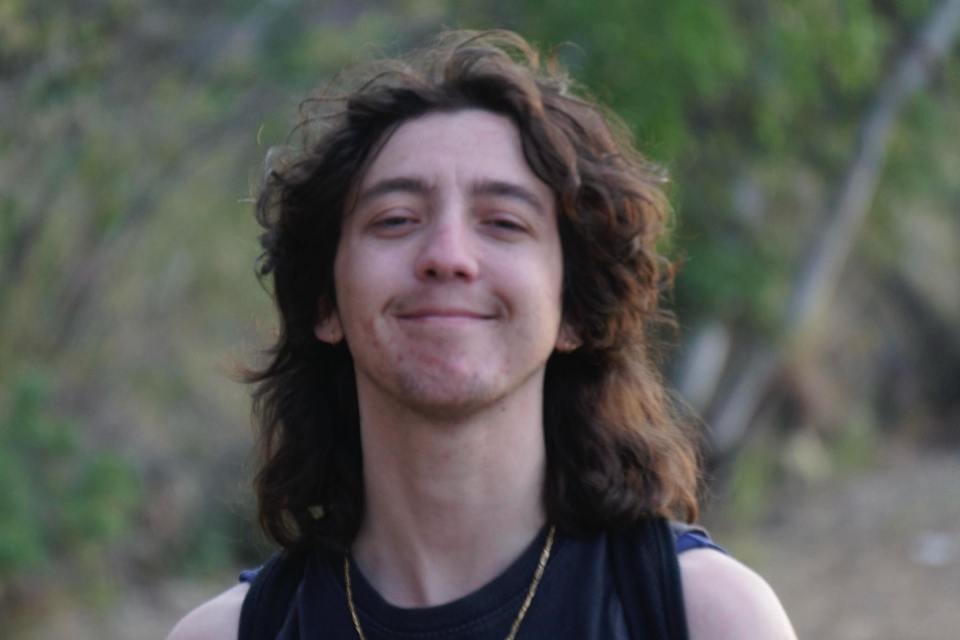 A submitted photo of Ju Orthlieb.
Orthlieb said through research, they found a surgeon they wanted to see in Montreal and, after reading the NWT’s guidelines, understood the territory would cover the cost of surgery.
Orthlieb said they also found a nurse in the territory who was willing to help them through the process.
“There’s a lot of steps and a lot of documents, and it’s nice to be with someone that is involved in the process to make sure nothing gets lost along the way,” they said.
Advertisement.
Advertisement.
After being accepted for surgery in Montreal, however, Orthlieb learned the territory would not cover the cost. They said at that point, they did not want to restart the process.
“The dysphoria and this whole process has been very taxing, so it’s not really something that I would’ve been, I think, able to take on,” they said.
Wait times to get gender-affirming surgeries in Alberta can be long, among other challenges.
“I don’t think it’s a walk in the park,” Orthlieb said.
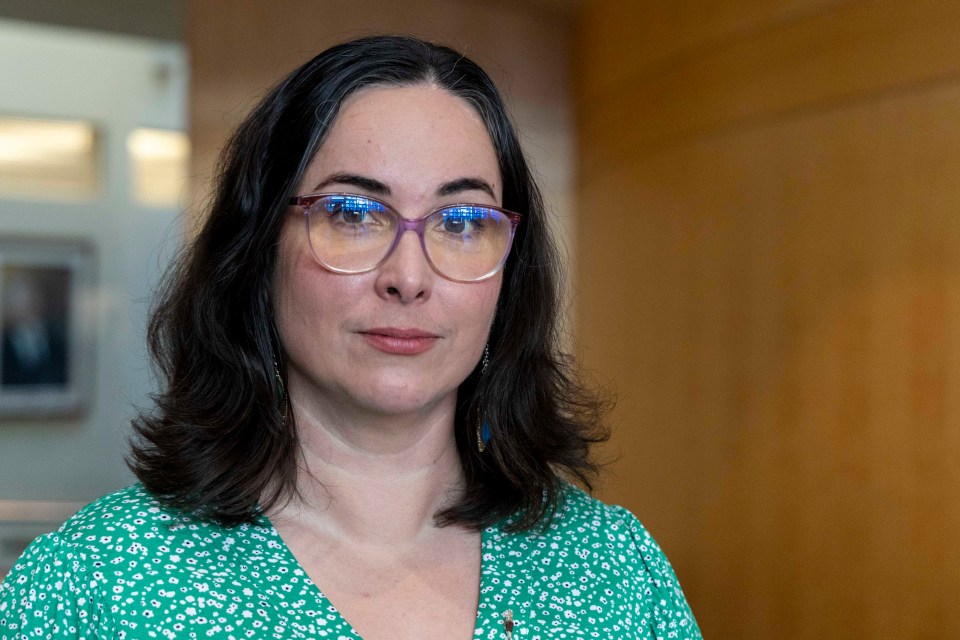 Kate Reid. Ollie Williams/Cabin Radio
Great Slave MLA Kate Reid referenced Orthlieb’s experience in the legislature last month, saying the NWT’s guidelines could not address their healthcare needs “in a timely and safe way.”
“Let me be crystal clear, this is lifesaving care,” Reid said. “We need to avoid the endless cycle of crowdsourcing funding for what should be publicly available.”
She pointed to regulatory changes the Yukon government made in 2022, allowing coverage for gender-affirming care at private facilities.
Responding to questions from Reid, health minister Lesa Semmler said “work to explore gender-affirming care navigation support is under way” in the NWT, in collaboration with the Northern Mosaic Network.
Advertisement.
Advertisement.
She said improving access to quality, equitable care is a priority, including for transgender, non-binary and gender-diverse people.
Reid said she was “hopeful for positive outcomes” from a working group set to convene in 2026 and examine the NWT’s guidelines.
Report’s recommendations
The new report includes 11 recommendations from patients and caregivers and seven recommendations from healthcare providers.
One of the recommendations is to establish a gender clinic in the NWT to reduce the need for out-of-territory medical travel.
Smith said that could include having specialists, like pediatric endocrinologists, visit the territory – or establishing a specific space where staff are trained in providing gender-affirming care.
Smith said some study participants shared challenging interactions not only with healthcare providers but also on the administrative side.
Other recommendations include developing an implementation plan for the guidelines, comprehensive coverage, regular training, establishing a healthcare navigator, referral options to places other than Alberta, and updating the NWT’s electronic medical record system so it includes more options than M and F.
Smith said she expects the final report will be publicly available in the coming weeks.
Advertisement.
Advertisement.
“I really hope that people take the time to read it because there’s a lot of quotes from people that we interviewed,” she said. “I think hearing about people’s experiences in their own voices is really important.”
Hunter said with the rise of anti-transgender hate, it’s important that this type of research is conducted to try to improve care.
“I hope that even just seeing this kind of research is being done, that it can uplift people who are maybe feeling a little bit doom-and-gloom about everything that is happening in the world,” Hunter said.
“There is still good work being done. There are still people trying to make progress happen and to make sure that people are able to access care.”
With reporting from Aastha Sethi.
Related Articles