
There is something special about flying a drone that you rarely get from any other gadget.
It’s a mix of control and creativity; a balance between trust and instinct. For many beginners, that feeling often sits behind a wall of fear because most drones look complicated or intimidating.

The DJI Neo 2 tries to remove that barrier by being extremely lightweight, very easy to use, and designed for people who want to start capturing aerial shots without a long learning curve.
Fast and stress-free setup experience
Setting up the DJI Neo 2 is straightforward from the moment you lift it out of the box. The essentials are already attached.
There is no complicated assembly and no moment where you feel unsure about whether you placed something correctly. Even if you have never flown a drone before, the app gives clear instructions that guide you through each step.
The best part is how quickly you can get it airborne. Many drones require calibration, adjustment, or balancing, which can take time when you are shooting alone.

The Neo 2 keeps the process light and fast. Beginners will appreciate how it eliminates the feeling of doing something wrong. Meanwhile, experienced users will enjoy how little downtime it creates on set.
There is one thing to keep in mind, though. The app-only setup and control still feel limited.
@gadgetmatch Unboxing the DJI Neo 2 🫶 #foryou #fyp ♬ original sound – GadgetMatch
When we relied entirely on the smartphone instead of the RC controller, the drone occasionally drifted or performed slight movements without being prompted.
It’s not unsafe, but it’s unpredictable enough to make you switch back to the controller immediately. It’s clear that the Neo 2 is at its best when paired with the RC controller rather than being used independently.
Tiny drone built for big adventures
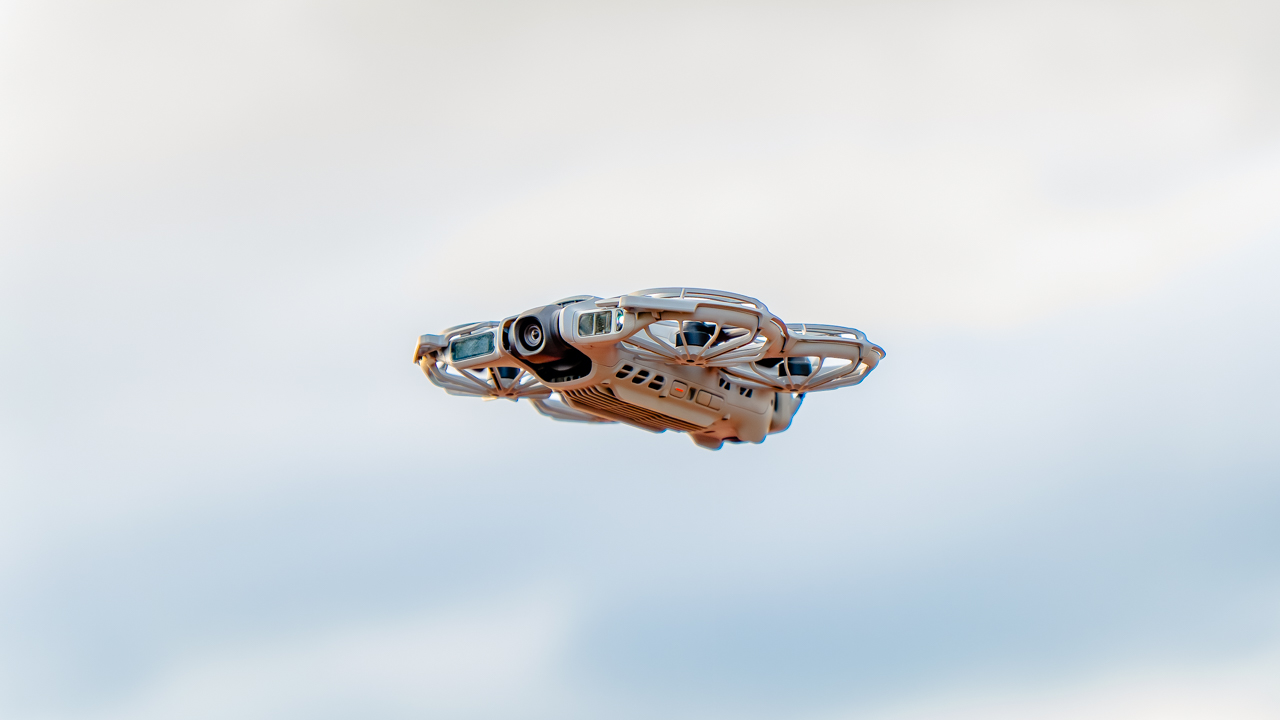
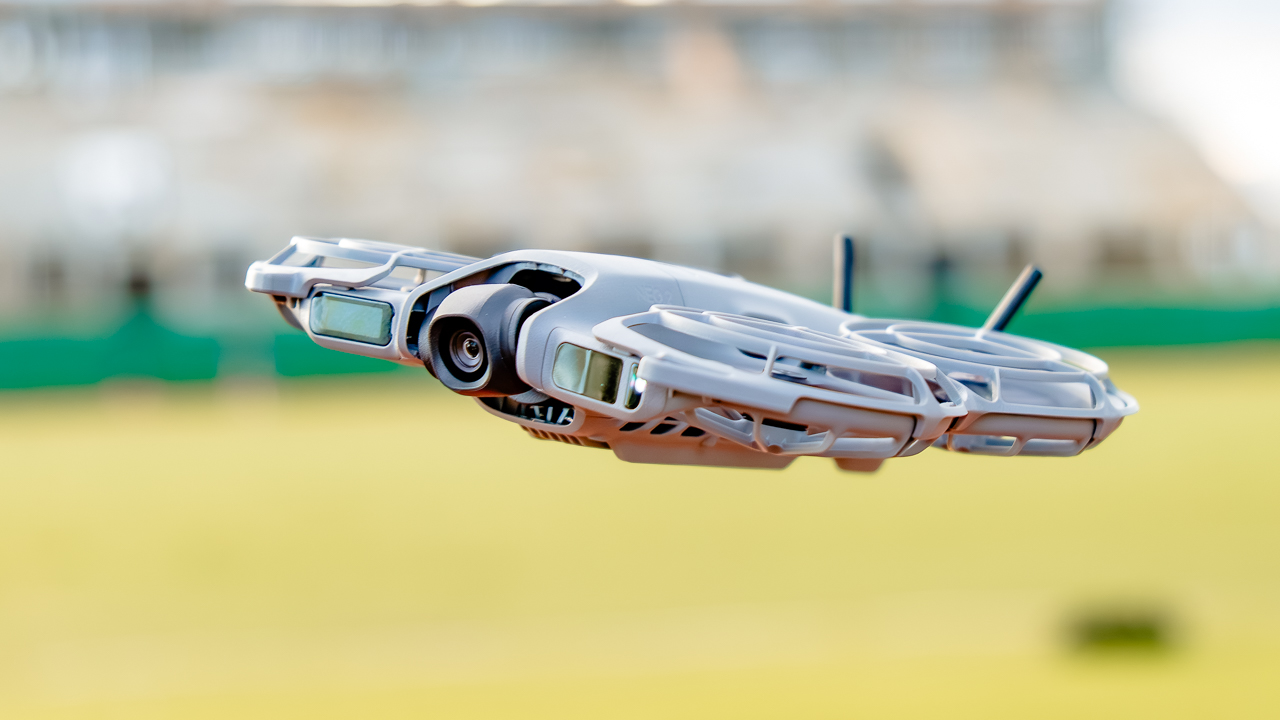
The Neo 2 keeps things light. It is small enough to slip into a travel bag without effort and light enough to carry around all day without thinking about it.
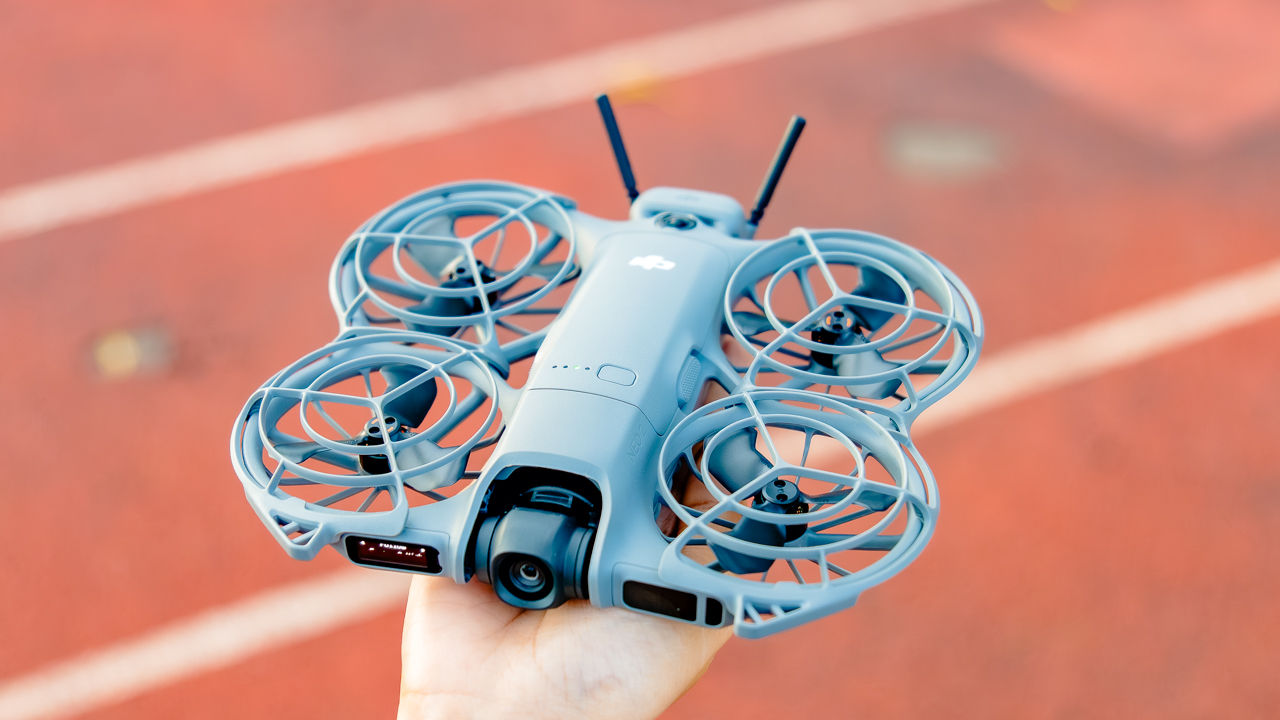
The design leans toward convenience, which is perfect for beginners and travelers. The built-in propeller guards make it less stressful to use in tighter areas or in locations with people nearby.

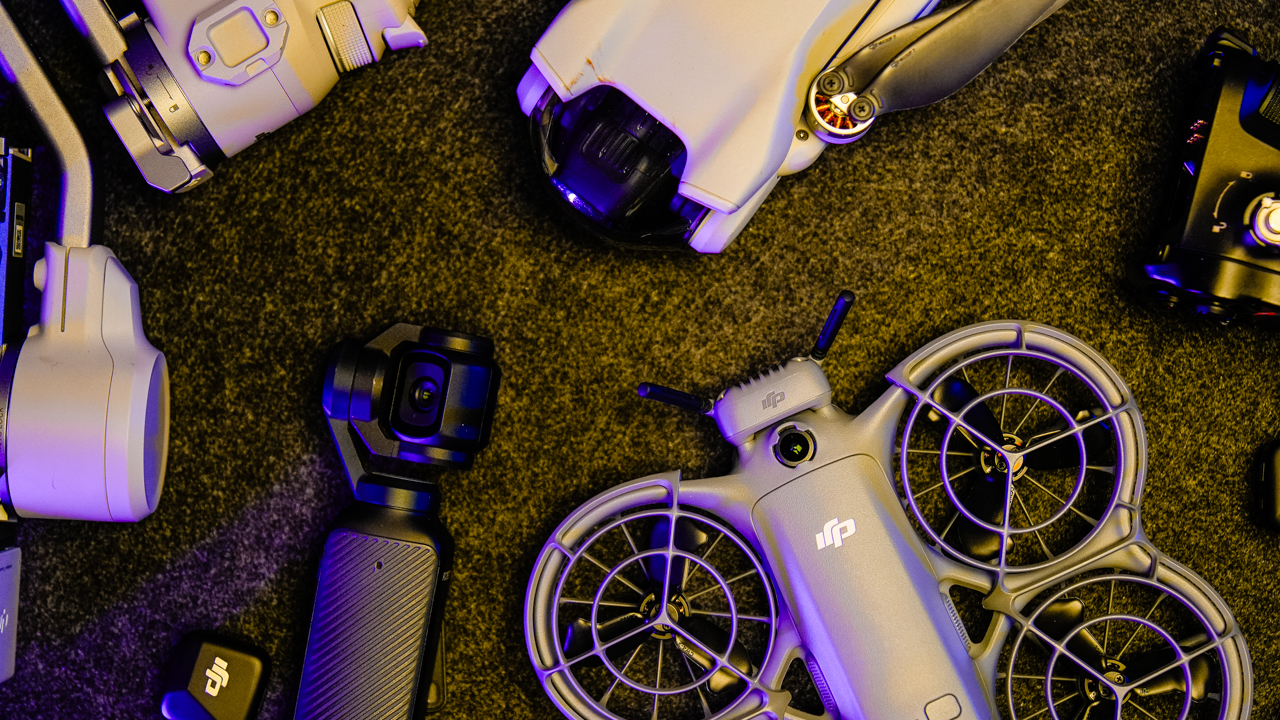
Compared to something like the DJI Mini 3 that we use, the Neo 2 feels more compact and easier to bring. It doesn’t demand a bulky case and can fit into the pockets and pouches already in your bag.
Despite being small, the drone doesn’t feel fragile. The materials are solid, and the protected propellers provide a sense of safety.
It still produces noticeable noise when flying, although not enough to interrupt a scene or disturb people the way larger drones might.
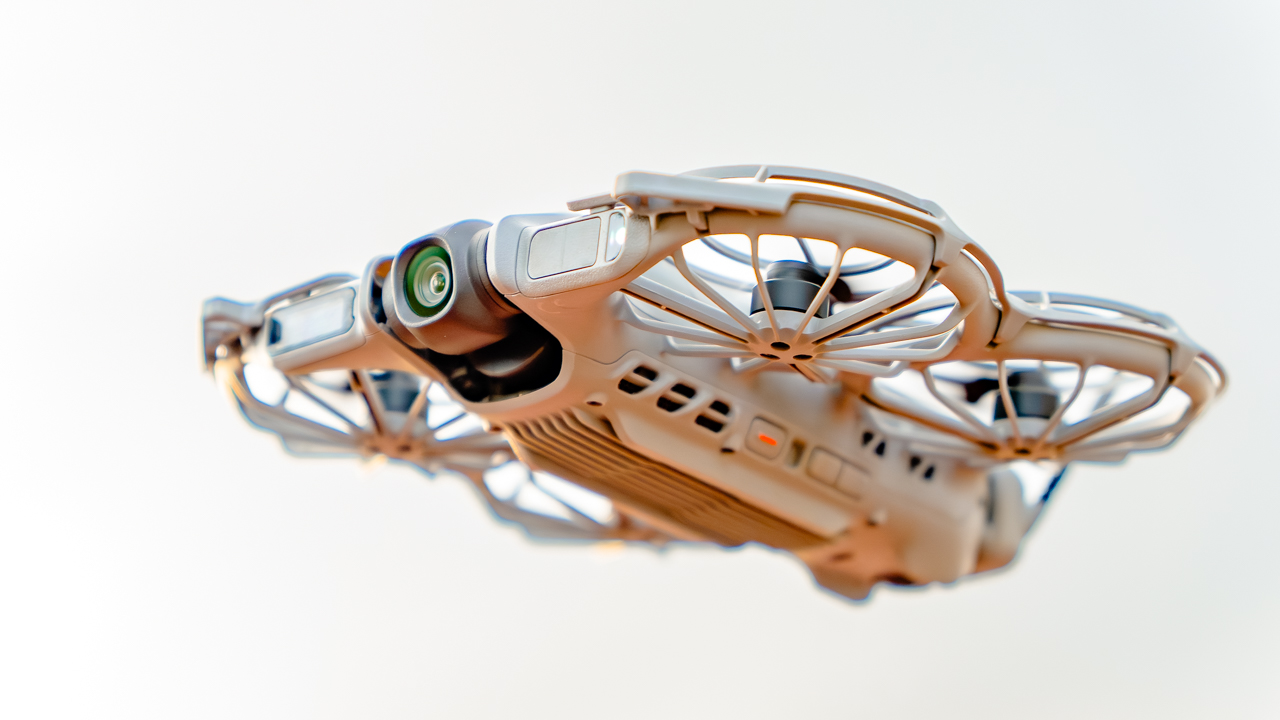
The lightness creates both convenience and compromise. It helps with portability, but it also means the drone is more sensitive to strong wind.
Though, the Neo 2 remains stable in mild conditions, but extremely windy environments are not ideal for a drone of this size.
Smooth, steady flying
If you stick to the RC controller, the flight performance feels confident and reliable. The controls respond instantly.
Takeoffs are smooth, landings feel steady, and the drone handles mid-air adjustments with ease. For a lightweight model, the stability is impressive.
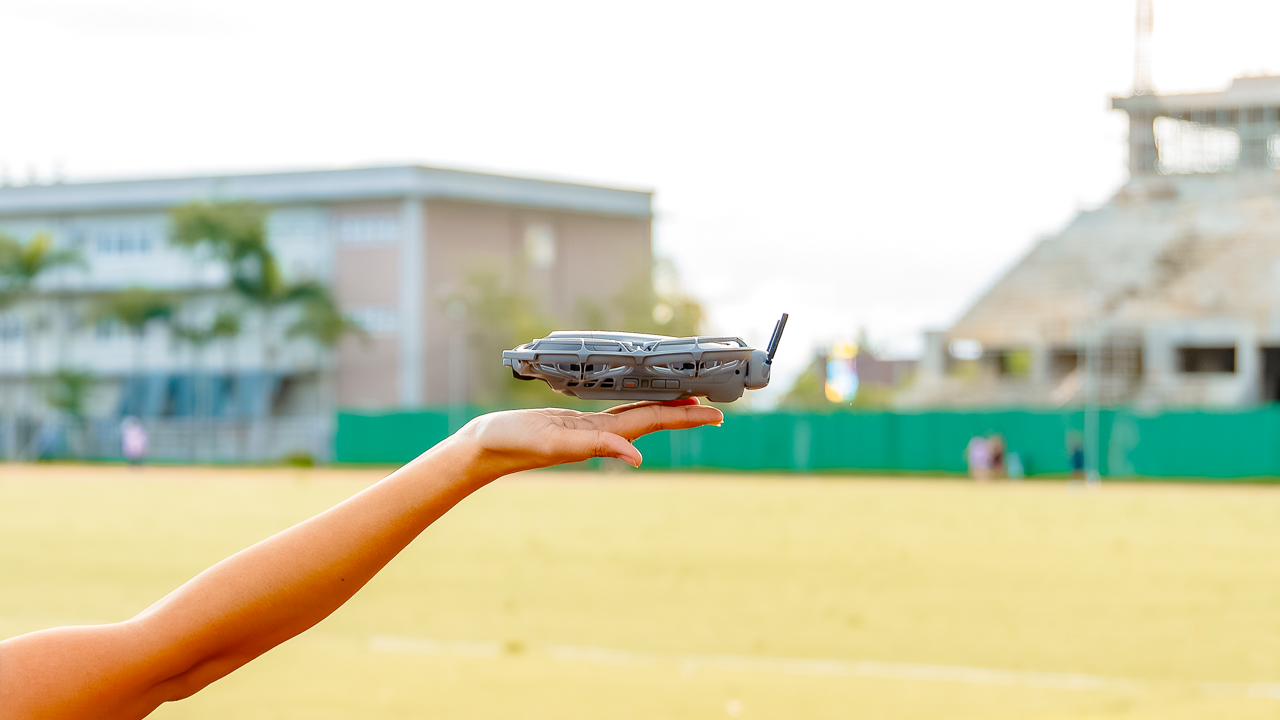
The Neo 2 is not designed for aggressive flying or extreme distances. It thrives in controlled environments such as parks, beaches, small event venues, or tourist spots.
It’s agile and quick when needed, yet it avoids feeling overly sensitive. This is where the drone succeeds: It keeps the learning curve gentle while still giving creators the freedom to move.
There is a different experience when switching to app-only control or gesture mode. The drone sometimes shifts slightly even when the subject is not moving.
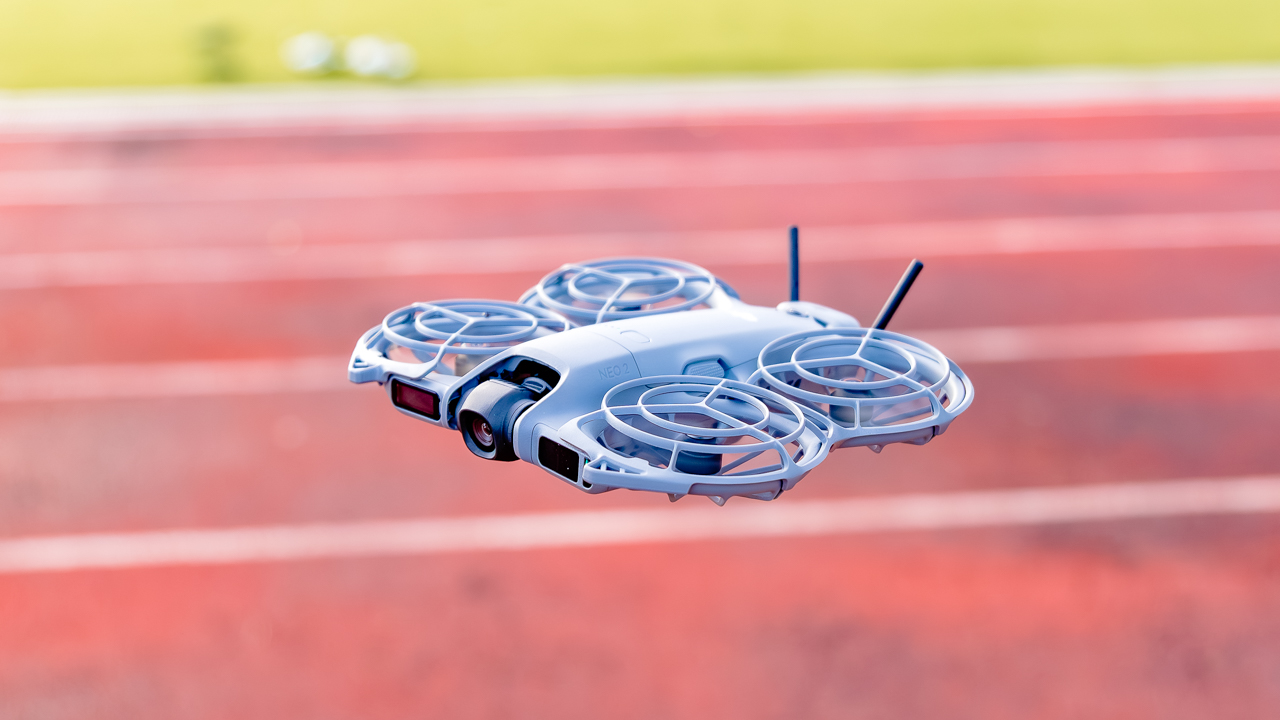
These micro-movements are not dangerous but they make the drone feel less predictable. New users might find this unsettling.
Also, gesture and app control feel like playful features rather than tools for serious shooting. But overall, the Neo 2 flies well within its intended conditions.
If you want stable and responsive performance for simple to moderate shots, it surely delivers.
@gadgetmatch Flight test with the DJI Neo 2 #djineo2 #djineo #dji ♬ original sound – GadgetMatch
Better-than-expected footage
The camera on the Neo 2 delivers much better output than expected for its size. Our footage looked sharp without feeling harsh; colors appeared vivid and lively.
The contrast leans slightly stronger than neutral, although it remains pleasing for most lifestyle, travel, or social content.
It will not outperform larger drones with bigger sensors, but it produces footage that is perfectly usable for everyday shooting.
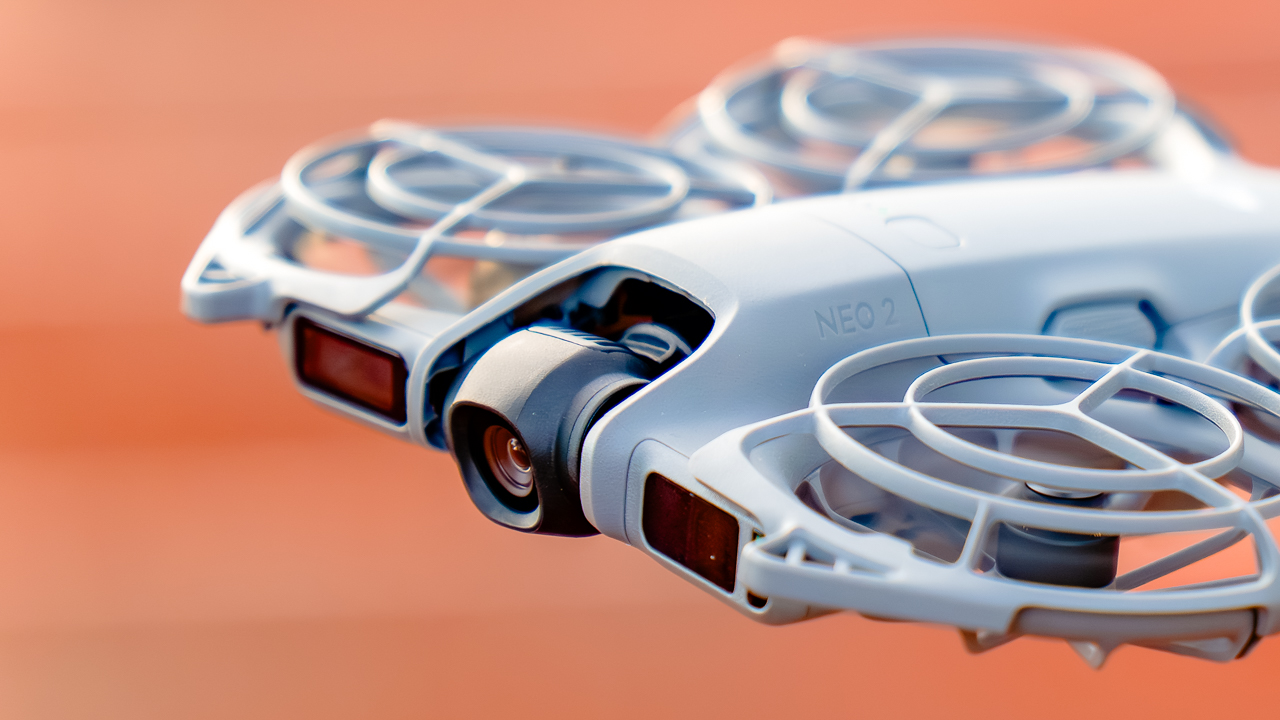
The dynamic range feels average, though. It handles highlights well enough and keeps shadows from breaking down too quickly.
In daylight, the Neo 2 captures scenes that look polished and clean. The drone also handles fast-moving subjects without smearing or losing clarity.
Low light is where it reaches its limit. As soon as the environment gets darker, the image loses sharpness and detail. Though, this is expected from a drone its size.

If your shooting habits revolve around golden hour, indoor events, or nighttime flights, you will notice the compromise.
But if most of your aerial shots are done in daylight, the Neo 2 performs exactly as needed.
Useful tools with a few playful extras
DJI packed several features into the Neo 2 to make flying easier.
From Subject tracking, to obstacle avoidance, and automated flight modes — they all work well.
We found subject tracking particularly useful because it reduces the pressure of managing framing manually. The drone stays aware of movement and adjusts its position to maintain a steady shot.
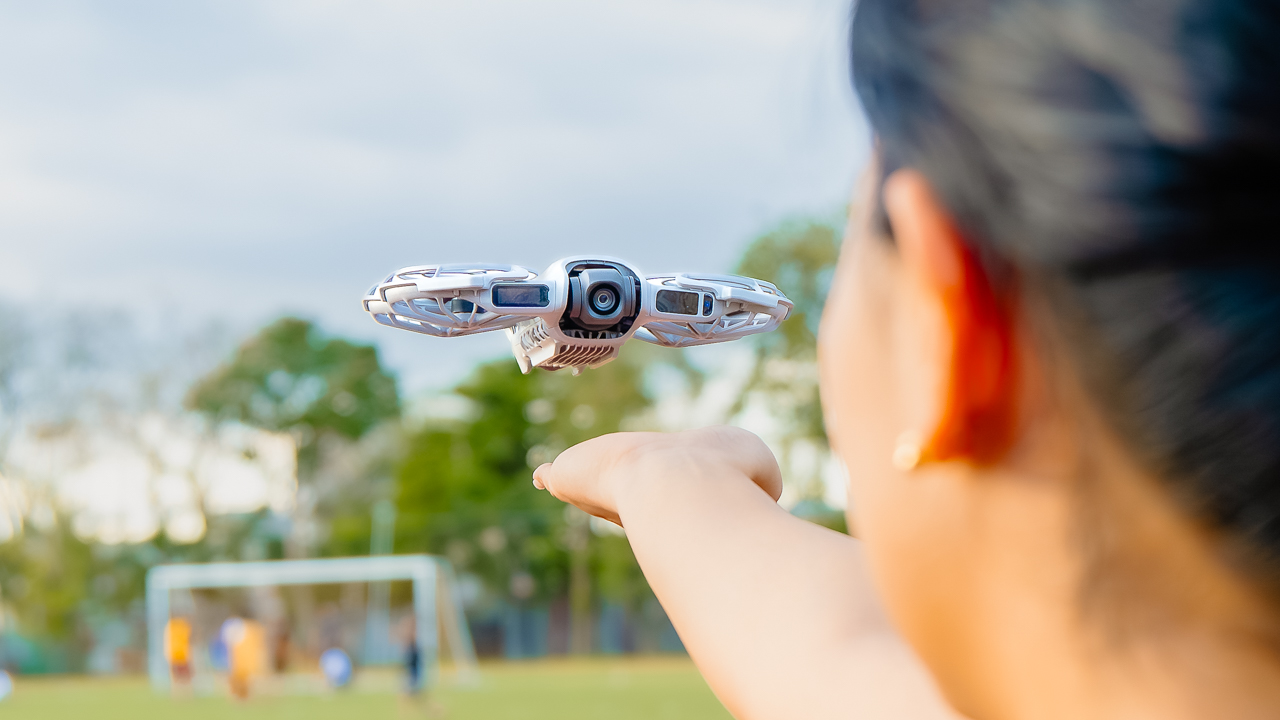
Meanwhile, Obstacle avoidance also helps maintain confidence when flying near structures or in tighter areas.
In our experience, Gesture and voice control are the fun features that most people experiment with once or twice. They function as intended, although they are not as reliable as traditional controls. Frankly, we believe they are best used for casual moments rather than professional content.
If your goal is to shoot quickly and accurately, you will always return to the RC controller.
The intelligent features add value to the Neo 2, especially for beginners who want support while learning. They give the drone personality while keeping the experience practical.
Best in quick bursts?
Battery life remains the Neo 2’s biggest limitation. Each battery lasts around thirteen to fifteen minutes during active use.
This is enough for quick shots or small sequences, but not enough for long-distance flying or complex cinematic passes.
If you are producing a full day of content, you will need multiple batteries.
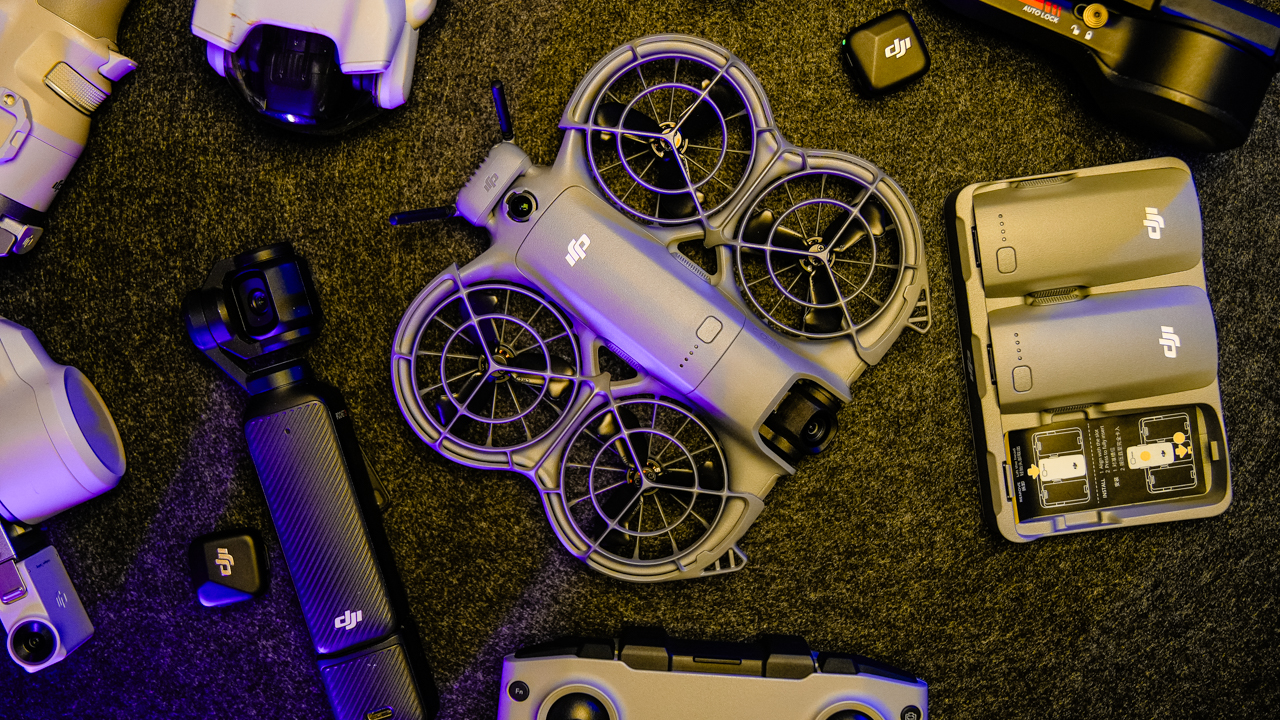
Charging takes about ninety minutes for a full cycle. The charging hub makes life easier because it allows several batteries to power up at the same time.
The convenience helps offset the short flight time, although you will still need to manage your workflow around the limited battery capacity. Simply put, the Neo 2 is a drone you fly in short bursts.
Is it safe to fly?
The drone behaves well when paired with the RC controller. The controls stay consistent and the connection remains stable. The size also makes it safer to fly in busy or narrow areas. We flew it near groups of people without causing disruption.
Signal strength becomes less dependable when flying with the app alone. Wi-Fi range limitations appear earlier, and the drone may drift slightly when relying on mobile controls.
It also tends to shift up or down during gesture mode even without obstacles. These moments are small but noticeable.
There was one connectivity issue after an app update where the RC controller stopped pairing with the drone. Switching to another phone solved the problem.
It became a reminder that software updates can sometimes produce unexpected behavior.
Despite these observations, the Neo 2 performs safely when used within its intended range and paired with its controller.
Smooth editing workflow
Transferring footage from the Neo 2 is smooth and efficient. A 15GB file transfer takes about six to seven minutes, which is quick for on-the-go shooting.
The connection between the drone and phone remains stable throughout the process, and the files stay intact with no corruption.
Editing workflow remains seamless. The footage imports cleanly into common editing software without compatibility issues. Apart from the controller detection problem after an app update, the Neo 2 keeps the post-production process stress-free.
For content creators who prioritize speed, this matters. A drone that slows down the workflow loses purpose.
The Neo 2 supports fast delivery, making it practical for travel vlogs, family videos, lifestyle content, and simple events.
Is the DJI Neo 2 your GadgetMatch?
The DJI Neo 2 stands out because it understands its role. It’s not trying to be a high-end filmmaking machine.
What it delivers is ease, portability, and confidence for people who want to start flying without fear.
It’s easily your GadgetMatch if you want a personal drone that is lightweight and reliable with a controller. It suits new creators who want to add aerial shots to their projects, and it helps travelers who pack light and want quick access to drone footage.
Also, it supports casual events and small professional projects where convenience matters more than long-distance performance.
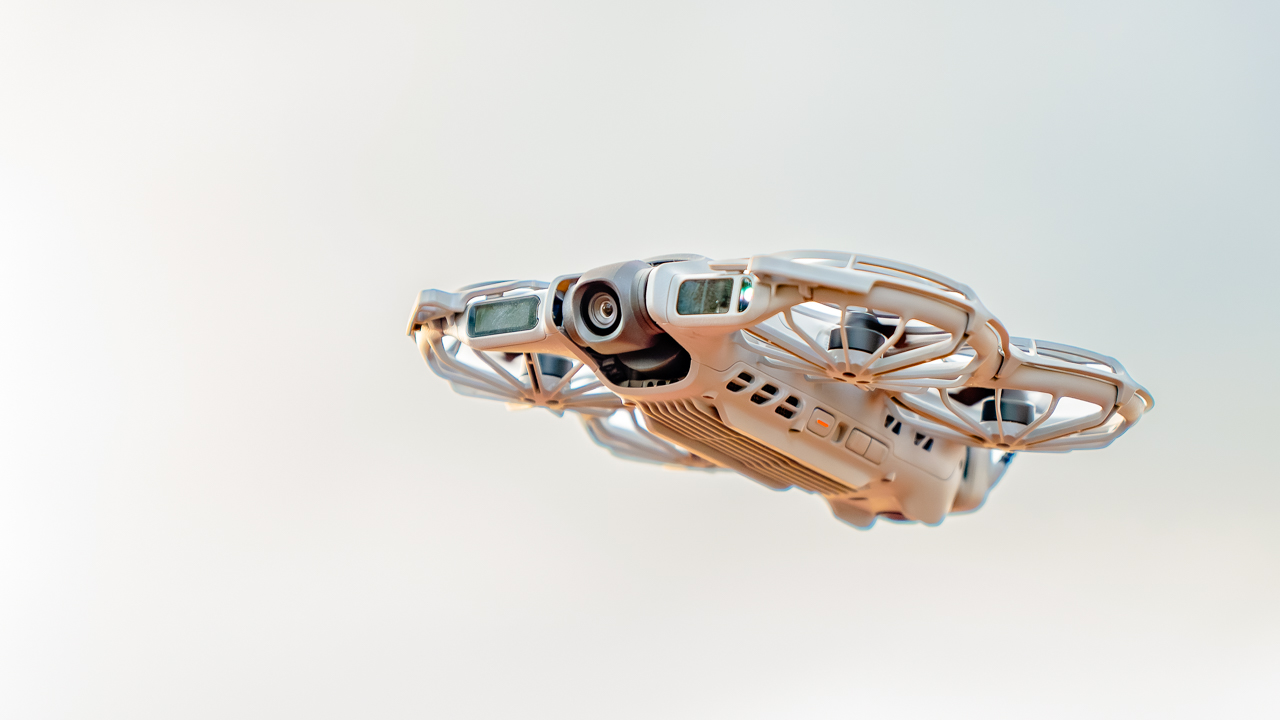
Swipe right if you want a friendly and dependable starter drone that produces good daylight footage, supports tracking and obstacle avoidance, and fits easily into your travel bag.
Swipe left if you need long battery life, advanced cinematics, or heavy-duty performance for commercial shoots. The Neo 2 is not built for extreme conditions or demanding workflows.
The DJI Neo 2 is a drone for everyday creativity. It delivers confidence, simplicity, and enough power to bring aerial storytelling into your routine. For many new pilots, this is exactly what a personal drone should be.
The DJI Neo 2 retails for PhP 12,390. To make it extra, the Fly More Combo retails for PhP 20,590 which also provides extra batteries and charging hub, along with more controls.