
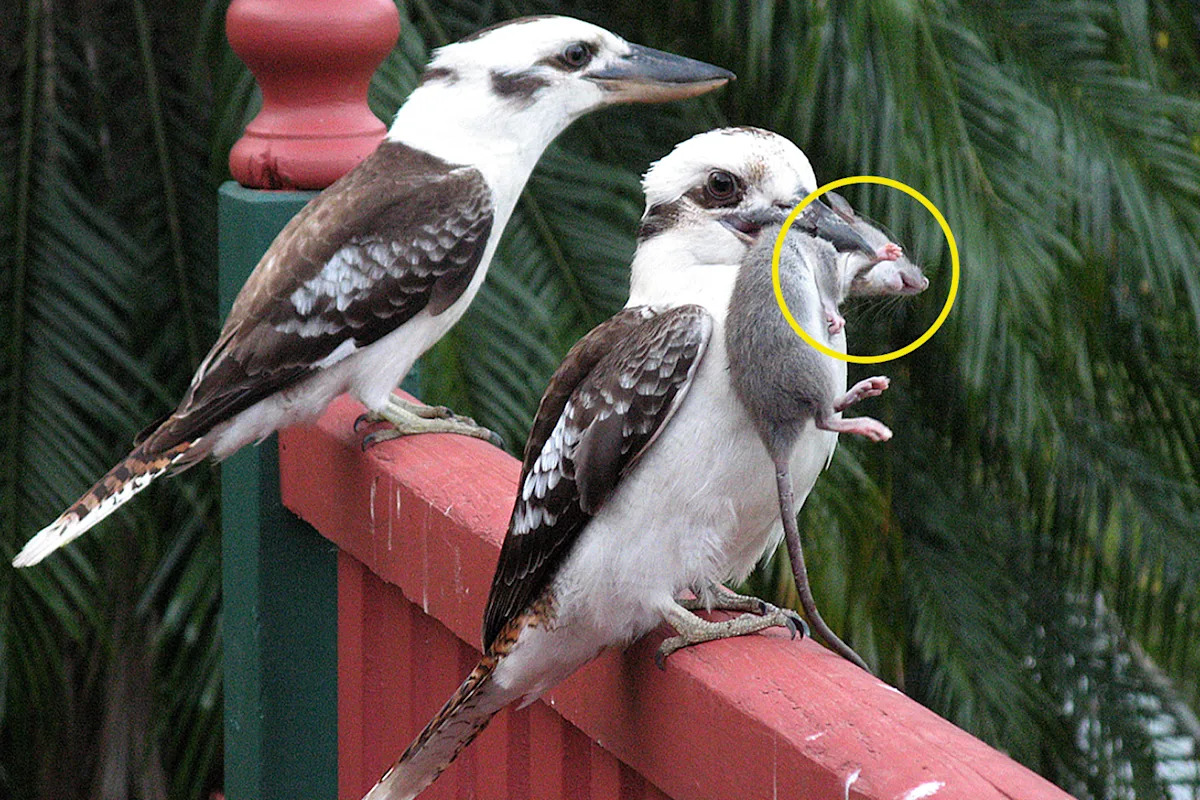
As a government decision looms on the future of rodenticides, a stark photo illustrates the risk they pose to our native wildlife. “Freely available”, the controversial products target pests like mice and rats, but can also have devastating impacts on other animals, conservationists say.
This week, a photo uploaded online showed a kookaburra clutching a deceased rodent, attracting over eight thousand responses.
The post, depicting the rat-like animal dangling from the bird’s beak, was captioned “why we don’t use poison”, pointing to the fact that countless birds and other species often die as a result of ingestion.
Speaking to Yahoo News Australia, BirdLife Australia’s Sean Dooley said the team had seen many cases of native species being killed by poisoning in recent years.
“Wildlife carers and BirdLife Australia are seeing many cases of owls and frogmouths dying of secondary poisoning after eating impacted rats and mice,” he said.
“This absolutely illustrates the risk to wildlife of second-generation anticoagulant rodenticides (SGARs) and is why BirdLife Australia is campaigning fiercely to have them tightly regulated.”
Do you have a story? Contact newsroomau@yahoonews.com
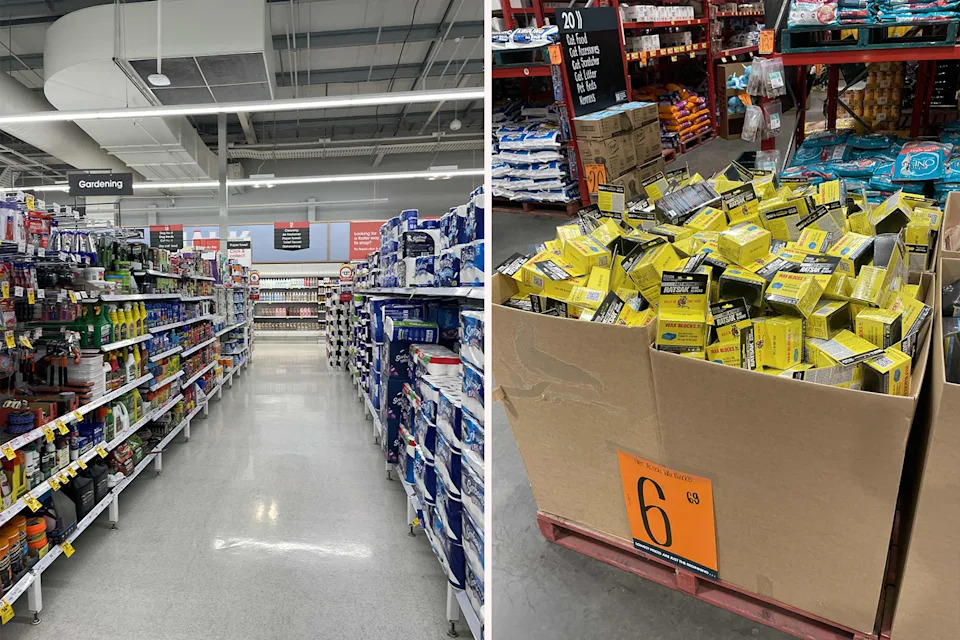
BirdLife Australia would like Australian consumers to boycott second-generation rat baits. Source: Michael Dahlstrom
Rats and mice don’t regularly feature on a kookaburras’ diet, Sean said, but they will happily feed on them if they can catch them.
“One of the problems with the second-generation rodenticides is that they don’t kill the rats and mice straight away, so you can end up with sick and dying rodents out in the open where they can be easily snatched by kookaburras, tawny frogmouths, magpies or even household pets,” he said.
“As these second-generation products don’t break down in the animals that take the bait, they soon build up to toxic levels in birds that eat affected rodents.”
Related: Aussie shoppers urged to boycott common $6 product amid toxicity concerns
Sean highlighted that SGARs are currently available for general purchase with few restrictions, and while they are technically registered, this has led to concerns over accidental wildlife poisoning and misuse.
“The government body in charge of regulating these products (the Australian Pesticides and Veterinary Medicines Authority) has been considering a decision on these products for a couple of years now,” he said.
Yahoo News Australia asked the APVMA for an update on its review. It said it intends to publish its findings later this week.

BirdLife Australia’s Sean Dooley has seem many birds die from eating poisoned rats and mice. Source: BirdLife Australia
Why are SCARs so harmful to Australian species?
Unlike the earlier products, which often required multiple feedings, SGARs can be lethal after a single ingestion and remain active in the body for weeks.
This persistence makes them extremely effective against pest rodents, but also highly dangerous to non-target species.
In Australia, the main SGARs include brodifacoum, bromadiolone, difethialone, difenacoum, and flocoumafen.
Native Australian wildlife, including birds of prey, quolls, and snakes, are particularly at risk from these poisons.
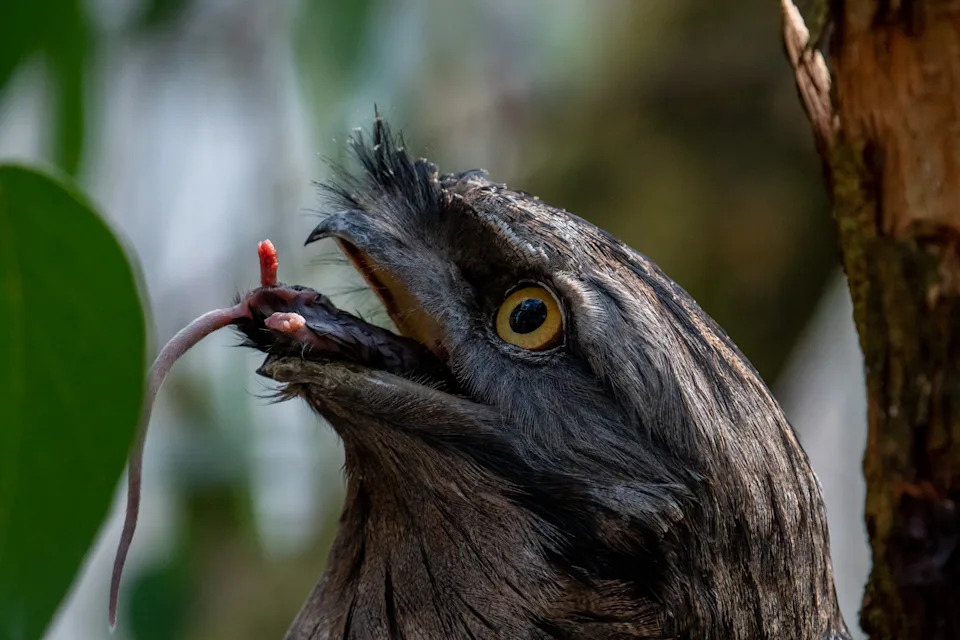
Tawny frogmouths can be poisoned after they eat rodents that have eaten SGARs. Source: Lukasz Halbryt
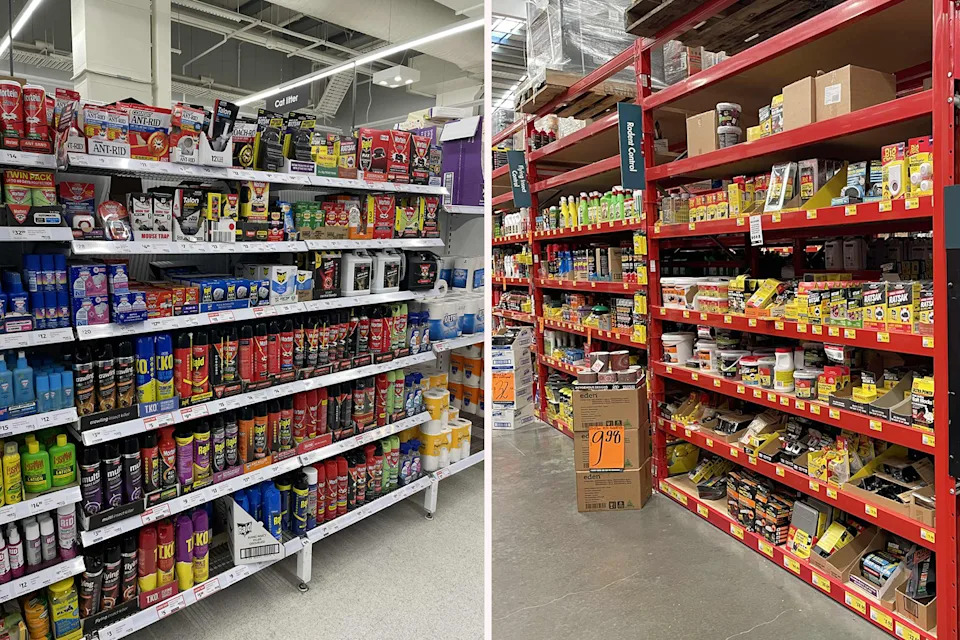
Retailers stock first and second generation products on the same shelves. Source: Michael Dahlstrom
They can be killed either directly by eating the bait or, more commonly, secondarily by consuming poisoned rodents.
Because SGARs stay in the tissues of rodents long after ingestion, predators that feed on them accumulate the toxin in their own bodies, often resulting in fatal internal bleeding.
Even small doses can be deadly, and because these poisons stay in the environment, repeated exposure magnifies the risk to native species.
The widespread availability of SGARs in hardware stores and online has raised concerns among conservationists, who argue that while the chemicals are technically regulated, the minimal practical restrictions allow for accidental misuse.
Love Australia’s weird and wonderful environment? 🐊🦘😳 Get our new newsletter showcasing the week’s best stories.
