
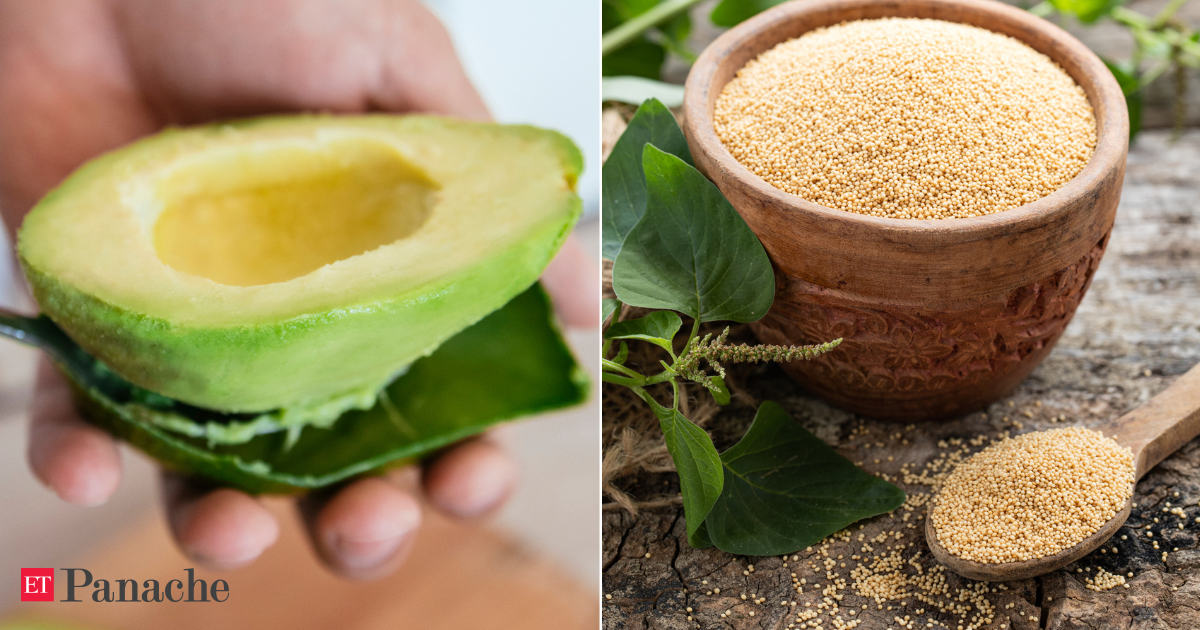
A video post by Delhi-based Surgical Gastroenterology Specialist Dr Anshuman Kaushal, known on Instagram as @theangry_doc, is stirring conversation about the booming superfood trend and why it may be more hype than health. In a post shared through his Instagram, the Indraprastha Apollo Hospital expert argues that food fads like chia seeds, quinoa, apple cider vinegar and avocados are driven largely by marketing, not science.
Superfoods: A Trend Built on Advertising, Not AnatomyDr Kaushal says the idea that one exotic ingredient can transform metabolism is misleading, noting that the American Dietetic Association has clarified that there is no scientific definition of a superfood. Human physiology, he emphasizes, relies on networks of nutrients working together, including fibers, micronutrients, amino acids, fats, gut bacteria and enzymes.
Breaking down common myths, he states that chia seeds do not burn belly fat beyond the benefits of regular fiber, and that no randomized clinical trial has shown apple cider vinegar producing meaningful fat loss. Referring to research highlighted in his post, he adds that fat loss results from calorie deficit and muscle mass, not shortcuts.
Avocado Worship Challenged: Indian Alternatives Offer Better BalanceThe post challenges the widespread belief that avocado is the superior heart healthy food. While it contains monounsaturated fats, he highlights that everyday Indian foods such as mustard oil, sesame, groundnuts, almonds and walnuts offer an equal or better MUFA PUFA profile, along with vitamin E and omega 3 precursors. He points out that no clinical trial shows avocados outperforming native oils and nuts in reducing cholesterol, calling the craze “marketing induced elitism”.
He also debunks the idea that quinoa is a protein powerhouse, noting that one would need to consume 700 to 800 grams of it to match the protein content available in paneer or chicken, making it an impractical option.
The Real Indian Superfoods Already in the KitchenInstead of imported solutions, Dr Kaushal highlights nutrient dense Indian staples including dahi for natural probiotics, moringa and millets for metabolic improvement, banana for fluid balance, nuts and seeds for lowering LDL cholesterol, and lentils for better gut fermentation. Mustard oil, he adds, offers a stable fatty acid profile and strong monounsaturated fat content. Quoting the Harvard School of Public Health, Dr Kaushal reminds viewers that overall dietary patterns determine health outcomes more than any individual food. A Call for Simplicity Over HypeThe message is clear: foods requiring aggressive marketing may not be truly beneficial. Traditional everyday foods, consumed intelligently, may offer better and more sustainable health advantages.
Dr Kaushal is a leading Minimal Access and Surgical Gastroenterology Specialist at Indraprastha Apollo Hospitals with over 24 years of clinical experience, known for expertise in bariatric and laparoscopic procedures.
The post ends on a pointed note, suggesting that if a food were genuinely miraculous, generations before modern advertising would have already celebrated it.
Add  as a Reliable and Trusted News Source