
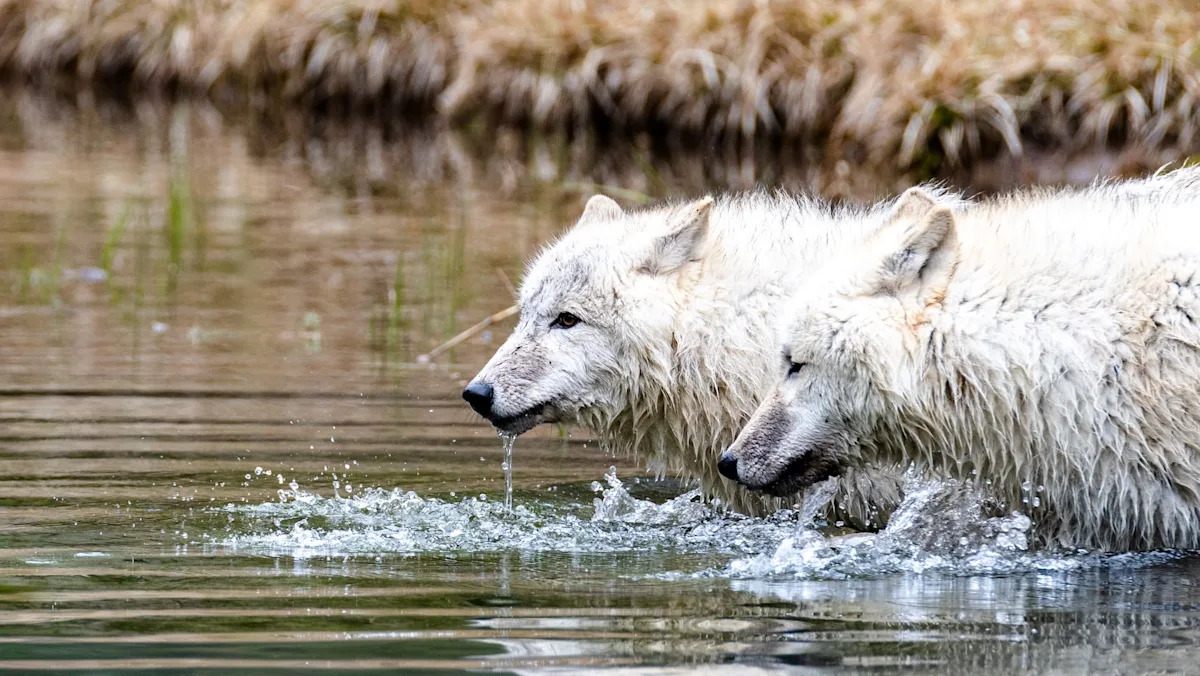
Mercury-poisoned wolves in Alaska are providing evidence about how the heavy metal can travel through the atmosphere and show up in the food chain, according to findings published by Mongabay and ScienceDirect.
What’s happening?
State wildlife and academic experts studied an emaciated, dead wolf and found astounding mercury levels in its liver. The researchers compared the sample, along with bloodwork from recently trapped wolves, with saved samples starting from 2000 to gain perspective on how the mercury is spreading, according to Mongabay.
A pack from coastal Pleasant Island, and another one a mile away at Gustavus Forelands on the mainland, were studied. The commonality? Both groups feed on sea otters, which seem to be collecting mercury by eating mussels, clams, and sea urchins that contain the metal.
Fascinatingly, the island wolves swam there in 2013 and decimated the deer herd before switching to a menu based on sea otters. The otters have rebounded thanks to conservation efforts, and they are easier to kill than moose and other prey, the Mongabay story continued.
The mercury levels were so high that “at first we thought the instrument was malfunctioning,” study co-author Ben Barst, an assistant professor with the University of Calgary, said in the report.
Why is mercury poisoning alarming?
Mercury in the atmosphere is 450% “above natural background levels,” mainly from human activity such as burning fossil fuels for energy, the experts wrote in the summary, per ScienceDirect.
Watch now: Giant snails invading New York City?
When it enters water systems, it’s converted into the neurotoxin methylmercury. Then, it works its way up the food chain, starting with small prey species. The accumulation of the toxin is significant by the time it reaches larger animals, as evidenced by the sea otters and wolves, Mongabay reported.
The canine contamination is similar to the mercury levels in a polar bear — an animal that eats plenty of seafood, too. The bears are also experiencing hardship from ice loss in their habitats. And researchers elsewhere are studying how changing weather is altering deer migration patterns, as other examples of how human activity is impacting more and more species.
What can be done to help?
A hastened, worldwide clean-energy transition in transportation and electricity production can reduce emissions of mercury and other harmful, planet-warming pollutants.
Exploring climate topics and how our actions impact the critters we share Earth with can help you make informed, planet-friendly decisions. Spotlighting the subject with friends and family increases community knowledge about the issues, as well.
A small group of like-minded people can create positive change locally. Starting a recycling program in your community or organizing a roadside trash pickup are ways to help.
Join our free newsletter for good news and useful tips, and don’t miss this cool list of easy ways to help yourself while helping the planet.