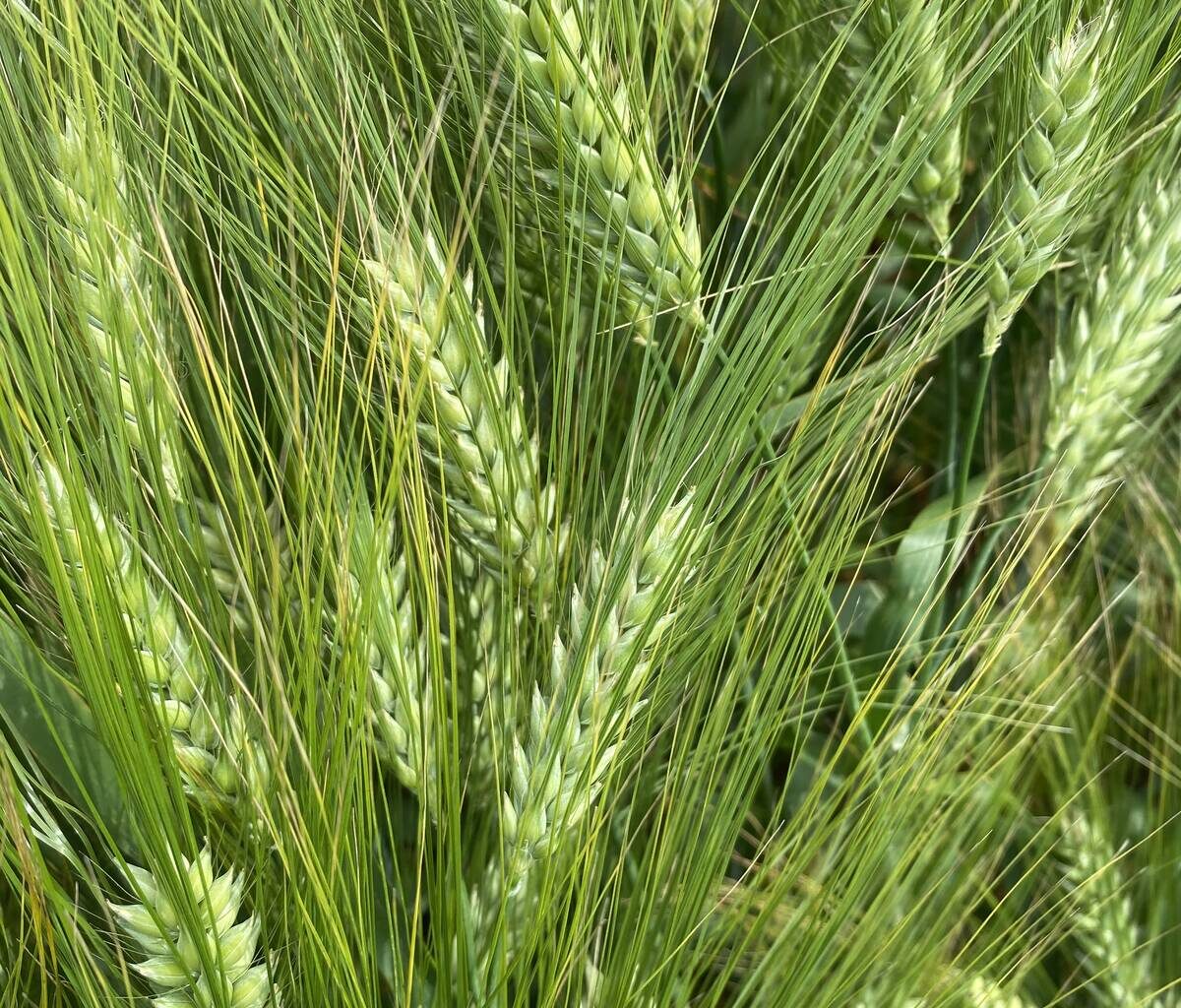
SASKATOON — Canadian barley growers have another market to sell to in 2025-26.
Canada shipped 72,000 tonnes of the crop to Saudia Arabia in September, the first exports to that market since 2016-17.
The country stopped buying Canadian grain in 2018 in response to a diplomatic dispute between the two countries after Canada’s foreign affairs minister criticized the arrest of activists in Saudi Arabia.
Read Also
Indigenous initiative targets solid foundation
National Circle for Indigenous Agriculture and Food, which works with many opportunities for Indigenous agriculture finds it’s critical to start the project at the size a community can support it.
Diplomatic relations were restored in 2023, and grain trade between the two countries is slowly being reinstated.
Why it Matters: Sales to China have been restricted since Australia got back into that market.
Saudi Arabia was once the world’s biggest barley importer. The Middle Eastern country often bought eight to nine million tonnes of the cereal crop in any given year, with sales peaking at 11.2 million tonnes in 2015-16.
However, it is importing far less these days. The U.S. Department of Agriculture is forecasting 3.8 million tonnes in 2025-26.
Peter Watts, managing director of the Canadian Malting Barley Technical Centre, said the Saudi government used to heavily subsidize imports of feed barley.
The country’s large Bedouin population regularly fed the crop to their sheep and goats.
However, that source of demand has subsided.
“They realized that buying raw barley and feeding it to the animals is not the most efficient way to feed livestock,” he said.
The government started encouraging importers to bring in compound feeds instead, which have a more balanced nutrient profile.
The Middle Eastern country still imports a lot of feed barley, although China has now overtaken the Saudis as the world’s largest buyer.
Watts said any sale to Saudi Arabia is helpful, given that Canadian farmers harvested a big crop.
Statistics Canada pegged the crop at 8.23 million tonnes in its September estimate, but some in the trade believe that number will top nine million tonnes when the final estimate is released Dec. 4.
Canada has exported 1.16 million tonnes of barley through week 16 of the 2025-26 campaign.
“That’s a good export pace,” he said.
“I expect it will slow now a bit, but it’s a good start to the year.”
He suspects the Saudi Arabia sale happened in April when there was a spike in European Union barley prices due to a crop scare, while Canadian prices had dropped and the Black Sea was running out of old crop supplies.
The stars only aligned for a few weeks, but that was enough to make a sale.
“I wouldn’t think we would be competitive now into the Middle East or Saudi Arabia at this time,” he said.
Exporters in the Black Sea, the European Union and Australia all have a freight advantage into the Middle East.
“It’s not a super easy market for us to sell into, obviously, from a logistical standpoint,” said Watts.
However, there are times where Canada is quite competitive into that market. Exports to Saudi Arabia topped 700,000 tonnes in 2007 and 2008.
The most recent export program was 2016-17 when Canada shipped 132,000 tonnes to that market, which was nine per cent of that year’s total exports.