
Welcome back to Lately, The Globe’s weekly tech newsletter. This week, it’s me (Jacob Dubé) taking the reins as Samantha escapes the start of Canada’s cold weather. I’m a community editor on the audience team here at The Globe, and also write the Real Estate newsletter. As always, if you have feedback or just want to say hello to a real-life human, send Samantha an e-mail.
In this week’s issue:
👵 How screen time is affecting seniors
🫧 How the AI bubble will pop
🗼 The dangers of cellphone dead zones
🧌 Why you might have a crush on Netflix’s Frankenstein
SCREEN TIMESeniors are spending more time online. Is that harmful for their brain health?
Growing up, our parents and teachers repeatedly warned us of the dangers of screens, how video games and the internet would rot our brains. But screen addiction isn’t just for the teens of TikTok or Gen Alphas on Roblox – more seniors than ever are spending a worrying amount of time on their phones. According to Statistics Canada, seniors aged 65 and older are going online: 82 per cent in 2022, up 6 per cent from 2020. For those 75 and older, it’s 72 per cent, an increase of 10 per cent. About half of seniors say they use an instant messaging app, such as WhatsApp, while 44 per cent watched videos online.
Lately’s very own Samantha Edwards spoke to Toronto neurologist Howard Chertkow to find out how all this increased screen time could affect seniors’ brain health. Puzzles and brain games could be doing some good. But those 10-hour YouTube rabbit holes? Not so much.
Are you reading this newsletter on the web or did someone forward the e-mail to you? If so, you can sign up for the Lately newsletter.ARTIFICIAL INTELLIGENCEWhat you need to know about the AI bubble – and how it will popOpen this photo in gallery:
Chewing gum makes robots less intimidating, IMO.iStockPhoto / Getty Images
There are increasing signs that a bubble is forming around the artificial intelligence industry. Investors believe generative AI will usher in a new economic age and have been dumping money into the production of more powerful AI models and data centres that can handle their intense processing needs. And as Joe Castaldo writes, some companies are spending millions buying land and building data centres to some day make billions handling the demands of the latest AI – and making no money at all in the meantime.
As the financial returns of AI remain deeply uncertain, some of the biggest names in tech have even acknowledged the likelihood of over-investment in the industry. While history may not always repeat, it is full of booms and busts. Railways, electricity and the internet all changed the world, but not without financial carnage along the way. Why would AI be different?
NO SERVICEWhy Canada’s roadways are studded with cellphone ‘dead zones’Open this photo in gallery:
Willow Fiddler/The Globe and Mail
Lost tourists. Stranded drivers facing mechanical breakdowns. Victims of car accidents and collisions with wildlife. Countless Canadians across the country are affected by a silent danger on the road: cellphone dead zones. Across the country, roughly 15,000 kilometres – or 13.4 per cent – of major roads have no mobile service, according to the Canadian Radio-television and Telecommunications Commission. Four provinces consider that figure an undercount, and it also does not include thousands of kilometres of gaps on secondary roads.
As Jill Mahoney and Irene Galea write, many rural residents, provincial politicians and experts say dead zones pose unacceptable public-safety risks and are calling on the federal government to steer the expansion of mobile service to cover the country’s major roads. Do you have any roads near you that don’t get cellphone service? Click here and let us know.
What else we’re reading this week:
Kids in China Are Using Bots and Engagement Hacks to Look More Popular on Their Smartwatches (WIRED)
The VPN panic is only getting started (The Verge)
Someone Is Trying to ‘Hack’ People Through Apple Podcasts (404 Media)
Why you shouldn’t count on humans to prevent AI hiring bias (The Washington Post)
Adult Money GIFT GUIDEOpen this photo in gallery:
Wavelength by CMYK GamesSupplied
Wavelength by CMYK Games, $41.99 at jrtoycanada.ca
The Globe’s holiday gift guide is here, full of recommendations for everyone from hard-to-buy-for dads to how-long-will-this-new-hobby-last best friends. If you want a game to bring to your gatherings that’s easy to play and loads of fun, Wavelength from CMYK Games is a surefire winner. Completely ready right out of the box, Wavelength will have your friends and family arguing whether a horse is more round than pointy, or if Barack Obama is more of a geek or a nerd. The game has gone viral online as content creators make up their own categories (“red flag vs. green flag” is a personal favourite) and is sure to start a few laughs and a lot of arguments at your dinner table.
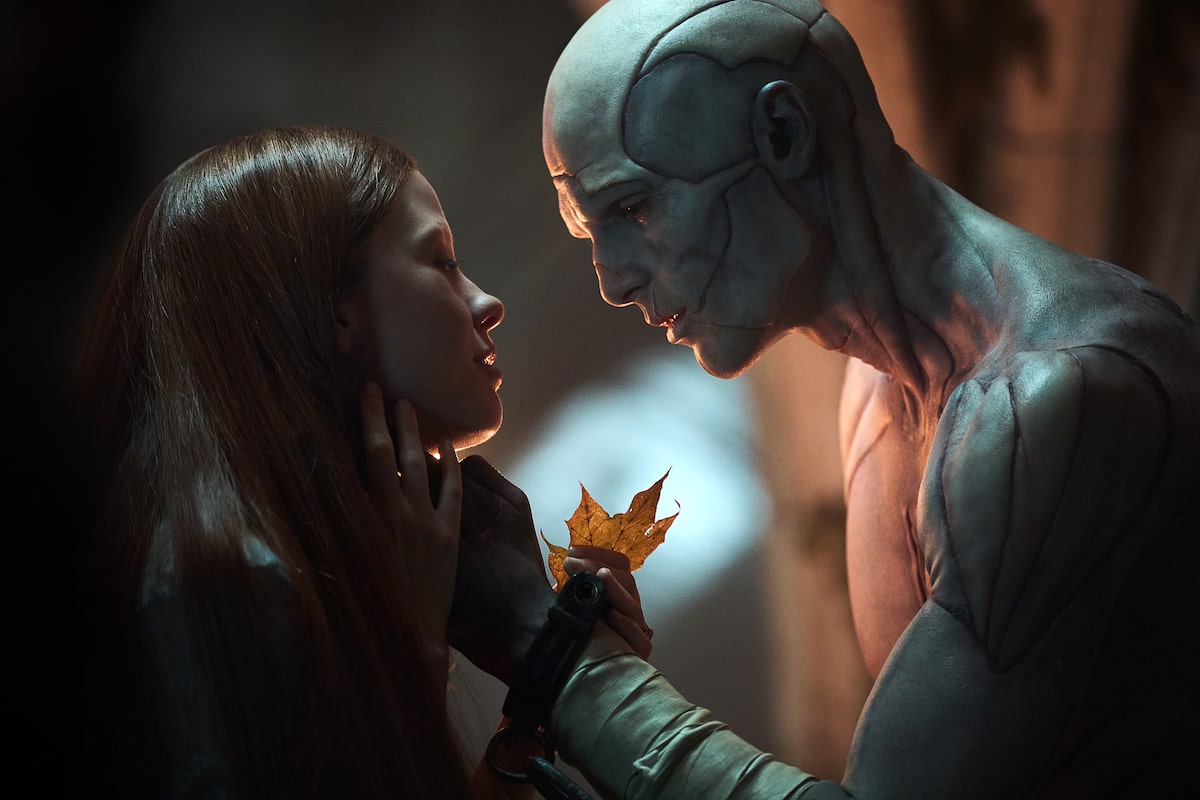
Culture radarCREATURE FEATURE Why do people find Jacob Elordi as Frankenstein’s monster so attractive?Open this photo in gallery:
Mia Goth as Elizabeth and Jacob Elordi as The Creature in Frankenstein.Ken Woroner/Netflix/Supplied
Earlier this month, director Guillermo del Toro released his much-anticipated adaptation of Frankenstein to Netflix. Compared to the shambling green monster in most pop culture portrayals, the film stayed closer to Mary Shelley’s original novel. But there’s one glaring difference in del Toro’s version: This incarnation of Frankenstein’s monster is objectively good-looking.
Played by bona-fide hottie Jacob Elordi, the film’s monster is tall, lithe and muscular – far from the grotesque description in the original story. His hotness has been a topic of discussion among critics and fans alike, but Graham Isador argues there’s something else at play here. Aside from Elordi’s natural charm, there’s a long-term trend of finding storybook monsters attractive.
From Tom Hardy’s Venom to the titular Beast in Beauty and the Beast, showing creatures that are othered by society allows the audience to project their own feelings of otherness onto them, opening up the idea of romance. Read more on why having a crush on the Creature from the Black Lagoon is actually a sophisticated literary tradition.
More tech and telecom news