

When British expatriate Melanie discovered that she developed an intolerance to gluten; she remembers feeling “overwhelmed, isolated and completely unsure of how to navigate life in a country with very little awareness of the condition.” Today, she is spearheading a growing movement in Oman that brings together residents, tourists and families confronting the same challenge: navigating life safely with a serious autoimmune disorder in a food culture largely centred on wheat. Melanie, founder of the support platform @GlutenFree_me_n_u, organised Muscat’s first Celiac community meetup earlier this year after noticing a surge of online questions asking where to buy gluten-free products and which restaurants could safely serve someone with Celiac Disease.
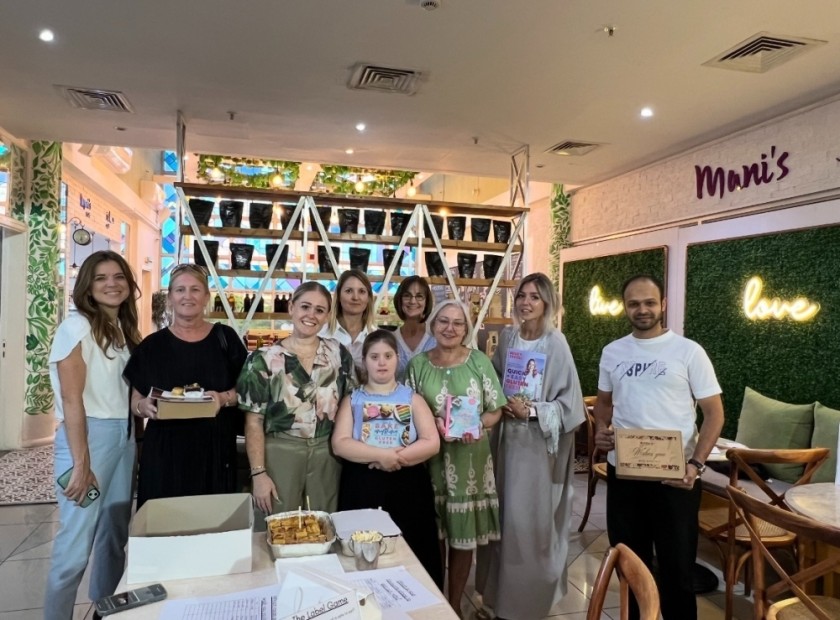
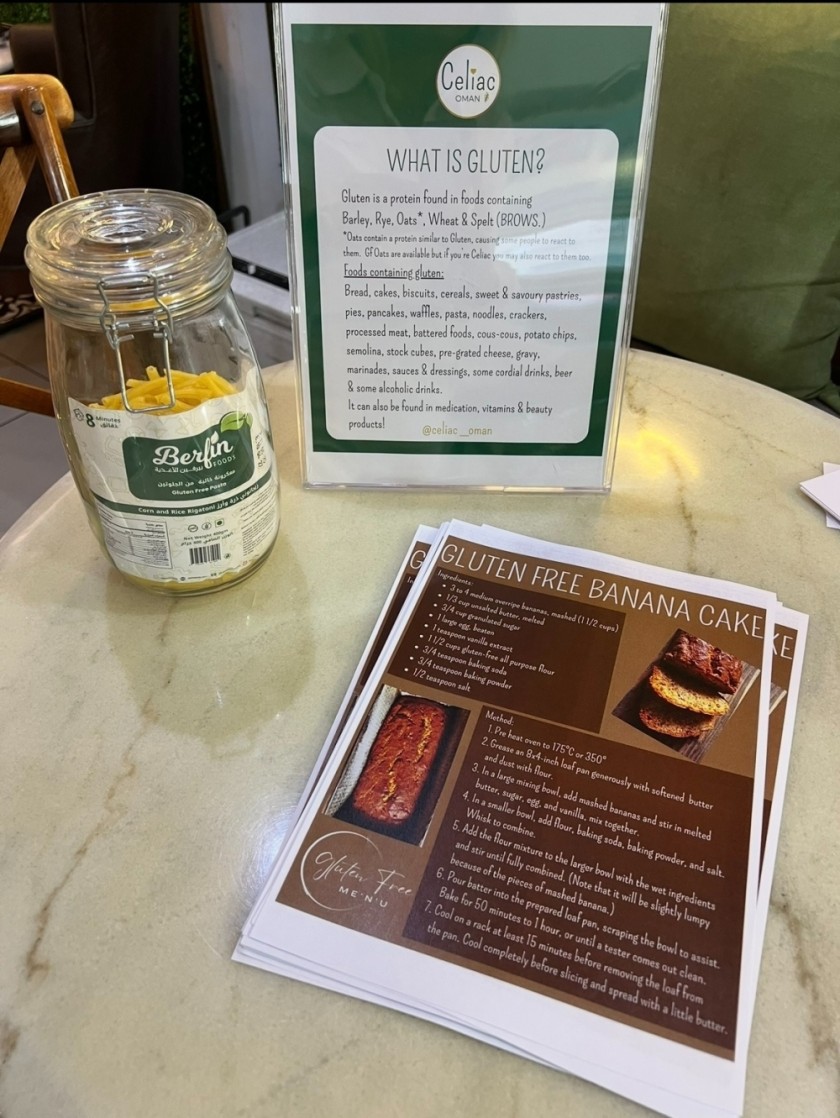
“I realised so many people were experiencing the same fears and confusion I once did,” she says. “With so little help and advice available here, I felt compelled to start an important movement in Oman.” Celiac Disease, commonly mistaken for an allergy or intolerance, is an autoimmune condition triggered when gluten is consumed, causing the immune system to attack the small intestine. Symptoms can range from diarrhoea, nausea and brain fog to long-term risks such as infertility, osteoporosis and certain cancers. Globally, it affects 1 in 100 people, yet remains widely misunderstood. Melanie says awareness in Oman is still limited. “There are over 200 symptoms connected to this condition, and many people might be living with Celiac Disease without knowing,” she explains.
Misunderstanding can also be dangerous. “I’ve given detailed instructions about avoiding cross-contamination, only to be served a meal with Arabic bread on the plate. People don’t realise that once gluten touches the food, the entire dish is contaminated.” The lack of awareness is particularly evident in restaurants. Tourists and residents alike struggle to find reliable information on whether cafés or eateries can safely cater to gluten-free diners. “Everyone loves to eat out, but for most of us with Celiac Disease, it creates panic and fear,” Melanie says. She calls on restaurants to train staff, label allergens clearly on menus and understand how easily dishes can be adapted.
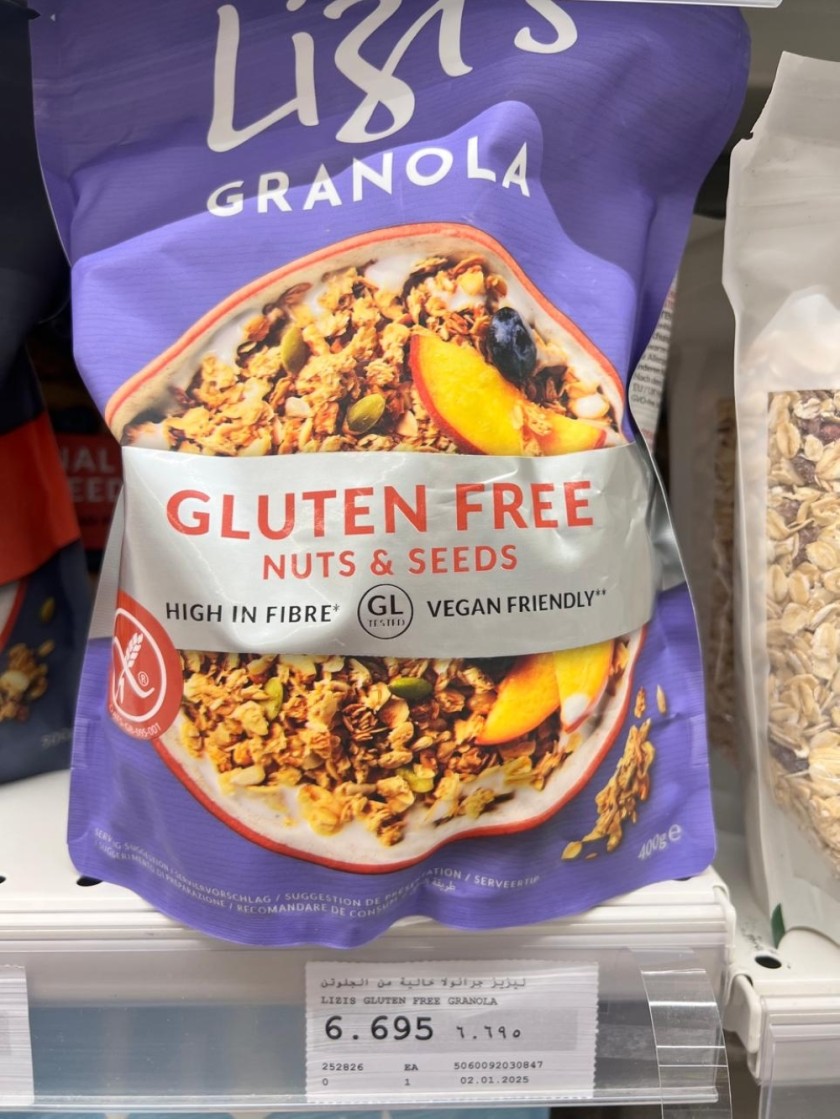
“Changing a few practices can pay dividends – gluten-free diners choose where their families and friends eat.” Supermarkets pose another challenge. Gluten-free staples such as flour and bread are often several Omani rials more expensive, and the range remains limited. Schools, workplaces and even hospitals, she says, also need training and more inclusive food policies. “When someone is diagnosed and told to follow a gluten-free diet, they need guidance. The feeling of confusion and loneliness can be overwhelming.”
Long-term residents agree. Jenni Scott, who attended the meetup, says her 12-year journey with Celiac Disease in Oman has been “learning and challenging.” She adds: “This is not a lifestyle choice but a medical condition with severe consequences if we ingest gluten. The need for support, awareness and training in Oman is paramount – for individuals, for hospitality staff and for stores to provide reasonably priced gluten-free options. Melanie’s initiative is fantastic and deeply appreciated.” Despite the challenges, progress is emerging.
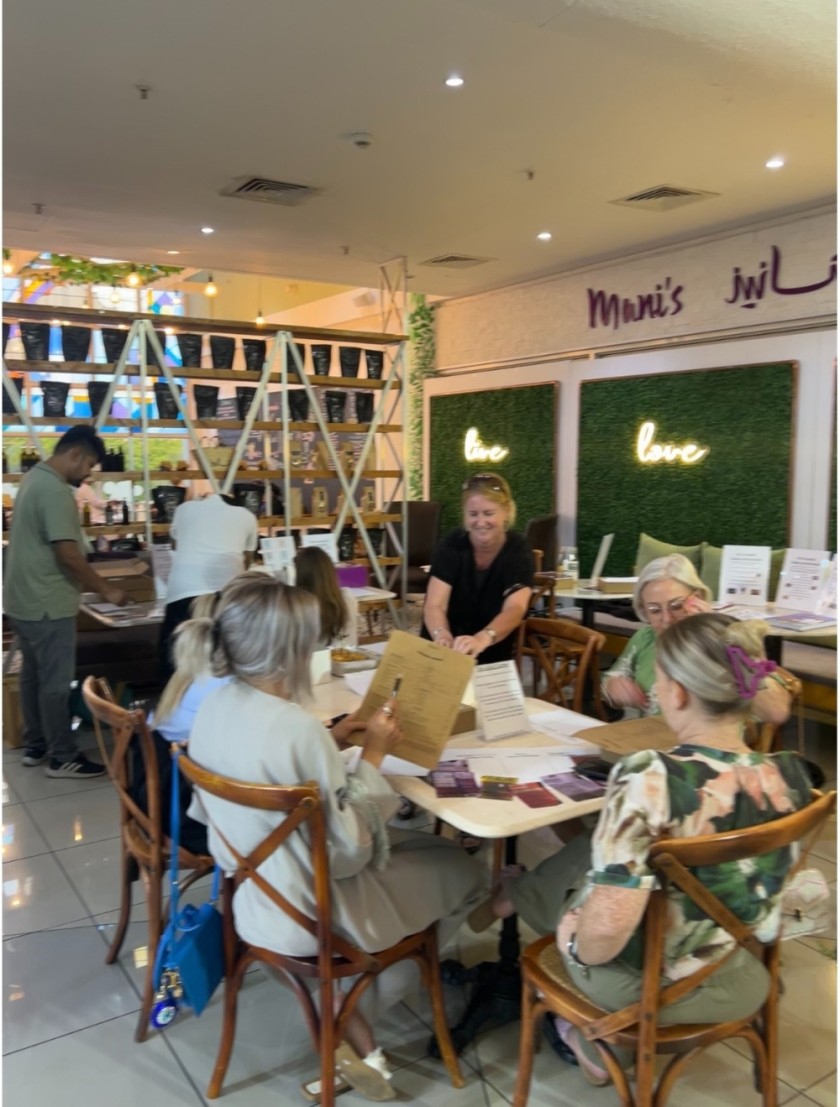
Dedicated testing labs, such as Precision Health Science in Ghala, now offer Celiac diagnostics. Development of clearer food labelling and official guidelines are among the actions Melanie hopes the authorities will consider. Her community movement continues to build momentum. The second Gluten-Free Community Meetup is scheduled this Monday, December 1, at Mackenzie’s Kitchen in Madinat Sultan Qaboos – another step, Melanie says, toward ensuring that no one in Oman has to navigate Celiac Disease alone.