
Jesse Zeman

Executive Director, BC Wildlife Federation
Part of the conversation is about increasing the grizzly bear harvest.
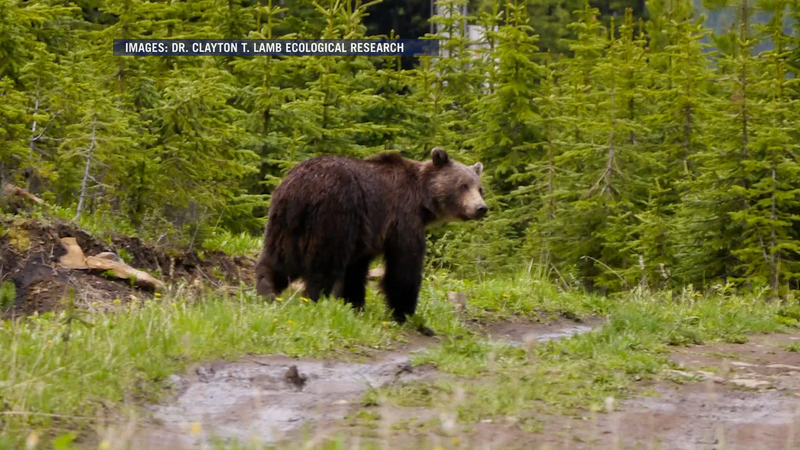
UBC Biologist Dr. Clayton Lamb says increasing the harvest can be complicated, as you need good science before opening that option.
“It’s very common that when there is a conflict, you can rationalize how the bear ended up there. There are examples where bears are like people. There are some bad actors out there who are just like, Why did you do that?. But in many cases, there’s an attractant. The conflict takes two parties: people and bears.”
Dr. Clayton Lamb
Biologist, UBC
There is a bigger picture when it comes to bear conflict. According to Zeman, there is a need for more staff and systems to manage attractants. People need to keep their garbage secured, and municipalities have to enforce their bylaws.
Some scientists and the BCWF agree that research around bears is underfunded.
“ We do have many situations where the conservation of the landscape and wildlife is eroding as a result. Even the government biologists as a whole, there are not enough of them to look after the resource.”
Dr. Clayton Lamb
Biologist, UBC
For now, the trophy hunting ban remains firmly in place, but as new management plans take shape, the future of grizzly policy in the province is once again up for debate.
Email: Dave.Branco@pattisonmedia.com
TikTok: @DaveBrancoVJ