
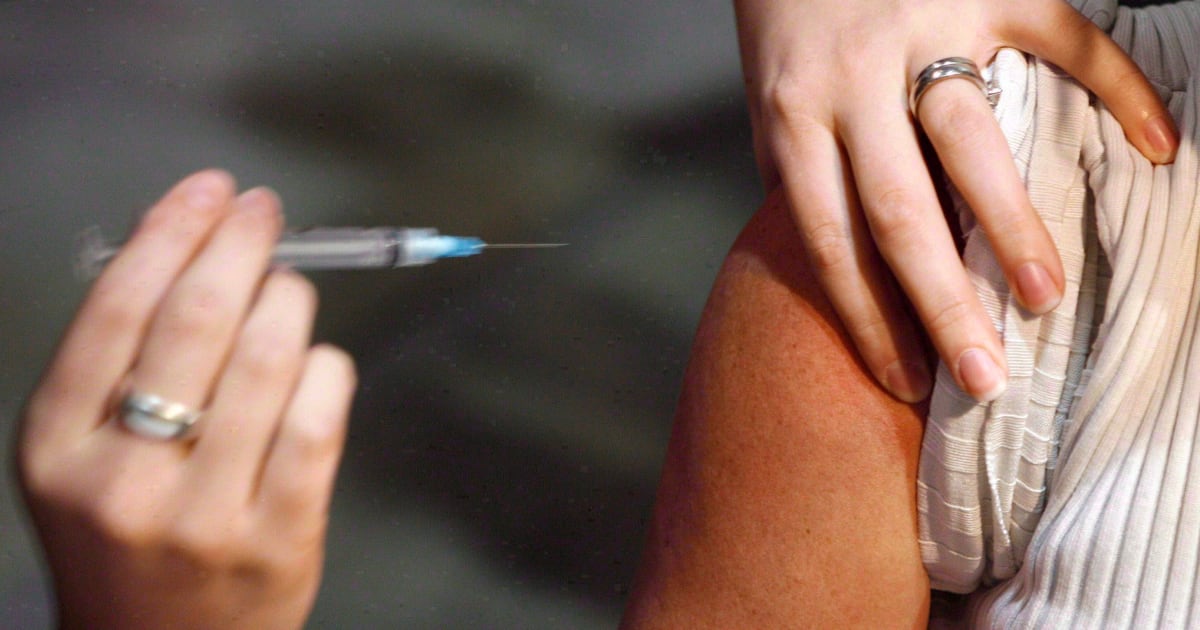
Infectious disease specialist Dr. Lisa Barrett chats about staying healthy during respiratory virus season.
Many people are out and about during the busy holiday season, running errands and spending more time socializing with friends and family, but it’s also the dreaded respiratory virus season.
Halifax-based infectious disease specialist Dr. Lisa Barrett recently shared some tips to stay healthy over the next several weeks with Your Morning Atlantic’s Crystal Garrett.
She said there’s more COVID-19 around at the moment than respiratory syncytial virus (RSV) or the flu.
“But we do know from the rest of the world that we’re starting to see influenza go up and it’s been a crappy influenza season in other parts of the world, so likely it’s going to be a tough one here too,” she said.
Barrett said some people say they have a cold when they actually have the flu, which can cause more severe symptoms and complications.
“People who have bad immune systems go to the hospital all the time and sometimes younger people too, and so influenza, not just a cold, it’s cold+, and it can really cause not just a hospitalization or a pneumonia, but long-term side effects, worsening heart disease, heart attacks, all kinds of things come along with bad influenza so, if you can, it’s a good thing not to get,” she said.
Currently, in Nova Scotia, free vaccines are available for COVID-19 and the flu as well as RSV for eligible babies and seniors.
Health experts call these “vaccine-preventable diseases.”
“We’re lucky, not all of the world, especially our southern neighbours these days, have such access to free vaccine, we have lots of it. And so one of the best things you can do is get vaccinated, not too late, and just before the holiday season before you get together, go to long-term care homes, or to see your older folks that are in your family,” said Barrett.
There have been warnings that this year’s flu vaccine may not be as strong of a match compared to previous years. It is made months in advance based on patterns seen in other parts of the world, and sometimes the virus changes too quickly.
However, Barrett points out, it still prevents hospitalizations and ICU admissions for many people.
“Also there are other strains that are well-matched still that might not be as common but are still floating around, and this vaccine will still protect you against those,” she said.
“It’s not a great match this year, but it is still a great vaccine, and something that I certainly will get and encourage all my family to get.”
Barrett adds, if you haven’t gotten a shot yet, it’s not too late to get one before the holidays.
“Ideally, you have a couple weeks before it’s going to give you the best protection, so try and get it done now,” she said.
“We haven’t seen flu go up really, really fast yet. The trend is starting, and there’s still six out of every hundred of the tests we do for COVID are still positive — that’s a lot. Six per cent is still a lot, so it’s still around.”
Barrett also recommends basic tips to avoid getting sick, such as washing your hands, only using a tissue once, and practising good respiratory hygiene.
“If you’re sick, staying away from others who might be vulnerable, that’s all really important stuff that we can still do. And some people can wear masks still if they’re in big, crowded areas or if you have symptoms, lots of my colleagues, we don’t wear masks every single moment, but if you get some symptoms and you’re out with other people, especially vulnerable folks, wear a mask,” she said.
Earlier this month, IWK Health announced that all staff, visitors and patients are required to wear masks at its Halifax facility.
“Nova Scotia Health for some reason hasn’t yet, but really do consider it,” Barrett said. “There’s lots of very vulnerable cancer patients, transplant patients, older folks that are in hospital, so consider that.”
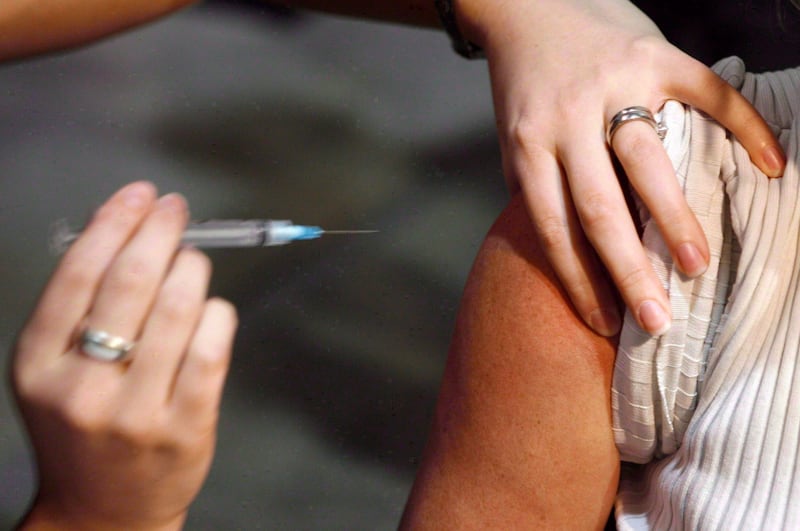 Flu vaccine A person gets a shot during a flu vaccine program in Calgary on Oct. 26, 2009. THE CANADIAN PRESS/Jeff McIntosh (Jeff McIntosh/THE CANADIAN PRESS)