
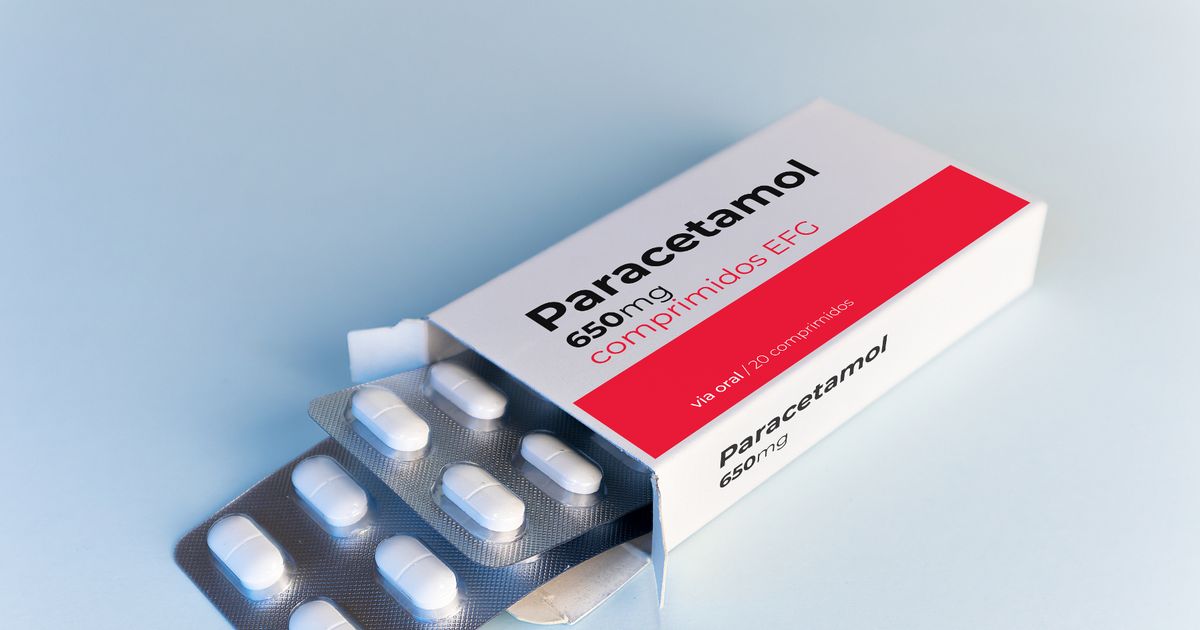
Paracetamol is a common painkiller used to treat aches and pain, but there are some people who should seek medical advice before taking itLauren Haughey Lifestyle and Money Reporter and Andrew E Quinn Audience Editor
19:43, 30 Nov 2025
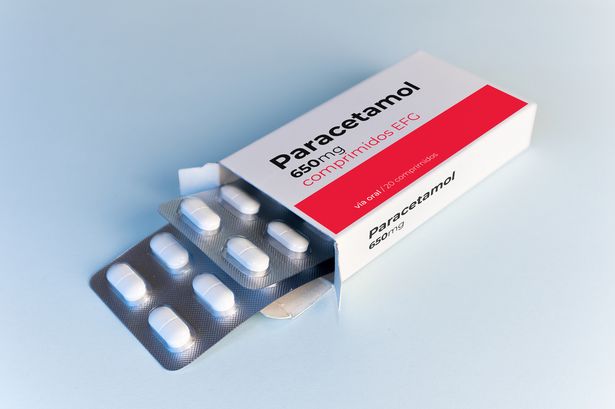 Paracetamol is a popular painkiller. (Image: Getty Images/iStockphoto)
When you’re battling flu or dealing with aches and pains, paracetamol is often your go-to remedy. Celebrated for tackling a whole host of discomforts and symptoms, millions of packets of this painkiller fly off the shelves annually across Ireland.
However, you might be shocked to discover that paracetamol isn’t actually right for everybody. Indeed, certain individuals are urged to seek professional medical guidance before popping these pills to steer clear of any nasty side effects.
The HSE warns this particularly applies to anyone who’s previously experienced an allergic reaction to medications, including paracetamol, as well as those with a background of kidney or liver troubles. The HSE also states you should not give paracetamol to babies younger than two months old, unless it is prescribed by a GP.
Other groups of people who ought to get medical advice first include:
if you have ever had an allergic reaction to paracetamol or any other medicineif you have liver or kidney problemsif you regularly drink more alcohol than recommended in the weekly low-risk guidelinesif you have a severe infection Millions of packets of Paracetamol are sold across Ireland every year. (Image: Olga Dobrovolska via Getty Images)
 Certain people should seek medical advice before taking Paracetamol. (Image: Antonio Guillem/Getty Images)
The HSE goes on to clarify: “Paracetamol is a common painkiller used to treat aches and pain. It’s available to buy without a prescription from shops and pharmacies as tablets, capsules, suppositories, a syrup, or soluble or effervescent tablets. You can also get it on prescription if you have long-term pain.
“Brand names in Ireland for paracetamol include: Panadol; Calpol; Paralief; Paralink and Rowalief. Paracetamol is also an ingredient in a wide range of cold and flu remedies and is available combined with other painkillers and anti-sickness medicines.”
Paracetamol is typically safe to combine with most prescribed medicines and antibiotics, though there are certain exceptions. Should you be taking warfarin to ward off blood clots or any treatment for epilepsy or tuberculosis, it’s wise to speak with a GP before using paracetamol.
Regarding other pain relief the HSE says people should not take ibuprofen with paracetamol without talking to their doctor first.
“Paracetamol or ibuprofen may help to lower your temperature and treat aches and pains. Paracetamol is usually recommended as the first treatment for most people.
“Ibuprofen is a non-steroidal anti-inflammatory medicine (NSAID). It is OK to take ibuprofen or other NSAIDs if you have COVID-19.
“Only take one anti-inflammatory medicine at a time. It is OK to take paracetamol and an anti-inflammatory at the same time,” reads the advice on the HSE website.
They HSE also cautions against taking paracetamol alongside other medicines containing paracetamol such as cough and cold medicines; prescription medicines and medicines that contain paracetamol combined with other painkillers – for example, co-codamol (Solpadeine, Codipar, Solpadol) and paracetamol and tramadol (Ixprim).
Subscribe to our newsletter for the latest news from the Irish Mirror direct to your inbox: Sign up here.