
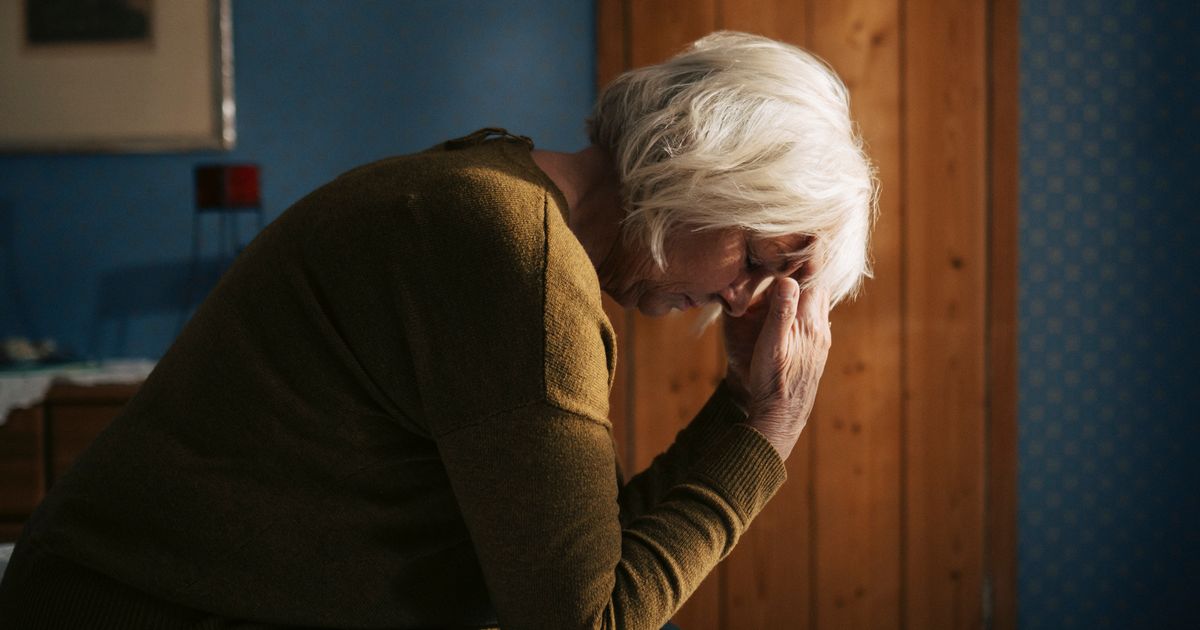
You may not realise that how you’re feeling is linked to the seasons
13:18, 01 Dec 2025Updated 14:00, 01 Dec 2025
 The NHS urged people to be wary of the signs of a disorder that can be “severe” in the winter(Image: Getty)
The NHS has urged people to be aware of the symptoms of a winter condition. According to the health body, signs of this disorder are often more “severe” at this time of year.
In an update posted to social media platform X, the NHS drew attention to seasonal affective disorder. It explained: “For some people, symptoms of seasonal affective disorder (SAD) are usually more apparent and more severe during the winter.
“Know the symptoms of SAD and treatment options available.” SAD is a type of depression that comes and goes in a seasonal pattern.
On its website, the NHS explains that SAD is sometimes known as “winter depression” because the symptoms are usually “more apparent and more severe” during the winter.
Therefore, some people with SAD may have symptoms during the summer and feel better during the winter.
Content cannot be displayed without consentSymptoms
Symptoms of SAD can include:
A persistent low moodA loss of pleasure or interest in normal everyday activitiesIrritabilityFeelings of despair, guilt and worthlessnessFeeling lethargic (lacking in energy) and sleepy during the daySleeping for longer than normal and finding it hard to get up in the morningCraving carbohydrates and gaining weightDifficulty concentratingDecreased sex drive
The NHS says: “For some people, these symptoms can be severe and have a significant impact on their day-to-day activities.”
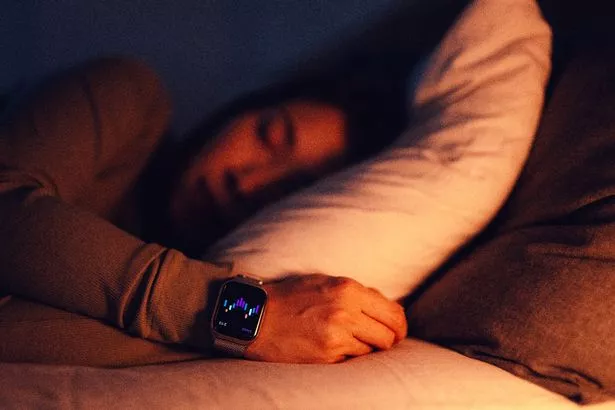 One of the signs include feeling lethargic and sleepy during the day(Image: Getty)When to seek help
Experts at the NHS say you should consider seeing the GP if you think you might have SAD and you’re “struggling to cope”. It said: “The GP can carry out an assessment to check your mental health.
“They may ask you about your mood, lifestyle, eating habits and sleeping patterns, plus any seasonal changes in your thoughts and behaviour.”
 The NHS urged people to be wary of the signs of a disorder that can be “severe” in the winter(Image: Getty)Causes of SAD
Although the exact cause of SAD is not fully understood, it’s often linked to reduced exposure to sunlight during the shorter autumn and winter days. The NHS notes that a lack of sunlight might stop a part of the brain called the hypothalamus working properly, which may affect the:
Production of melatonin – a hormone that makes you feel sleepyProduction of serotonin – a hormone that affects your mood, appetite and sleepBody’s internal clock (circadian rhythm)
The NHS added: “It’s also possible that some people are more vulnerable to SAD as a result of their genes, as some cases appear to run in families.”
The main treatments for SAD include:
Lifestyle measures – including getting as much natural sunlight as possible, exercising regularly and managing your stress levelsLight therapy – where a special lamp called a light box is used to simulate exposure to sunlightTalking therapies – such as cognitive behavioural therapy (CBT) or counsellingantidepressant medicine – such as selective serotonin reuptake inhibitors (SSRIs)
For more information, visit the NHS website here.