
Preparing SVG mental health system for the next climate, natural disaster
Over the past five years, Saint Vincent and the Grenadines (SVG) has experienced firsthand the importance of integrating psychosocial support into its national disaster response framework. From the global shock of the COVID-19 pandemic, to the 2021 La Soufriere volcanic eruption, and most recently, the devastation caused by Hurricane Beryl, a Category 4 hurricane in 2024, each event has underscored the need for mental health to be a core pillar of resilience and recovery.
The pandemic marked a turning point in global awareness of mental health. Around the world, communities recognised the need for accessible interventions to help individuals cope with fear, uncertainty, and isolation. In SVG, the lessons from these crises have been clear: as a Small Island Developing State (SIDS), we remain acutely vulnerable to the increasing frequency and intensity of climate-related disasters, such as hurricanes, flooding, and other slow-onset stressors, which disrupt livelihoods and well-being. While a future volcanic eruption is not currently an imminent threat, the possibility serves as a reminder that preparedness must be comprehensive and forward-looking.
The Psychological Toll of Disasters
Disasters impact more than physical infrastructure; they leave deep psychological and emotional scars. The effects unfold across several levels:
1. Immediate psychological reactions often include shock, disbelief, fear, confusion, and helplessness as individuals struggle to comprehend the sudden loss and disruption.
2. Short-term emotional responses follow: grief, anger, frustration, or guilt, particularly among survivors who have lost family members, homes, or livelihoods.
3. Long-term psychological effects can manifest as post-traumatic stress disorder (PTSD), complex trauma, depression, anxiety, or substance use, all of which hinder personal and community recovery.
4. At the community level, displacement, social fragmentation, and economic hardship intensify distress. At the same time, collective grief can either weaken social fabric or, when managed well, become a source of solidarity and mutual support.
Given these realities, psychosocial care must be integrated into all stages of disaster management, preparedness, response, and recovery. Mental health should no longer be treated as an optional or secondary concern but as a vital component of national resilience.
Building a Resilient Mental Health System
To strengthen preparedness, SVG’s National Emergency Plan must explicitly include mental health and psychosocial support (MHPSS). Clear standard operating procedures for shelters and emergency response teams should support this integration. Global frameworks from the World Health Organisation (WHO) and Pan American Health Organisation (PAHO) emphasise that MHPSS should be embedded across all sectors — including health, education, social protection, and emergency management — through coordinated collaboration among government agencies, NGOs, and community stakeholders. A multisectoral approach ensures that MHPSS becomes a sustained, integrated part of national systems, with NGOs continuing to play a vital and complementary role.
In SVG, several ministries are well-positioned to lead this collaborative effort. The Ministry of Health, Wellness and the Environment, the Ministry of Education, and the Ministry of National Mobilisation, Social Development, Family, Gender Affairs and Persons with Disabilities, all play vital roles in serving vulnerable populations, including children, survivors of gender-based violence, persons living with disabilities, and people with lived experience of mental illness. Strengthening coordination among these entities ensures a unified, comprehensive, and equitable psychosocial response.
Community-Led, Culturally Anchored Care
One of SVG’s greatest strengths lies in community networks and cultural resilience. Building on SVG’s strong community networks and deep cultural resilience, the next step is to strengthen and formalise these local capacities. By equipping faith-based organisations, youth clubs, and community volunteers with ongoing training, supervision, and resources, SVG can expand its locally-led, community-based approach to mental health and psychosocial support. These trusted community actors can be empowered to deliver Psychological First Aid, facilitate safe and inclusive spaces for dialogue, and connect individuals to professional care—transforming grassroots compassion into a sustainable, nationwide system of psychosocial resilience. Initiatives like these are already taking place. The Hub Collective’s Healing Together programme trained frontline workers, community leaders, and volunteers in trauma-informed care and psychosocial support. Additionally, the SVG Red Cross hosted a MHPSS workshop for volunteers and community responders, integrating psychosocial awareness into disaster-preparedness efforts—ensuring that mental health care becomes a core part of how communities prepare for and recover from crises.
Ongoing training programs focused on Psychological First Aid, trauma-informed care, crisis communication, and self-care for helpers can ensure volunteers are equipped to respond appropriately and prevent burnout. Developing a national network of trained community responders would also enhance SVG’s surge capacity, ensuring that psychosocial support reaches even the most remote communities, including those in the Grenadines. By investing in continuous skill-building and community empowerment, SVG can strengthen its foundation of culturally grounded, people-centred care.
Inclusive Services for Vulnerable Groups
Disaster planning must prioritise vulnerable populations who are disproportionately affected. These include children and adolescents, older adults, persons with disabilities, individuals with pre-existing mental health conditions, low-income families, displaced households, and frontline workers. Shelter management must include psychosocial protocols such as child-friendly spaces, woman-led staff, dignity kits, and targeted outreach to ensure accessibility and safety. Equally important is the inclusion of men’s mental health, recognising that male survivors may require more hands-on, practical approaches to processing trauma.
Operationalising MHPSS in National Planning
A sustainable vision for MHPSS would build on existing progress and incorporate several practical steps:
Integrate MHPSS into the National Emergency plan by outlining clear objectives, leadership roles, data systems and budget considerations.
Ensure sustainable financing by including dedicated MHPSS line items within the national budget to promote long-term continuity and stability.
Strengthen workforce capacity by equipping teachers, primary care staff, and volunteers with training in Psychological First Aid and basic psychosocial support.
Conclusion
A resilient future for Saint Vincent and the Grenadines depends on recognising mental health as essential national infrastructure. Planning, financing, and practising psychosocial support before disasters strike will ensure that the nation is ready not only to survive but to recover and thrive. By embedding MHPSS into policy, empowering communities, and strengthening inter-ministerial collaboration, SVG can transform hard-earned lessons into lasting systems of care that promote healing, adaptation, and long-term resilience for all.
About:
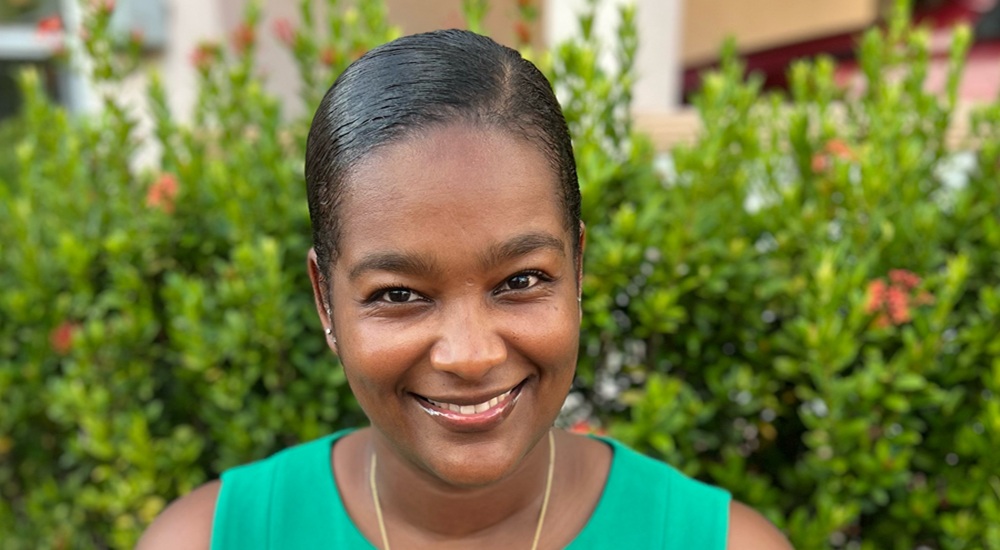
Dr Ellica Matthews is a compassionate mental health professional with nine years of experience, dedicated to supporting the wellness of individuals and communities. She is a trained Psychologist who currently serves as a Counsellor within the Ministry of Health, Wellness, and the Environment. She contributes to the Psychosocial Response within the Ministry and under the National Emergency Management Organisation. With a strong academic and ethical foundation, she is passionate about building national capacity for mental health. Dr Matthews is a member of the SVG Psychological Society.
Dr Ellica Matthews, Psychologist and Counsellor · Mental Health Rehabilitation Centre in Saint Vincent and the Grenadines.