
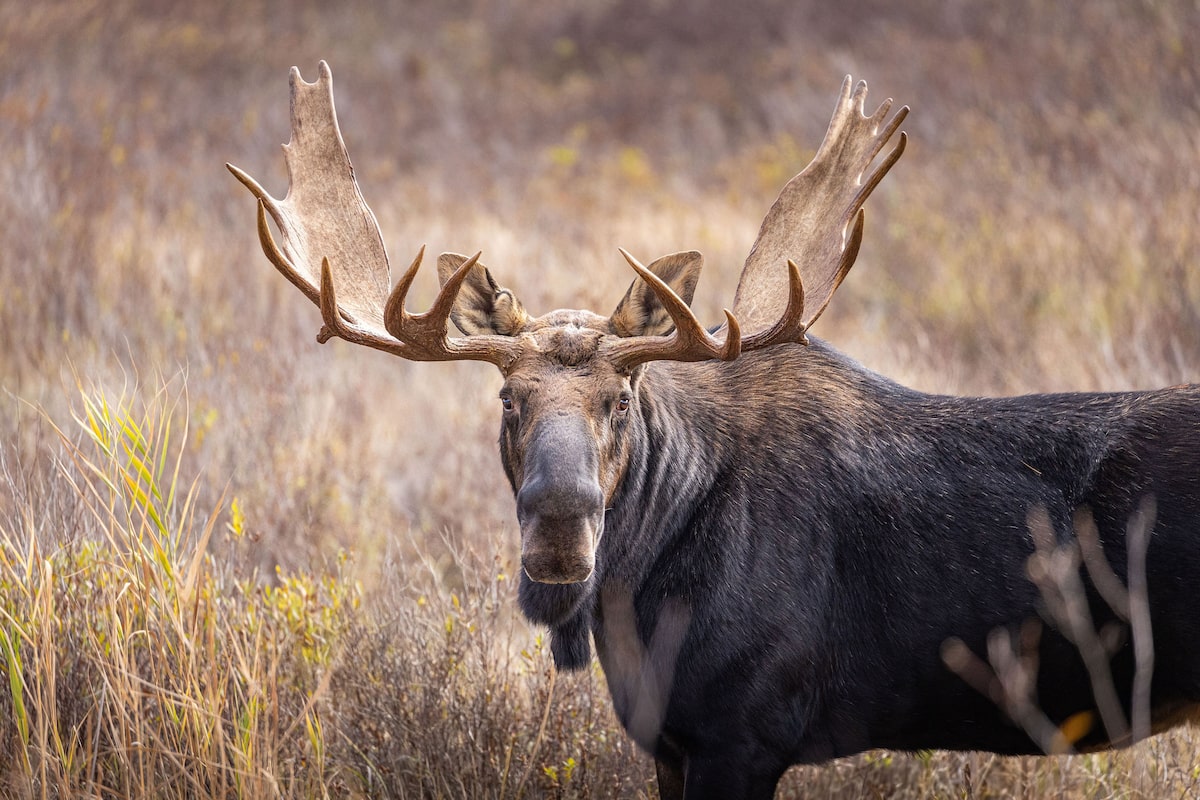
Ontario-based Follow Me North hosts wildlife photography workshops in Algonquin Park that focus on ethical interactions with animals. “We’ve walked away from great photo moments that just didn’t sit right with us,” says co-owner Jesse Villemaire.Courtesy Follow Me North
When Jesse Villemaire first started working as a wildlife photographer in 2015, he noticed other photographers doing “questionable things” at the time, like feeding animals – what’s referred to in the industry as baiting – to get a great shot.
“I just knew it felt wrong,” Villemaire says. “I started questioning the things that I was seeing that didn’t sit right with me.”
Three years later, in 2018, the Muskoka, Ont.-based photographer and his wife Susan began hosting wildlife photography workshops in Algonquin Park under the name Follow Me North. In 2019, they began marketing themselves as ethical wildlife photographers.
“We wanted to be the leaders in that genre and lead with the ethics more than leading with the photography,” says Villemaire.
Follow Me North is just one of many tourism operators taking an increasingly ethical, conservation-minded approach to wildlife experiences. The Adventure Travel Trade Association’s 2025 Adventure Travel Trends & Insights report identified wildlife viewing as a top trend. The tour operators surveyed stated that wildlife protection was one of their top sustainability concerns related to tourism and that 49 per cent of respondents are shifting to more sustainable options.
These trends are signs of a greater push in the tourism industry to design experiences that minimize the impact of travel. Where once tourism businesses would have relied on travellers to choose a sustainable option, by prioritizing higher standards of animal welfare, conservation education and the inclusion of First Nations, these companies are making sustainability the only choice.
At Follow Me North, the ethical approach begins during client consultation calls. “We are being open and honest about what we can provide them, because we can never guarantee that we’re going to find wildlife,” says Villemaire.
Villemaire says that wildlife photography guarantees can sometimes mean that unethical behaviour is happening in the background. “Often, that means baiting a certain area for weeks to get that animal accustomed to human activity,” he says.
Another questionable act he sees is crowding an animal or getting too close to them, so the Villemaires teach their guests about respectful distances and when to rely on telephoto lenses as opposed to proximity. They also inform guests about behaviours in a species that are indicative of stress, like a moose that puts their ears back or stares directly at you.
“We’ve walked away from great photo moments that just didn’t sit right with us, meaning it might have put the animal in danger,” says Villemaire.
Vancouver-based travel advisor Anjuli Bhatia of Canada Revealed prefers to recommend an ethical wildlife experience tour operator to clients. “That’s a really big part of who I choose to work with,” she says.
Sustainable and ethical experiences feel more exclusive and appealing to tourists, too. Bhatia gives the example of polar bear viewing with Churchill Wild in Churchill, Manitoba, where walking safaris are capped at just 16 people, compared to other companies that use gas-powered tundra vehicles with up to 40 people on board.
“People want to have a special experience, and when there are a lot of people around that are having the same experience, it ceases to be special,” she says.
On Vancouver Island, Coastal Rainforest Safaris, a Port Hardy, B.C.-based wildlife viewing boat tour company, specializes in wildlife viewing informed by Indigenous knowledge. Its boats hold a maximum of 14 people including a guide and a driver whom are most often members of the Musgamakw Dzawada‘enuxw First Nations, whose territory the company operates in.
Many of Vancouver Island-based Coastal Rainforest Safaris’ tours are run by Musgamakw Dzawada‘enuxw First Nations staff who share cultural knowledge and stories along with wildlife sightings.Courtesy Coastal Rainforest Safaris
Employing local Indigenous guides not only has an economic impact on First Nations, but it also provides guests with a richer experience. It’s another way the company is making wildlife viewing more sustainable.
“Indigenous people are the original stewards of the land,” says co-owner Andrew Jones. “I think that comes through in the way that [Indigenous people] talk about the wildlife and share information of the area with our guests.” While Jones is not Indigenous, his co-owner, Mike Willie, is a member of the Musgamakw Dzawada‘enuxw First Nations and is the majority owner of the company.
Jones and Willie want to move tourists away from “checklist” wildlife viewing – ticking off the species that guests are keen to see – towards a holistic, conservation-minded approach.
“Yes, we’re looking for some of those big species – the whales, the humpbacks, the orcas, the sea lions and sea otters,” Jones says. “But we’ll also go to the kelp beds and see stars growing on the rocks.” While kelp beds might not be an initial tourist draw, by bringing tourists there, Jones and his colleagues use the sightings to explain how kelp beds stop shore erosion and act as giant nurseries for other animals like sea urchins and rockfish.
Conservation-minded wildlife experiences can have a lasting impact by helping to change tourist behaviours positively, long after the tour has ended. On the company’s six-hour day tours, Coastal Rainforest Safaris guides often speak to the impacts that guests can have on the species they’re viewing, like the types of soaps and detergents they use or how many items they’re buying that are imported on shipping containers that travel through oceans.
“What people don’t always realize is how some of the small things we do on a day-to-day basis can affect the environment,” says Jones. “That’s what we also try to pass along.”