
KUALA LUMPUR, Dec 2 — Non-cash transactions have become the predominant payment method for Malaysians in 2025, with a new Ipsos study showing that nearly three out of five people have used digital payments in the past three months.
Ipsos’s “Non-cash economy and the role of e-wallets” report also showed a 14 per cent surge in e-wallet usage and continued growth in online bank transfers, a shift driven by rising consumer trust and a preference for faster, more rewarding payment options.
Younger Malaysians continue to be the most enthusiastic adopters, with e-wallet usage highest among those aged 25 to 34, where nearly two in three used them.
However, the study also found a sharp 11 percentage point increase in the use of online bank transfers among the 35 to 44 age group, indicating a broader demographic shift towards digital banking.
Other non-cash payments include credit and debit cards.
Food, retail, and tolls: Where e-wallets rule
E-wallets have also become the go-to payment method for everyday purchases.
Food and beverage spending saw the fastest growth in e-wallet usage over the past year, rising 15 percentage points to hit 75 per cent.
Meanwhile, use in retail, tolls, parking and food delivery also saw steady gains.
Despite a growing market of providers, Ipsos noted that most users continue to stick to just one or two e-wallets.
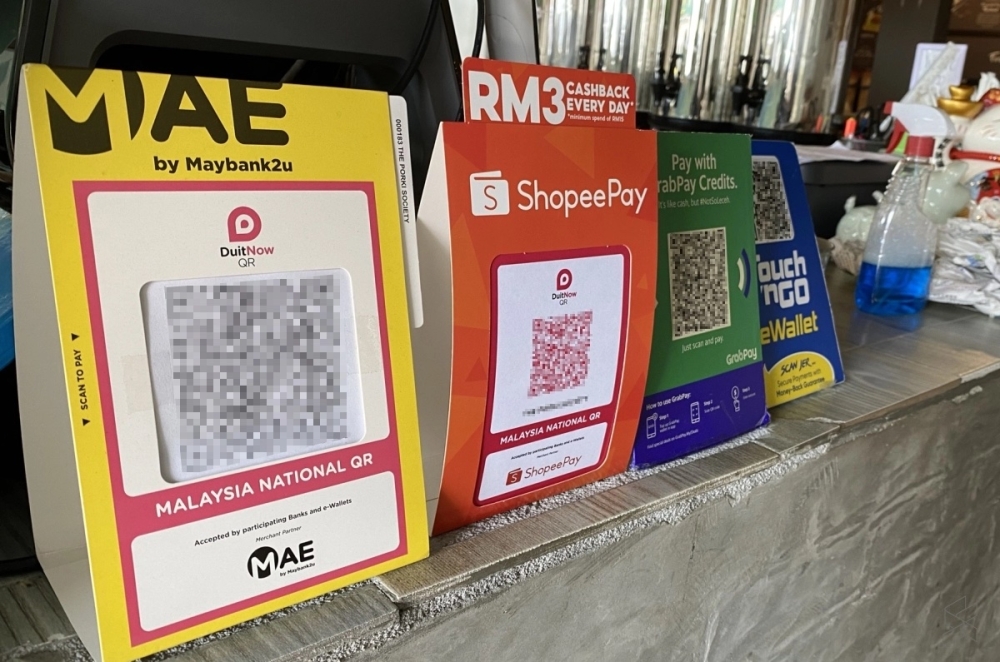
Touch ‘n Go remains the undisputed market leader, used by 78 per cent of e-wallet users in the past three months, while MAE (44 per cent) holds its position as the second most popular option.
ShopeePay (10 per cent) was a distant third, ahead of Petronas’s Setel (6 per cent) and GrabPay (4 per cent).
“Despite more providers in the market, most people rely on just one or two e-wallets,” Ipsos said, adding that consumers were growing more selective as the industry matures.
This broader trend is reflected in national data, with Malaysia’s total e-money transaction value soaring by 70 per cent year-on-year to reach RM21.5 billion in May 2025.
Ipsos attributed the acceleration to government initiatives such as the expanded rollout of DuitNow QR, saying that Malaysians’ reliance on digital payments will continue to accelerate.