
Bird enthusiasts and experts in Singapore were stunned by the appearance of a rhinoceros hornbill. The species is locally extinct — or so scientists believed.
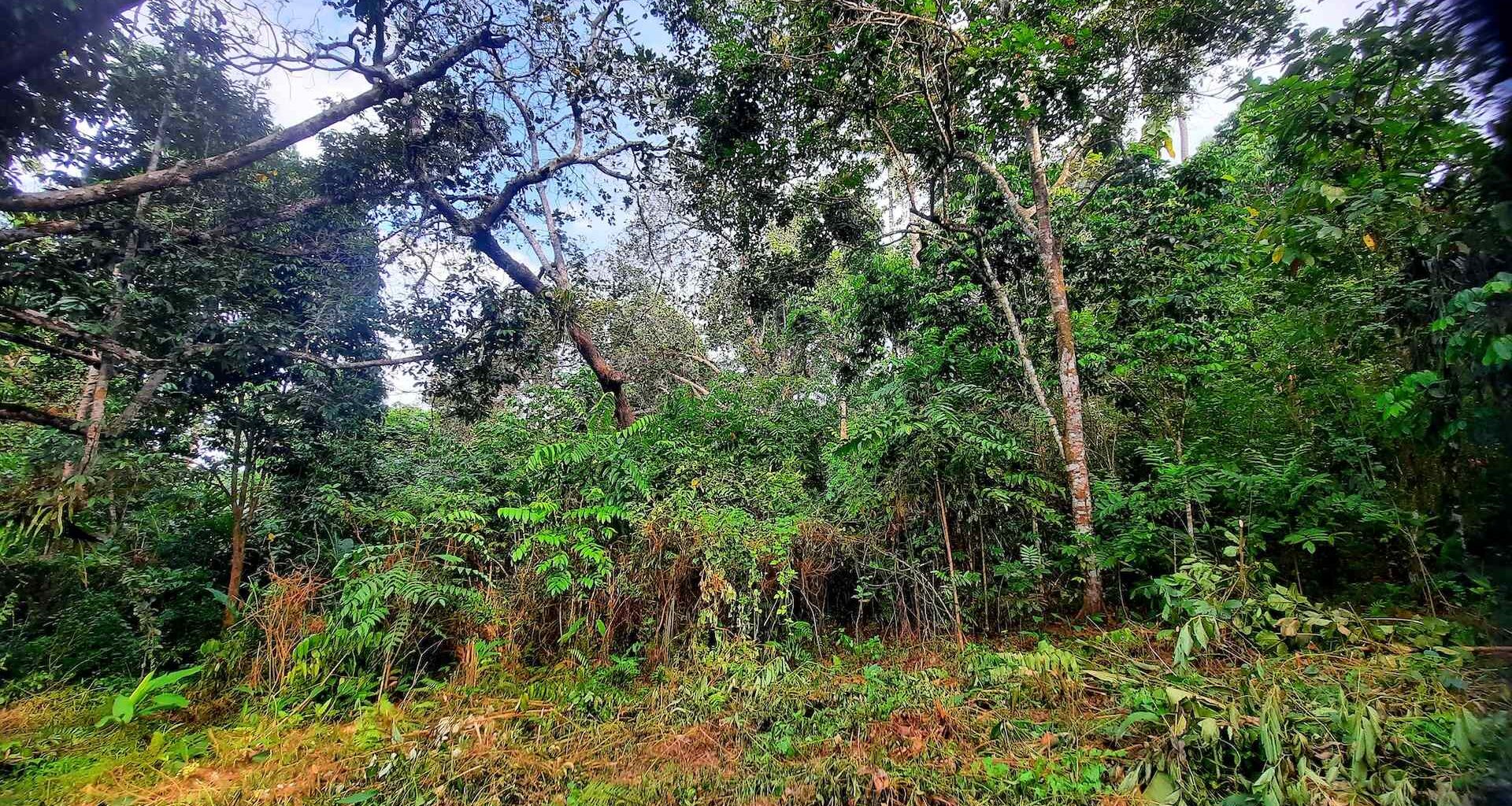
According to The Straits Times, the rare hornbill was found in the Sungei Buloh Wetland Reserve. It’s the first potentially “wild” one seen in Singapore in 200 years.
Birders and wildlife photographers flocked to the wetlands to observe the creature, per the outlet. Those individuals shared plenty of photos of the large black bird with a red-orange bill and a casque resembling a horn.
Bird Society of Singapore Vice President Raghav Narayanswamy said that there have been other rhinoceros hornbill sightings. However, experts believed those animals had escaped captivity, the Times reported.
“Sightings of locally extinct bird species are significant, as they suggest our forests remain connected to the wider region,” Narayanswamy said.
The reappearance of the rhinoceros hornbill could be a positive sign for the environment. Like many other birds, it plays an integral role in seed dispersal, per the Minnesota Zoo. These seeds are crucial to forest regeneration, which is crucial for the human food supply, air quality, logging, and recreation.

Unlock your next great adventure with a high-tech e-bike at an unbeatable price. Upway saves you up to 60% off retail prices from top-tier brands like Specialized, Aventon, Cannondale, and many more.
And this holiday season, you can get an extra $1,500 off your perfect ride, from electric city cruisers and cargo rigs to mountain bikes and road racers.
By extension, the birds’ presence helps maintain habitats for other animals, the Future Zoologist Academy explained.
That said, more effort is required to determine whether the bird is wild or escaped from captivity in Singapore or Johor.
Professor Frank Rheindt said the bird was “likely a wandering individual from Peninsular Malaysia.” Per the Times, he added that forest loss destroyed birds’ natural habitat of old-growth trees with large cavities.
However, there are many ways to keep the rhinoceros hornbill from going extinct — or bring it back to Singapore. Other places and groups around the world have found or reintroduced species to their habitats, including the aplomado falcon, Gilbert’s potoroo, and the night parrot.
Aside from local conservation efforts, such as using trail cameras to track birds’ movements and populations, everyday actions can contribute to wildlife well-being.
According to the Minnesota Zoo, one of the main reasons the rhinoceros hornbill population has dwindled is habitat loss, as much of the forest has been destroyed for palm oil plantations. With that in mind, try purchasing food, cosmetics, and other products with the “responsibly sourced palm oil” label.
Additionally, the Future Zoologist Academy suggested supporting organizations such as BirdLife and the Hornbill Research Foundation.
💰Get TCD’s free newsletters for easy tips to save more, waste less, and make smarter choices — and earn up to $5,000 toward clean upgrades in TCD’s exclusive Rewards Club.
