
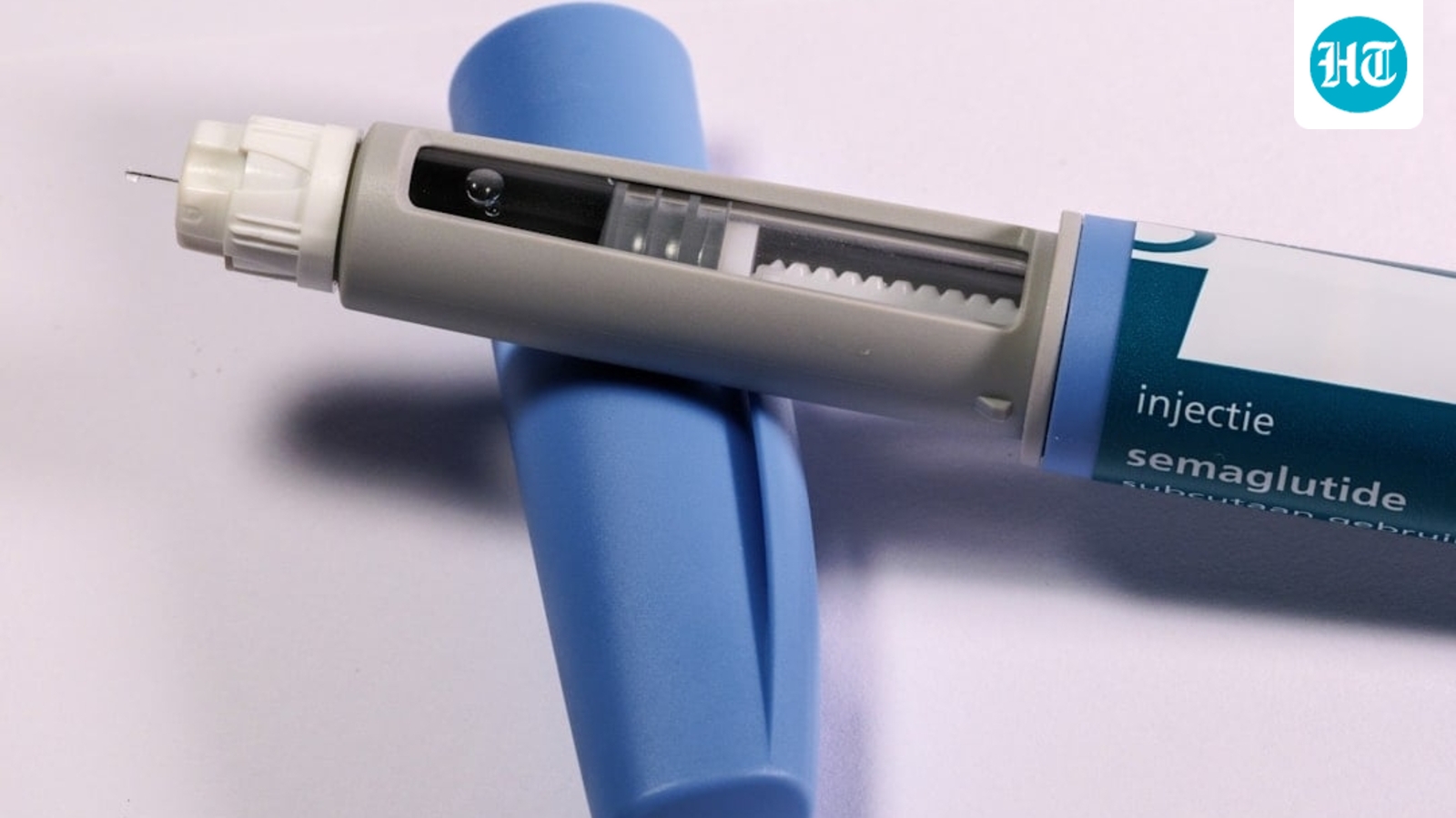
The World Health Organization (WHO) has for the first time issued guidelines on the use of Glucagon-Like Peptide-1 or GLP-1 therapies for treating obesity. This is a major move at a time when the sales of these drugs are rapidly growing across the world. The global organisation has conditionally recommended these weight-loss medications as part of a new approach to treating obesity as a chronic disease.
 WHO issues a global guideline on the use of GLP-1 medicines in treating obesity(Unsplash)
WHO statistics show that obesity caused about 3.7 million deaths around the world each year as of 2024. The number of obese people is expected to double by 2030. WHO developed the GLP-1 medications guideline in response to requests from its member states looking to address the challenges posed by obesity.
What are GLP-1 therapies?
GLP-1 receptor agonists, like liraglutide, semaglutide, and tirzepatide, help control blood sugar, support weight loss, and lower the risk of heart and kidney problems. In September 2025, the World Health Organization (WHO) made an important decision to add GLP-1 therapies to its Essential Medicines List for the management of type 2 diabetes, especially for high-risk groups. Recently, they expanded this guideline to include recommendations for using these therapies to treat obesity.
Dr Tedros Adhanom Ghebreyesus, the Director-General of WHO, says in a press statement: “Obesity is a long-term health issue that can be managed with ongoing care. While some treatments can help, they are not a cure-all. It’s important to use them as part of a broader plan that includes healthy eating, regular exercise, and support from healthcare professionals.”
Who is GLP-1 recommended for?
The WHO conditionally recommends two main ways to use GLP-1 therapies:
These may be used by adults, but excluding pregnant women, for the long-term treatment of obesity. The recommendation is conditional due to limited data on their long-term efficacy and safety, maintenance and discontinuation, their current costs, inadequate health-system preparedness, and potential equity implications, the WHO said.If you are taking GLP-1 medications, the WHO recommends that “you also make healthy lifestyle changes. This means following a structured eating plan and getting regular exercise. Using this combined approach helps you achieve the best results.”Why is Ozempic becoming so popular?
The rise of social media has made many medications, including Ozempic, a semaglutide, very popular as a quick weight-loss solution. But Dr Anish Nagpal, a senior bariatric surgeon, suggests caution. “Your body doesn’t need such medicines if you are otherwise healthy. Young people should be cautious about using Ozempic just for looks without consulting a professional; misusing it can lead to serious health problems, especially with the stomach and pancreas,” Dr Nagpal tells Health Shots.
Medications like Ozempic are part of a larger plan for managing health. They should not replace important lifestyle changes, such as eating a balanced diet and getting regular exercise.
Is obesity a social or individual problem?
The WHO sees obesity as more than just an individual health issue. Their guidelines suggest people need to change the approach towards obesity with a three-part strategy:
Create healthier environments: This means building strong policies that help people stay healthy and prevent obesity.Protect high-risk individuals: To help prevent obesity-related health issues, improve screening opportunities and support for people at risk.Ensure lifelong care: Access to ongoing medical care that focuses on the person is essential.
The WHO guidelines suggest “everyone should have fair access to GLP-1 therapies and health systems to prepare to use these medications properly.” Current estimates show that, even with more production, fewer than 10 percent of people who could benefit from GLP-1 therapies will be able to access them by 2030. So, the WHO has called on the global community to work on various strategies to expand access.
(Note to readers: This article is for informational purposes only and not a substitute for professional medical advice. Always seek the advice of your doctor with any questions about a medical condition.)