
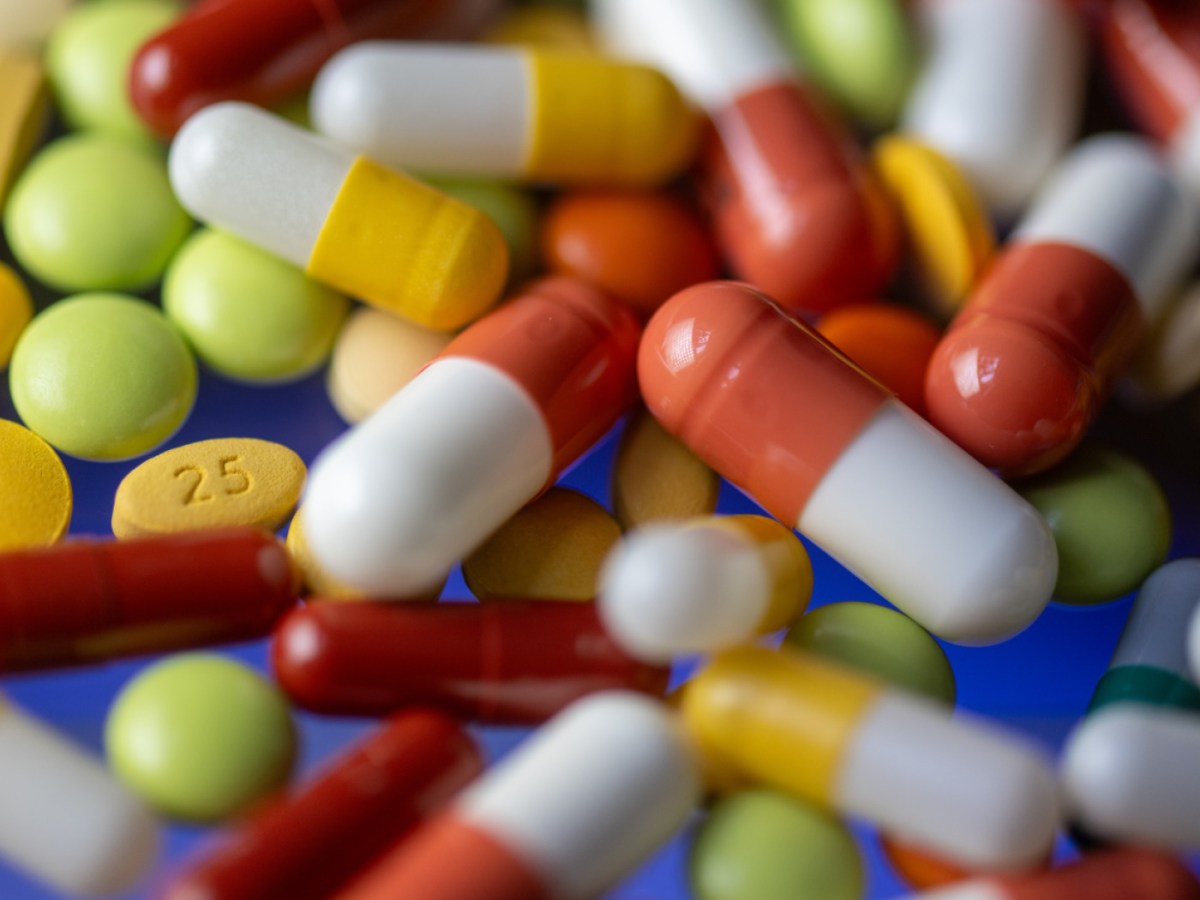
Medicines never more expensive in Switzerland than in 2024, Helsana
Keystone-SDA
Listen to the article
Listening the article
Toggle language selector
English (US)
English (British)
Generated with artificial intelligence.
The cost of medicines included in basic insurance increased year-on-year by 3.6% to a record CHF9.4 billion in 2024, according to health insurer Helsana.
This content was published on
December 2, 2025 – 12:09
+Get the most important news from Switzerland in your inbox
One of the main reasons for this increase is the growing lack of transparency in pricing, says Helsana’s latest drug report.
The report shows that price negotiations between the pharmaceutical industry and the federal government are often based on “declared prices that are artificially inflated”, Helsana stated. The health insurer therefore recommends that such prices should no longer be used as a basis for calculating costs.
+ The high stakes fight over drug prices
Helsana is also calling for an annual cost audit, which, according to the insurer, would speed up price reductions. Currently, this audit, conducted by the Federal Office of Public Health (FOPH), takes place every three years.
According to the Helsana report, in 2023 drug costs in Switzerland had already risen by 5.9% to CHF9.02 billion in the outpatient sector. And for the first time, they represented the largest expenditure item in basic insurance.
In the last ten years, the prices of new medicines have almost doubled. This is also true for products with no innovations, adds Helsana, according to which rapid and consistent implementation of the cost monitoring model adopted by parliament is indispensable.
More
More
The Swiss start-up upending how the world pays for medicine
This content was published on
Feb 1, 2023
Basel start-up Lyfegen wants patients and insurers to stop overpaying for medicine. Its CEO believes the company has the technology to make it happen.
Read more: The Swiss start-up upending how the world pays for medicine
Reforms not yet effective enough
In order to reduce costs, the federal government wanted to promote generic drugs last year. Although the share of the latter has increased, the target of saving CHF 250 million has been ‘largely missed’, according to the Helsana report, which indicates only CHF 76 million saved. For the insurer, consistent implementation of the new legal provisions and additional incentives are needed.
More
More
Swiss Politics
Is there an answer to Switzerland’s spiralling healthcare cost misery?
This content was published on
Sep 27, 2023
Swiss residents must swallow a bitter pill of health insurance premiums rising by 8.7% next year. Is there a way out of this vicious circle?
Read more: Is there an answer to Switzerland’s spiralling healthcare cost misery?
Helsana’s report on medication also revealed the need for further research in the field of gender-specific treatments. According to one analysis, for example, antidepressants are often given to men and women at the same dosage, despite scientific evidence showing that women and men absorb and metabolise the drug differently.
Measures just coming into effect
At the beginning of November, the federal government announced that it had reduced the price of almost 300 drugs by an average of 12% this year. Based on the reductions decided on December 1, savings of at least CHF65 million in healthcare costs are expected.
Since 2017, the FOPH has been examining the prices of a third of the drugs reimbursed by health insurance companies every year. The criteria taken into account are effectiveness, appropriateness and cost-effectiveness.
The review cycle for the period 2023-2025 is expected to result in total savings of at least CHF335 million. The last two cycles (2017-2019 and 2020-2022) had saved a total of CHF740 million for compulsory health insurance.
More
More
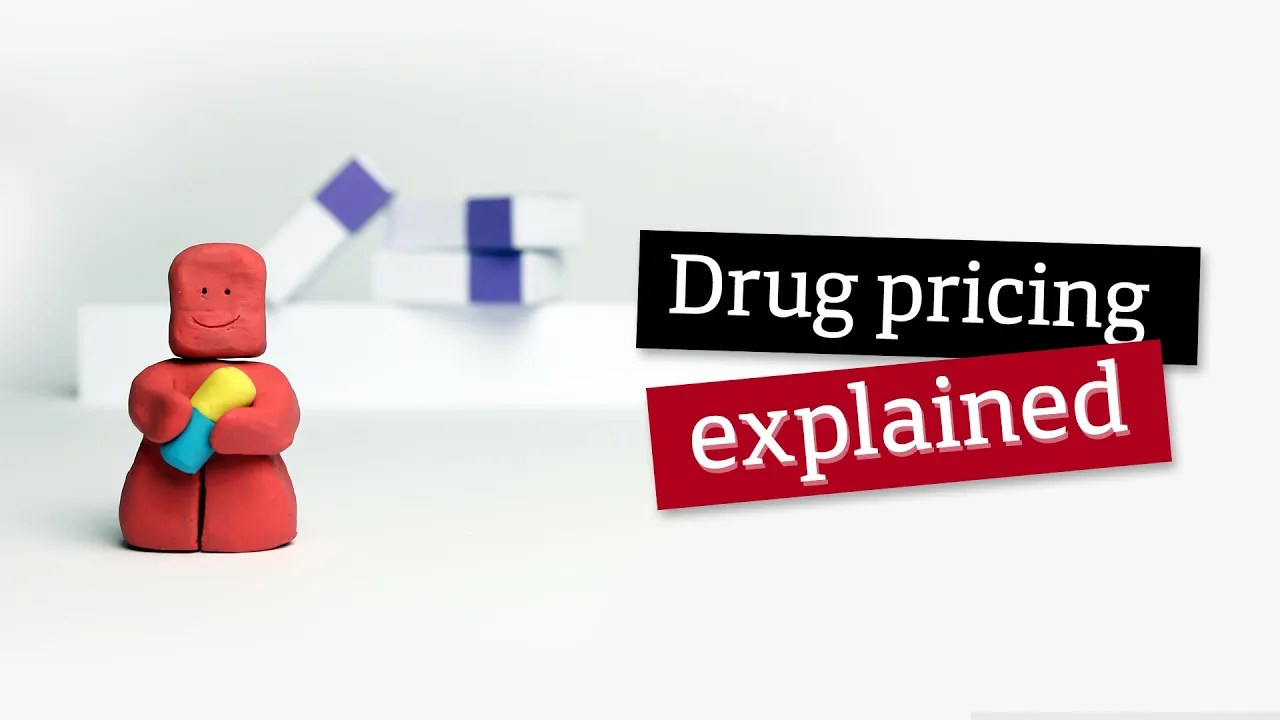
How drug prices are negotiated in Switzerland and beyond
This content was published on
Apr 23, 2024
Switzerland’s pharmaceutical sector supplies drugs worldwide, but not all countries receive them with the same price tag. Here’s why.
Read more: How drug prices are negotiated in Switzerland and beyond
What is your opinion? Join the debate:
Translated from Italian by DeepL/mga
How we work
We select the most relevant news for an international audience and use automatic translation tools to translate them into English. A journalist then reviews the translation for clarity and accuracy before publication.
Providing you with automatically translated news gives us the time to write more in-depth articles. The news stories we select have been written and carefully fact-checked by an external editorial team from news agencies such as Bloomberg or Keystone.
If you have any questions about how we work, write to us at english@swissinfo.ch
Articles in this story