
NWT health officials plan to use licensed practical nurses, paramedics, nurse practitioners and virtual care to improve access to healthcare in small communities.
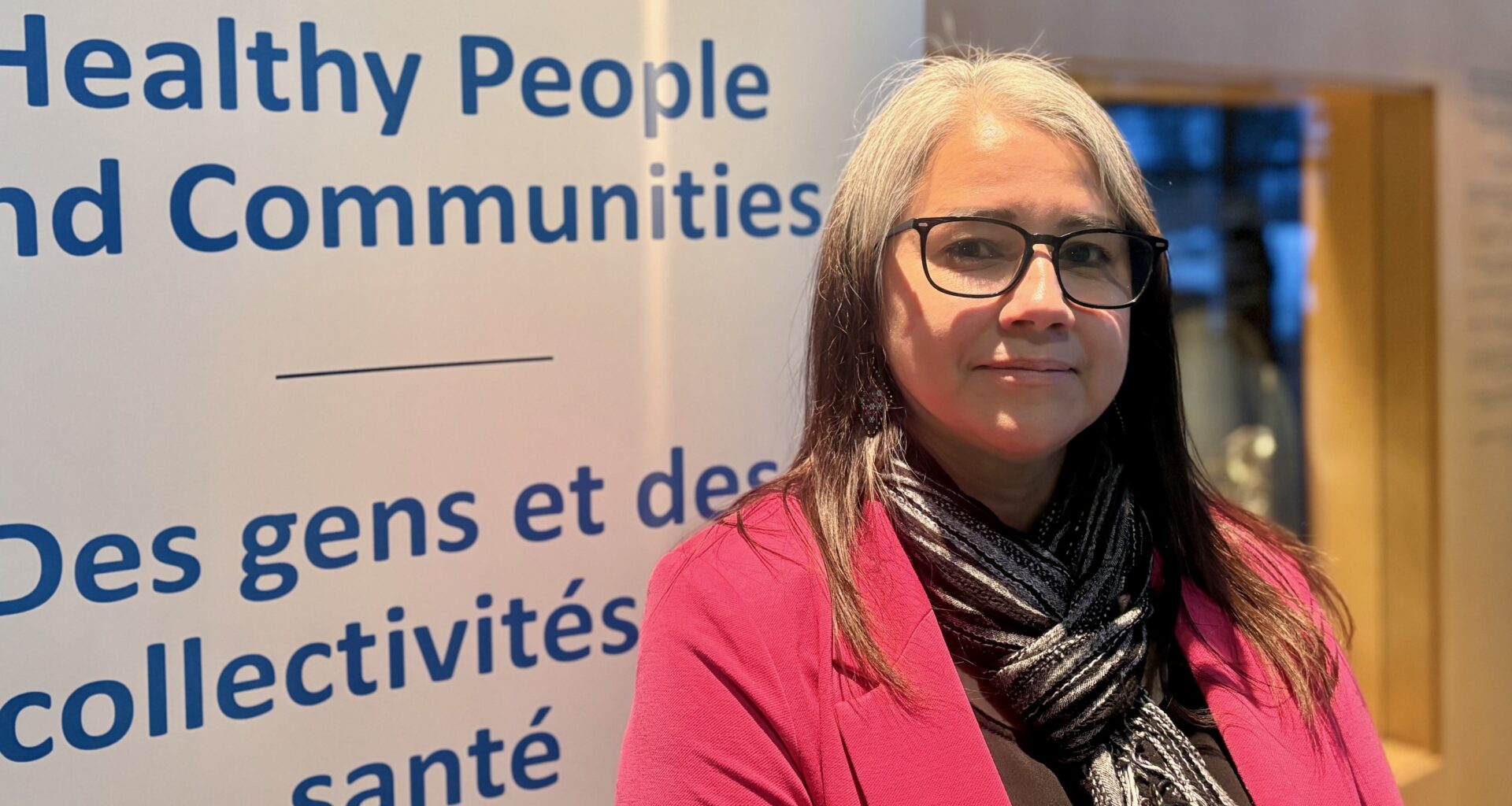
Minister Lesa Semmler, alongside other officials from the Department of Health and Social Services, gave a public briefing this week on progress toward redesigning how healthcare is delivered in small communities amid a national nursing shortage.
“I feel like – as I’ve been travelling through the communities, the small communities – they’re the forgotten land,” Semmler said.
The minister said she has approved work on five recommendations from a review to improve healthcare in communities. That work is expected to be complete by 2028.
“It is my hope that this work will further support residents’ access to care and will reduce health system pressures in acute care,” she said.
Advertisement.
Advertisement.
Sara Chorostkowski, the department’s assistant deputy minister of programs, said work is under way on the first two recommendations – analyzing the use of licensed practical nurses, or LPNs, and paramedics in the NWT. That work is expected to be complete by March 2026.
Chorostkowski said the current use of LPNs and paramedics in the territory’s heatlhcare system is inconsistent.
“We need to fine-tune, standardize and formalize the use of these roles,” she said.
Chorostkowski added that health officials want to use LPNs and paramedics to support – not replace – community health nurses.
Advertisement.
Advertisement.
“We have a recruitment challenge and so we need to be able to implement other types of health professionals into our system,” Semmler said.
Other planned work includes:
developing a blueprint to support the integration of LPNs and paramedics into the health system;
turning NWT community health nursing administrative policies and guidelines into standards; and
continuing work to recruit and retain community health nurses.
Semmler said her department and health authorities are also looking at tools such as virtual stethoscopes and ultrasounds.
“Realistically, you’re not going to get a sonographer to go into all these communities, then we’re going to be sending people out,” she said. “The goal of this is to be able to do as much at home as we possibly can.”
Beyond redesigning the small community care model, Semmler said primary care reform is also under way.
She said that includes an initiative in which nurse practitioners are spending rotations at health cabins in the Dehcho region.
Semmler added community wellness workers now have access to electronical medical records and are being provided training to increase their skillset.
That includes training on how to use equipment such as automated external defibrillators, check for vital signs and conduct pregnancy tests.
Advertisement.
Advertisement.
Range Lake MLA Kieron Testart was critical of the department’s plans.
“My overall feeling with this plan is you’re doing a lot of investigations. You’re not doing a lot of actions, and we know the problems have been persistent for a long time,” he said.
He called for shorter timelines to complete the recommendations.
Semmler said the work is “multifaceted” and argued that analysis and policies are needed prior to implementation, to ensure different healthcare professionals understand their roles within the system.
Related Articles