
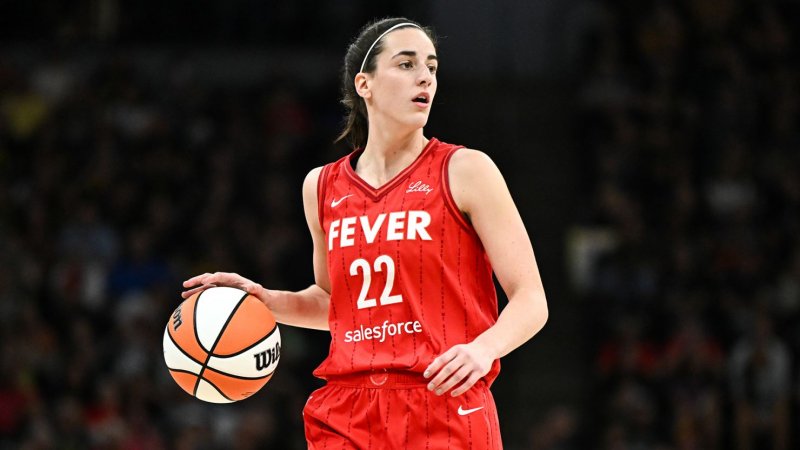
Caitlin Clark has become a standout in women’s basketball, not only for her performance on the court but also for her massive market appeal off it.
In 2025, she reportedly earned around $16 million through sponsorships and endorsements, far surpassing her WNBA salary with the Indiana Fever, News.Az reports, citing Marca.
Major deals with brands such as Nike, Gatorade, State Farm, and Wilson have become the primary source of her income.
By comparison, Clark’s base WNBA salary remains modest. Under her rookie contract with the Fever, she earned just $78,066 in 2025. Even when factoring in bonuses for personal achievements and team performance, her total on-court earnings amount to only a few tens of thousands of dollars.
According to reports, over 99 percent of her total 2025 earnings came from offcourt deals, highlighting just how disproportionate the salarytoendorsement ratio has become.
When Clark joined the league with the Fever, she signed a fouryear rookie contract worth around $338,056.
It was a number that demonstrated how underpaid even top talent can be in the WNBA, given she was the no.1 overall pick in the 2024 WNBA Draft.
Her impact, however, goes far beyond individual statistics. Analysts argue that her presence has transformed the visibility of the WNBA, spurring massive increases in attendance, merchandise, viewership, and fan interest.
That influence has made her not just a star on the court – but a valuable brand for sponsors and marketers. But her playing salary remains low compared to many professional athletes, and in particular, her male counterparts in the NBA.
Fortunately, her endorsement value reflects her true commercial impact and has allowed the 23-year-old to rake in millions.
Clark’s situation highlights a recurring debate in women’s sports about what constitutes a fair salary.
Many stars in the WNBA and beyond earn the bulk of their income through endorsements rather than league salaries. This raises questions about compensation structures, revenue sharing, and the longterm sustainability of relying so heavily on offfield earnings.
For Clark, the $16 million haul isn’t just personal success, it shows her status not only as a basketball talent, but as a commercial force. It also proves that top female athletes can demand their value is met, even when institutional pay remains low.
As the WNBA negotiates its next collective bargaining agreement (CBA), cases like Clark’s will likely fuel discussions around pay equity, revenuesharing, and how to reward athletes whose impact off the court rivals their oncourt relevance.
But the reality is already stark: her endorsements dwarf her playing salary, a discrepancy that reflects both the limitations of league pay structures and the growing value of her personal brand. It leaves the WNBA exposed to high-paying breakaway leagues if they do not fix the issue.
Whether the league adjusts to reflect that – or continues relying on sponsorships and bonuses – remains to be seen. But it’s clear for many elite players, the game off the court has become as important as the game on it.