
The Oppo Find X9 Pro is an excellent flagship phone, but it’s best suited to a very specific subset of photography enthusiasts.
Pros
Cons
Incredible cameras, including optional Hasselblad Lens
Hasselblad lens is a chore to install and use
Great battery endurance
Limited range of colour choices
Good app performance
Expensive
Score: 4/5
If you buy a product using the link above, ART may earn a small commission.
In this review
Oppo Find X9 Pro Specifications
Oppo Find X9 Pro Design
Oppo Find X9 Pro Camera
Oppo Find X9 Pro Performance
Oppo Find X9 Pro Battery
Oppo Find X9 Pro Verdict
Ethical disclaimer: The Oppo Find X9 Pro used in this review was loaned to me for a two week period by Oppo Australia. That’s the start and end of Oppo’s influence over this review; all observations, tests, opinions and evaluations are 100% mine without undue commercial interference or oversight.
Plenty of other sites won’t mention this, and I think it’s worth your while asking why that is, and what it says about how much you can trust their reviews – or in many cases, why you can’t.
For more on ART’s Ethics position, see here.
Design
The Oppo Find X9 Pro is Oppo’s 2025 flagship, and it’s one that dropped onto my review desk after I’d reviewed the Oppo Find X9, it’s somewhat less expensive sibling:
Also read:
Typically with premium phones in a series I’ll advise to go for the best unit you can afford; you’re already paying premium money so you may as well get the best you can rather than accepting the compromises built into the lower cost models.
With a price gap of $500 however, the Oppo Find X9 Pro had to do a lot to impress me, because I did really like the regular Find X9 a lot.
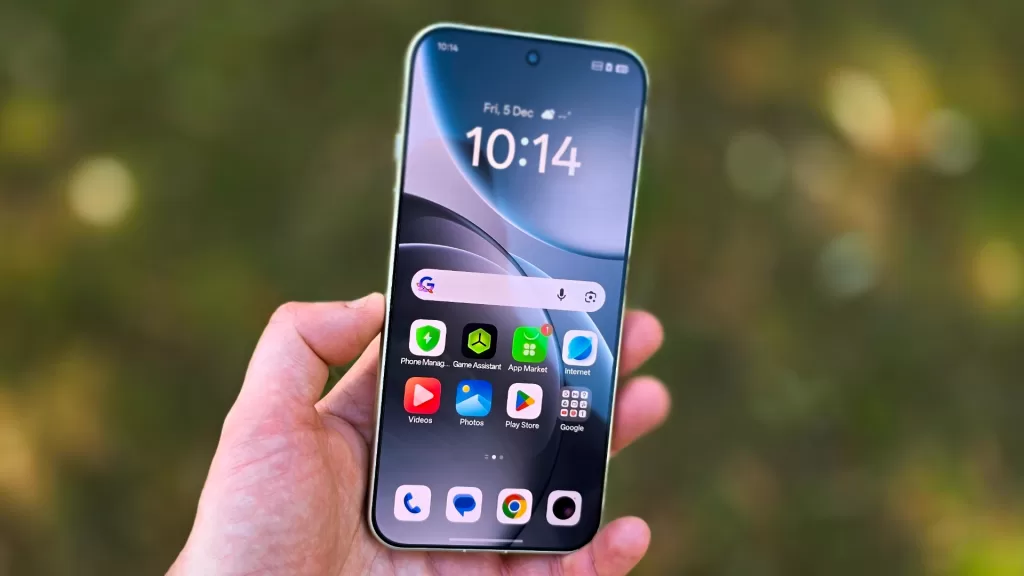
The Oppo Find X9 Pro is built around a 6.78 inch 120Hz LTPO AMOLED display, which means it starts out a little slicker than the Find X9’s 6.59 inch AMOLED 120Hz, not just for size but also for the fact that it can shift from 1-120Hz where the Find X9 is a 60 or 120Hz phone only. If you’re paying premium money you should absolutely be getting the best possible display.
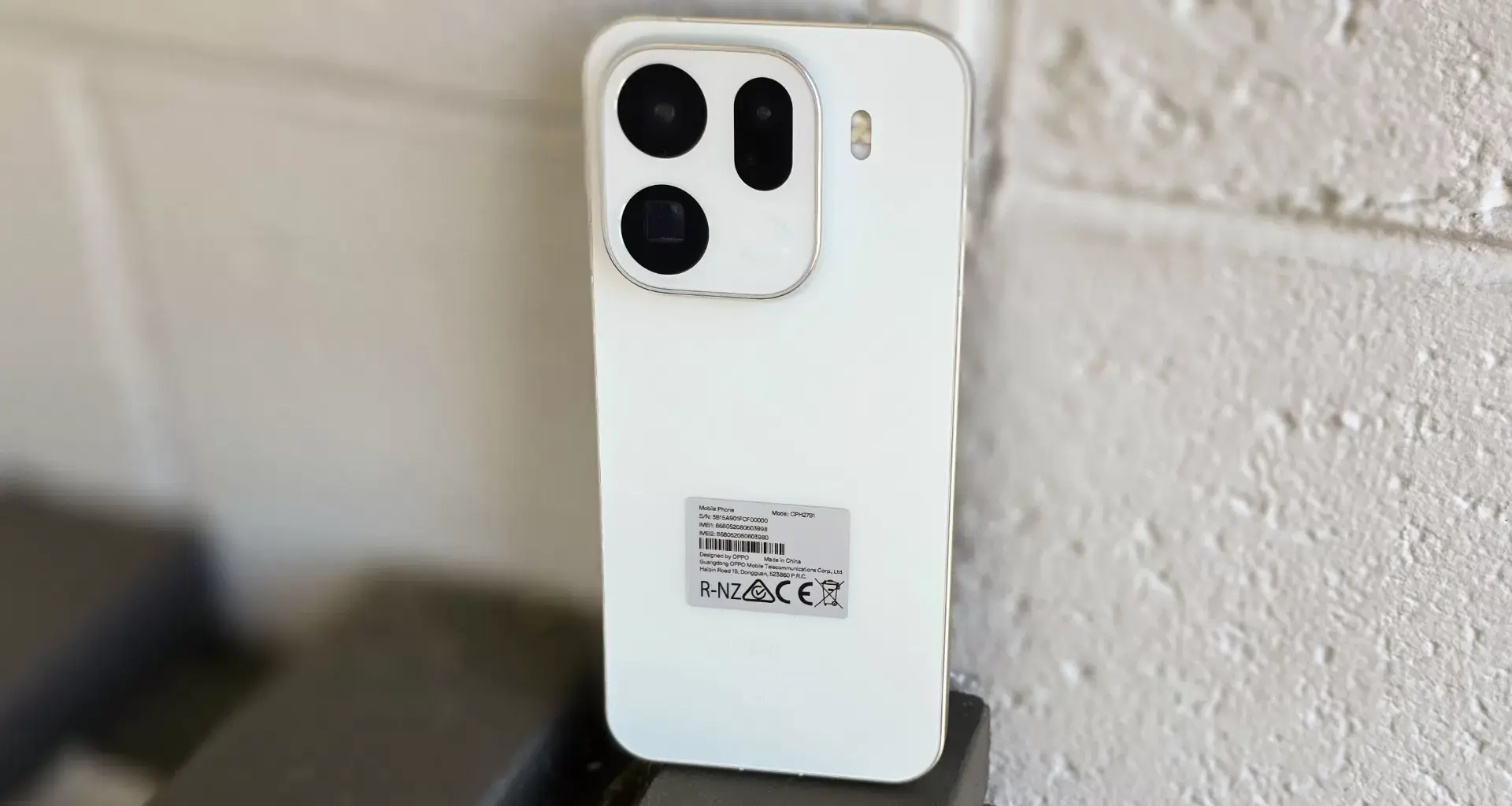
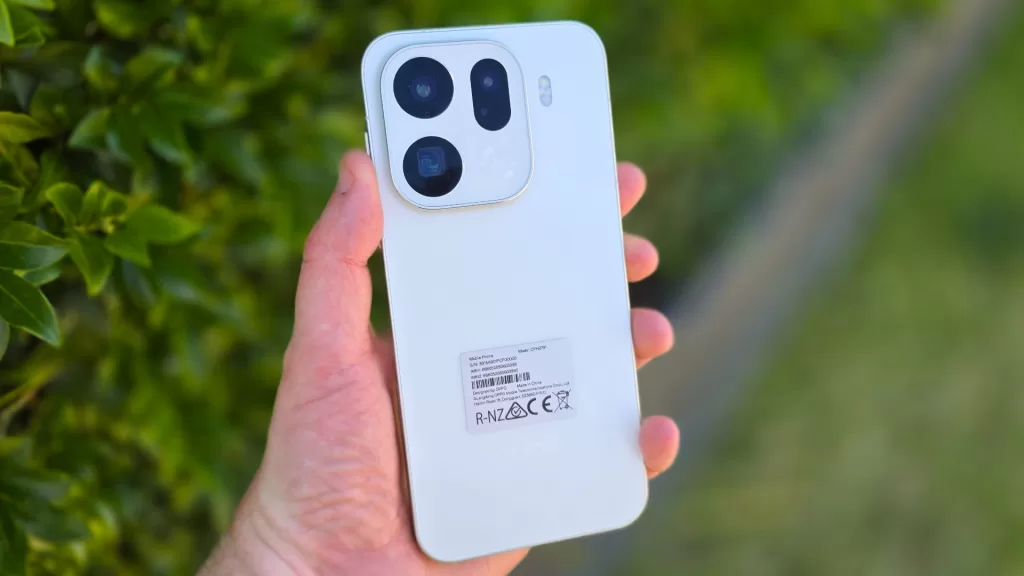
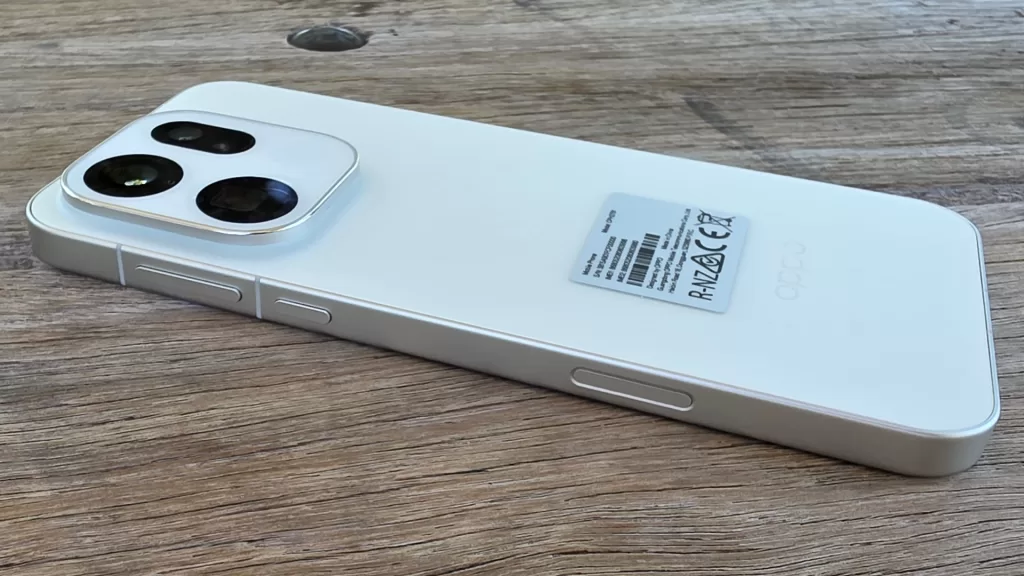
The Oppo Find X9 Pro feels premium in the hand, wrapped in a matte metallic finish that does a fair job of repelling fingerprints.
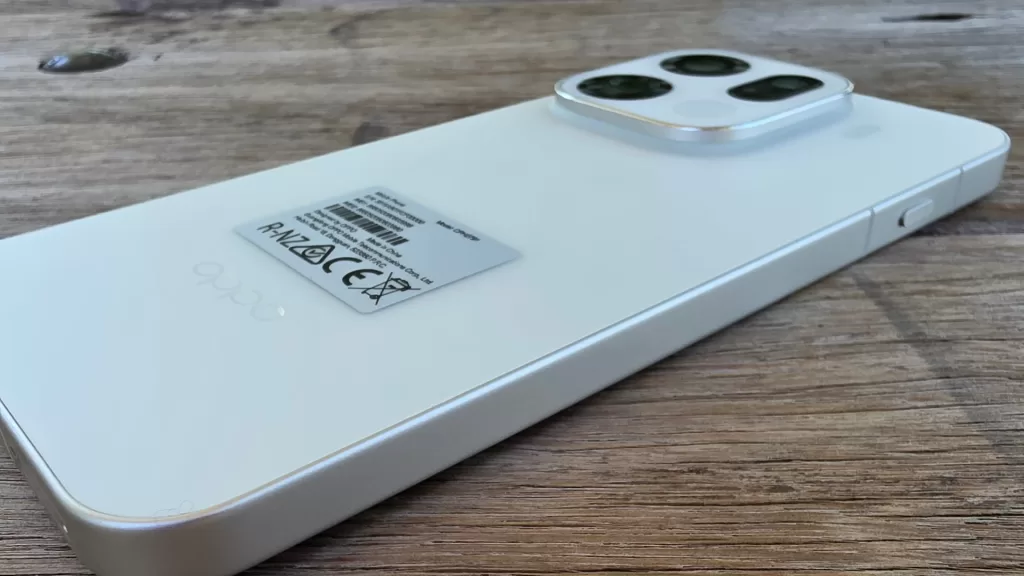
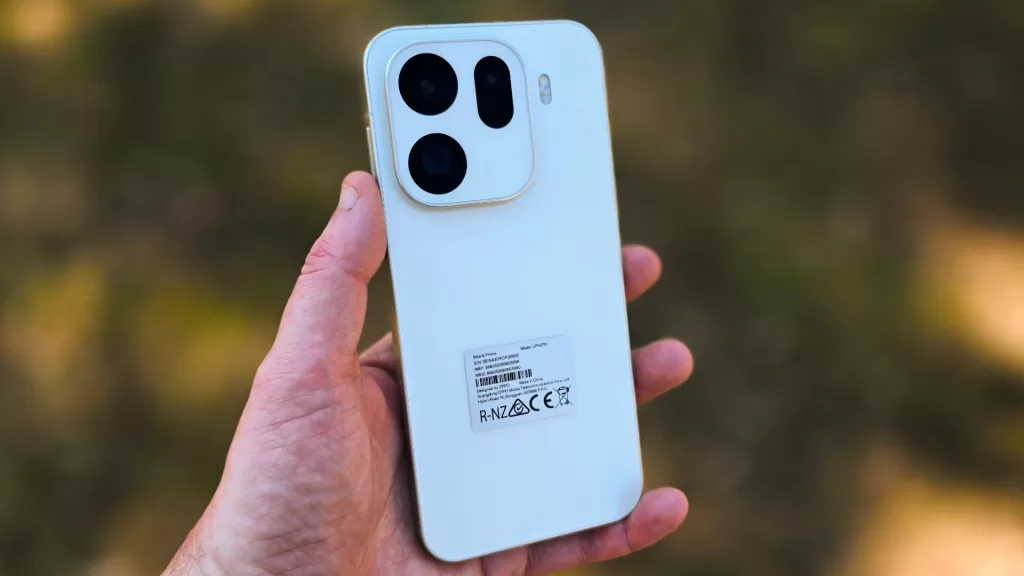
In Australia Oppo sells the Oppo Find X9 Pro in Titanium Charcoal or Silk White finishes – it’s the latter I’ve been testing – and while it’s got a nice elegant sheen to it, I’m once again struck by the fact that so many flagships just opt for a businesslike set of colour choices.
Where’s the fun for my money, Oppo? Give me some interesting or eye-catching colour choices, not just something that looks like the floor of a Roman emperor’s palace!
It turns out that Oppo does make a much more eye-catching variant of the Oppo Find X9 Pro in a “Red Velvet” finish… but if you want that model, you’d have to take the risk with importing it, as it’s not for sale in Australia through Oppo Australia.
The controls on the Oppo Find X9 Pro mostly mirror those of the smaller Find X9, with power/assistant button and volume controls on the left hand side and the iPhone-mimicking “Snap Key” on the right.
With an eye to its camera prowess – and something of a nod again to the way that Apple’s iPhone lineup manages camera shots – there’s also a dedicated “Quick Button” for basic camera control on the lower right hand side of the phone.
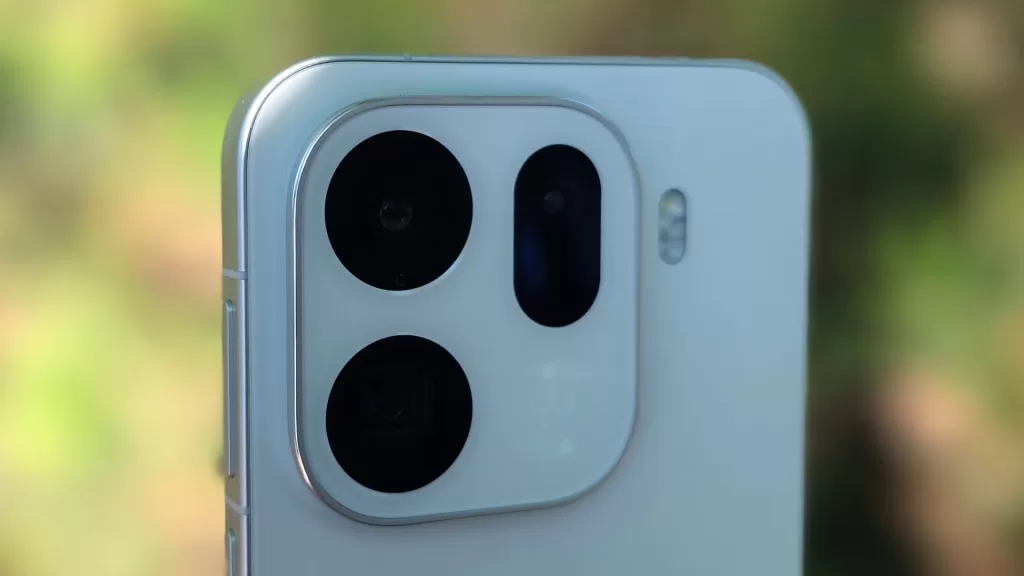
Flip the Oppo Find X9 Pro around and you’re met with a prominent square camera bump at the upper left hand side, making this yet another phone that will never sit flush on a desk. The bump is at least large enough to prop the phone up when it’s placed down on a surface so it’s not as likely to wobble or slip around as some phones do.
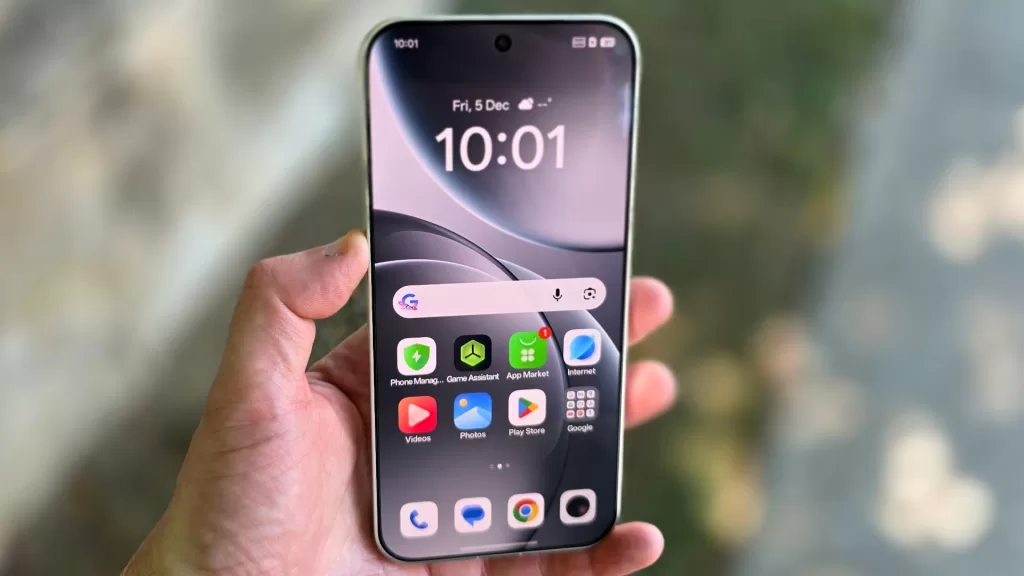
On the durability front, Oppo rates the Oppo Find X9 Pro at IP69 with Corning Gorilla Glass Victus 2 to protect the display.
As I’ve noted before, I don’t run unscientific drop or smash tests on phones, but I will note that without a case, the Oppo Find X9 Pro is somewhat slippery in the hand. Be careful, because (at least for the Australian unit tested) there’s no supplied case in the box with the phone.
Buying one would be a very wise investment unless you’re entirely blasé about risking a $2,299 phone all the time.
Camera
I noted in my review of the Oppo Find X9 that the Pro variant was going to live and die as its value proposition on its cameras, and especially on how important pro-level camera quality is to you.
Does the Oppo Find X9 Pro bring the camera goods?
Oh my yes.
This is a superb camera phone on its own merits, with a rear array of sensors comprising 50MP Wide, 50MP 120° Ultra-Wide and 200MP Telephoto plus a 2MP Monochrome sensor for image sharpening, while the front facing camera packs in a 50MP sensor for your selfie needs.

I will never be pretty — I’m OK with that — but the Oppo Find X9 Pro at least avoids over-smoothing or other alien-looking “beautification” traps by default. It’s just… me.
Megapixel counts are not the be-all and end-all of camera quality, however – you can get 50MP sensors in very cheap phones after all – but Oppo’s secret sauce here is a tie-up with serious camera makers Hasselblad, including some Hasselblad-specific shooting modes.
By itself, the Oppo Find is a good camera for most shooting situations, grabbing focus quickly and delivering nicely realistic results. There was a time where Oppo’s post-processing tended towards the garishly coloured, but it appears that Hasselblad (or perhaps learned experience) has reined that in markedly.

Nice natural colours are easy to achieve with the Oppo Find X9 Pro.

You can go quite manual with the Find X9 Pro — and I suspect many will — but even ad-hoc shots, like this one can turn out quite well.

I suspect this wombat has spotted me.

The odds of me doing camera testing with cat photos are essentially 100%.

Make that 110%.
Macro shots are also great and while (as always) patience with macro is a virtue, you can still get some excellent results quite easily.

It helps taking macro shots with the Oppo Find X9 Pro when the snake is unlikely to move, mind you.
You can also opt to take a direct 200MP photo if you want plenty of detail, though this is best reserved for shots where you figure you’re likely to crop in to a serious extent. Take for example this 200MP shot of some wood chips:

Taking a 200MP photo is a little slower than a regular shot, but it does allow you to crop in very close before losing detail:

Same shot, extremely cropped.
On the zoom front, the telephoto sensor on the Oppo Find X9 Pro can be pushed up to 120x. Oppo’s made an interesting choice here, because last year’s Oppo Find X8 Pro packed in two 50MP telephoto lenses at 3x and 6x respectively, distinct from the single 200MP telephoto 3x sensor you get here.
Like last year’s model, those extreme zoom ranges are meant to be smoothed over with some AI-post processing, and like everyone else’s hefty zooms, it’s very much a question of what you shoot and how well it can interpret those scenes.
Using them on human faces is a great way to drop subjects into their own virtual witness protection program, because the results are always horrible. I won’t publish the test shots I took while out and about because I don’t like intruding on people’s privacy that much, but I can demonstrate what I mean with some simple landscape shots.
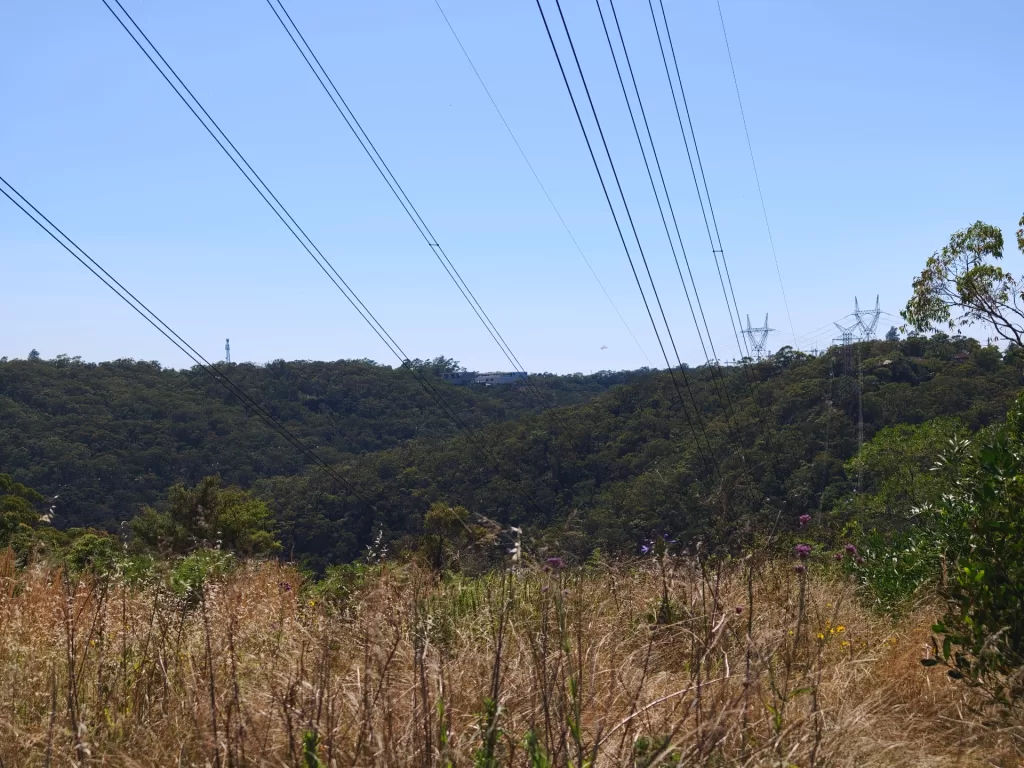
It’s fine, and there’s a building in the far distance I’d like to look at. So I shall.
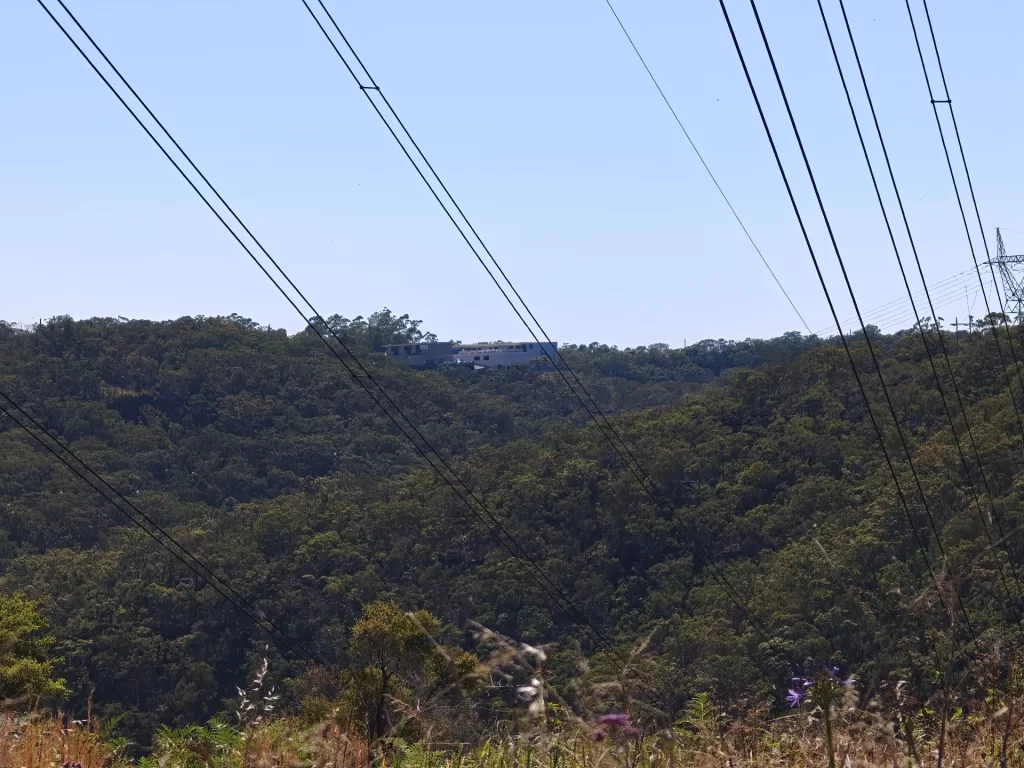
6x gets me closer and is perfectly fine because a 200MP sensor can take a lot of cropping before losing quality

60x is reasonable, though you can start to see the AI smoothing trying to match up bits of the building that don’t quite look right, unless the building is secretly made out of ice cream rather than concrete.
At 120x, however, the AI tries to smooth things over a bit too much…and it does not go well:

Architect: Salvador Dali, possibly.
Very long AI-assisted zooms are pretty much always poor this way; to give this some context I used the 100x zoom on the Samsung Galaxy S25 Ultra at the same time, and it’s worse than the Oppo in this respect:

Keeping the zoom to moderate levels can however give you some good results.

This looks like a macro shot, but it’s actually a zoom one. The level of detail is very nice indeed.
The Oppo Find X9 Pro does have a dedicated camera control button, a la the iPhone, though in Oppo-speak it’s the “Quick Button”, allowing for taking shots or simple zooming if you softly run your finger across its surface.
The issue I had with the Quick Button was the same one I have with the Camera Control Button, because I do feel like it’s solving a problem that few have, and doing so in a way that just doesn’t feel all that ergonomic unless you’re holding the phone in portrait orientation.
In landscape modes, my fingers have to stretch that little bit too far to be comfortable, at which point I’m more inclined to either use the on-screen shutter or stretch the fingers of my left hand to the volume buttons, which also still act as shutter releases at a shorter distance. Anyone with really long spindly fingers care to chime in on why the Quick Button is a must-have, because I honestly don’t see it.
The tie-up with Hassleblad isn’t just limited to camera optimisations, with an optional $699 Hasselblad Teleconverter Kit available for the Oppo Find X9 Pro that adds 10x optical zoom capabilities.
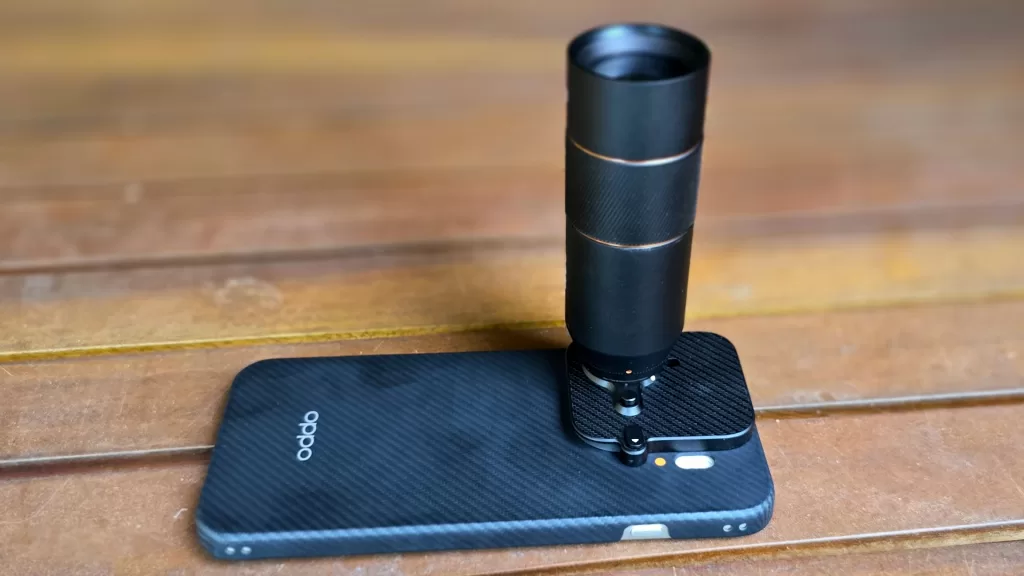
While Oppo might support the Teleconverter for future phones – only Oppo knows for sure what models those might be – the kit is currently only compatible with the Oppo Find X9 Pro, not the lower-cost Find X9.
As an aside, it amuses me a lot that the teleconverter kit comes in a box that’s massively larger than the box the Find X9 Pro comes in, though I’m not sure if this is just a review kit model that’s been particularly fancied up to try to impress reviewers.
Maybe not, though, given Hasselblad’s own premium positioning. It’s a lot of cardboard to house just a few parts that you need to use the teleconverter kit, which gives you zoom ranges from 10x up to an impressive 200x.
I was curious to see whether or not the Hasselblad Teleconverter Kit could deliver pleasing images, and the short answer is that yes, it absolutely can – but with a pretty significant set of caveats in play.
First up, let’s put the Hasselblad Teleconverter Kit through the same cross-valley building photo test, just to show what it can do:
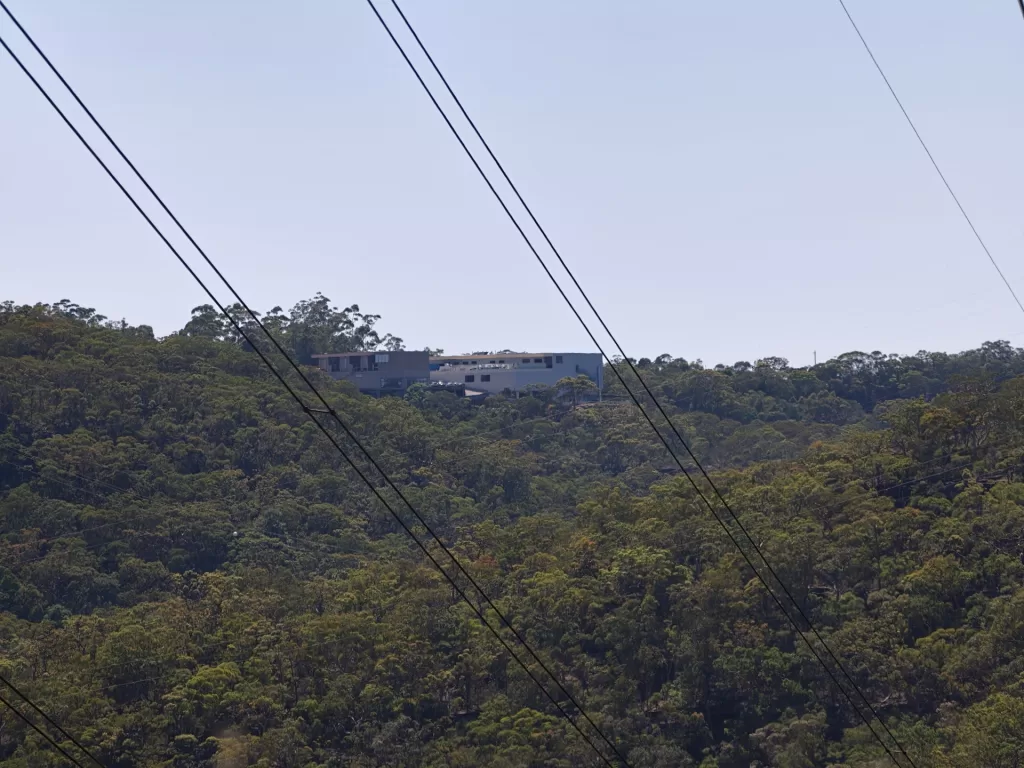
The 10x zoom shot with the Hasselblad lens looks good, but let’s get a little closer.

20x is also solid, but we can get much closer than this.
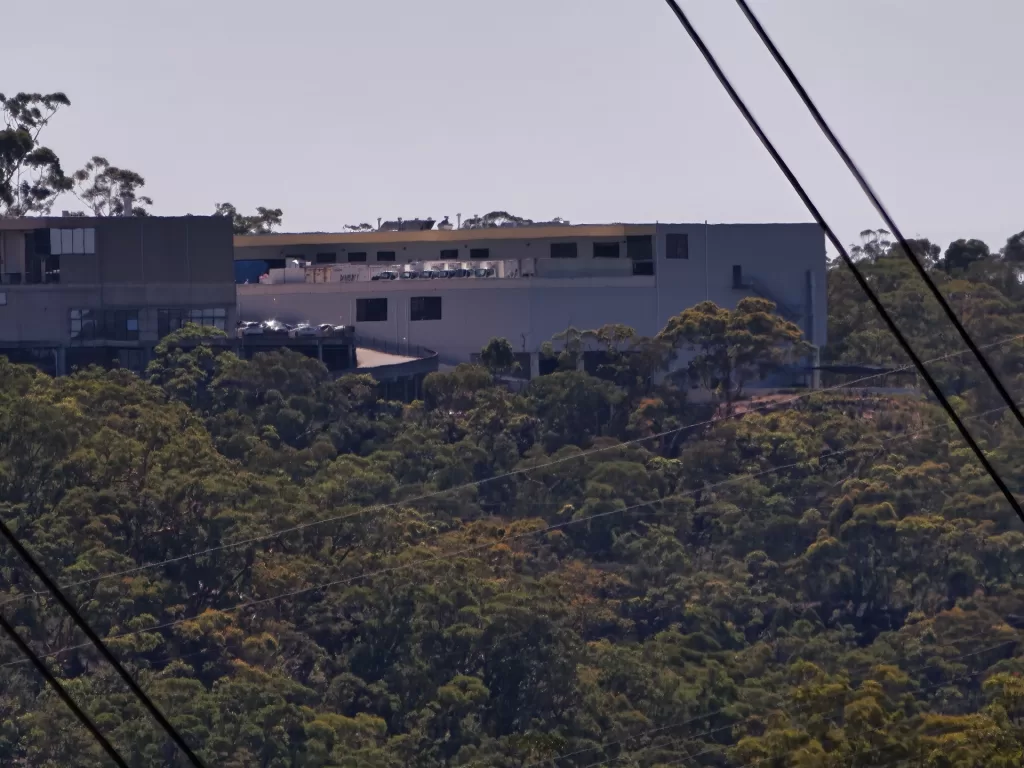
40x is decent, though at this kind of length and with the weight of the lens, taking handheld shots smoothly becomes quite awkward.
You can push matters all the way up to 200x zoom, and it will try some AI smoothing when you do… but seriously, you shouldn’t, especially if (like me in this test situation) you’re doing so handheld without a tripod.

That’s.. something. I’m not sure what something it is, mind you.
Using the Hasselblad Teleconverter Kit with the Oppo Find X9 Pro is a very fiddly process. The kit comes with a magnetic case (which also adds faux Qi2 style charging capabilities) that you have to place on the phone.
So far, so fine, but then the mounting plate also has to be snapped into place, and this covers all but one lens, meaning that you cannot shift from shooting with the Teleconverter without removing it every time. Finally, once the mounting plate is in place, you can place and twist the actual 10x Hasselblad lens in place.
It’s an impressive looking bit of kit that does create something of the illusion of using a full DSLR, but it also substantially changes the weight of the phone.
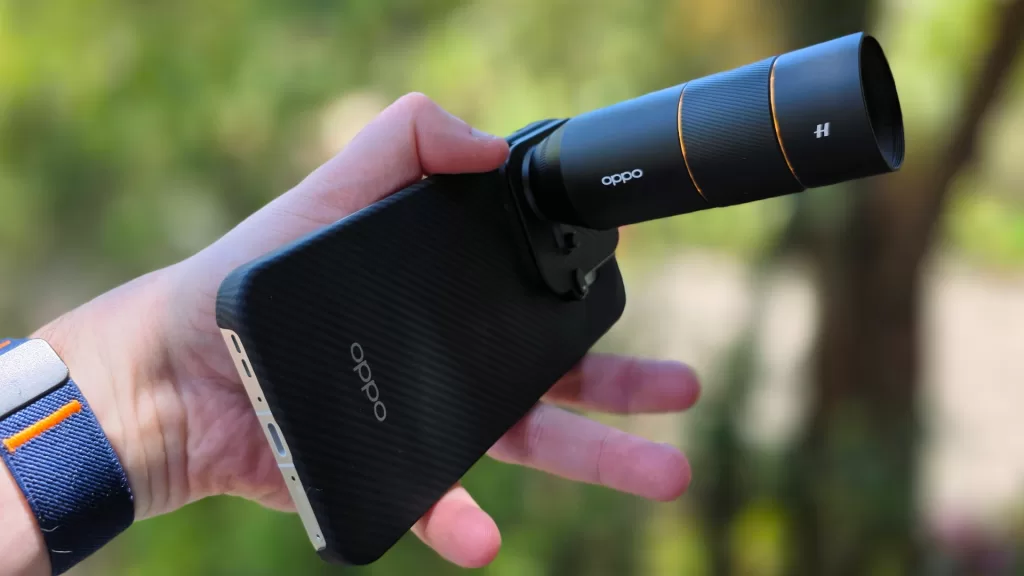
That’s unavoidable when you’re adding this much glass to a phone, but it does make it harder to use without a tripod to hand. A tripod mounting bracket is also included, and it’s advisable especially at those longer zoom lengths where getting stable shots is quite tricky.
The Hasselblad Teleconverter also only works properly in its specific shooting mode within Oppo’s camera app, and by its nature it’s quite unwieldy when it’s installed. Forget putting the Oppo Find X9 Pro into your pants pocket unless you happen to be MC Hammer, and even then it’d be a tight fit.

You don’t have to use the Hasselblad Teleconverter just for extreme zooms; it’s also rather nice for spot effects, like the shot above.

Santa must be boiling in that suit (and I bet that Koala is scratching up his shoulder something fierce too).
Performance
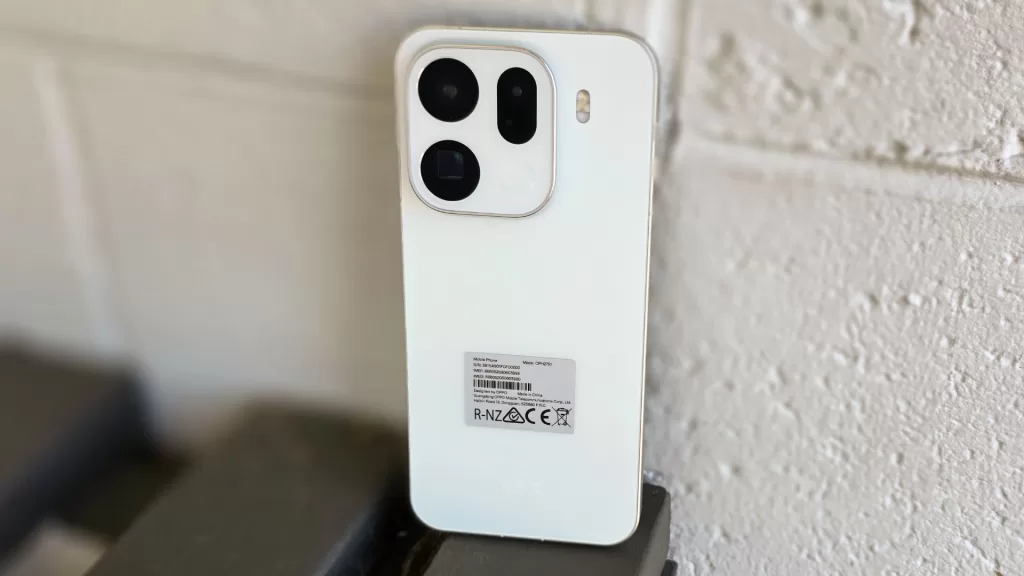
The Oppo Find X9 Pro is, like the smaller Find X9, built around MediaTek’s Dimensity 9500 processor with 16GB of RAM and 512GB of fixed storage on board, a slight bump up from the 12GB of RAM and 512GB in its smaller sibling’s frame.
MediaTek has, in recent years really brought the battle to Qualcomm when it comes to the best mix of power, battery endurance and price points, and as Oppo’s true flagship phone for the year I was keen to see how the Oppo Find X9 Pro compares against other flagships, as well as some of its own brand devices.
Here’s how it compares using Geekbench 6’s CPU test:
Samsung’s particularly honed Snapdragon 8 Elite for Galaxy still rules the roost here, and it’s not surprising to see the Find X9 and Find X9 Pro running neck and neck here, because they’re basically the same phone in CPU terms.
Still, this is a solid result for a flagship phone, and for most use cases the Oppo Find X9 Pro will have more than enough power.
Also read:
Samsung Galaxy S25 Ultra Review


If gaming or higher-end graphics manipulation is more your bag, the Oppo Find X9 Pro performs very well indeed. Here’s how it compares using 3Dmark’s Wild Life Extreme benchmark:
Oppo uses its own ColorOS overlay on top of Android 16 for the Oppo Find X9 Pro with the promise of five years of operating system upgrades and six years of security updates. That’s a little behind the pace of Samsung or Google, both of whom promise seven years of both with their flagships.
ColorOS itself is very bright and still carries some traces of the iOS clone it used to be. It’s totally a taste matter as to whether you like its bright icons and squared off style. I’m not a huge fan personally, but it’s certainly not something that would stop me using the Oppo Find X9 Pro, and being Android, it’s also configurable for other presentation styles.
The Oppo Find X9 Pro does ship with a fair amount of “extra” software – there’s a less polite term for this kind of thing, but let’s go with “extra” for the sake of politeness – including TikTok, LinkedIn, Temu and AliExpress, as well as Oppo’s own App Market alongside Google Play.
I’m not a fan of crapware but it absolutely exists because money changes hands; I’d uninstall it pronto if I were you, but tastes can vary. I do like the potential for alternative app stores and the way that can build competition, but sadly every time I open App Market I find more apps that sit on the dubious side than I’d really like.
As an example, at the time of writing this review, apparently the 8th most popular game on App Market is – and I quote – “Vehicle Masters Car Driver 3D”, a game name that I’m pretty sure was written by an AI-powered SEO robot, and possibly programmed by it too.
I… wouldn’t if I were you.
Battery
As the actual flagship of Oppo’s 2025 range, it’s not surprising to see the Oppo Find X9 Pro carrying the company’s biggest battery capacity, at 7,500mAh. That’s an immense battery size for an Android phone, and nicely ahead of its sibling Find X9’s 7025mAh battery pack too.
Big numbers sound impressive, but as always it’s worth knowing what those big numbers equate to in real world usage. First stop, my standard YouTube 3 hour battery benchmark test. Here’s how the Oppo Find X9 Pro compares:
I could have put the cheaper Oppo Find X9 at the top of that table, given its identical performance from a smaller battery, but I didn’t, largely because of how very well the Oppo Find X9 Pro performs in anecdotal tests.
This is a phone where the battery does just keep on keeping on, making two-day battery life a very real possibility for most users.
Once you get past that kind of benchmark for all but the most remote or rare use cases, I’m not sure where you go. I did hammer the Oppo Find X9 Pro on a single day with heavy game usage just to prove to myself that it could go flat in a day, and guess what happened?
Yes, that’s right, it went flat.
There still isn’t a phone whose battery I cannot defeat in a single day, but I did have to work appreciably hard to get there, and that’s commendable in and of itself.
Oppo has its own fast charging standard, SUPERVOOC, and naturally the Oppo Find X9 Pro is compatible with that, charging at up to 80W. Oppo does – at least for the Australian model I’ve tested – supply a charger in the box, too, which is a big point of difference from its premium competitors.
My prior experience with SuperVOOC chargers is that they do work but can be somewhat temperamental if you try to use them for other gadgets. Thankfully the same is not true in reverse; the Oppo Find X9 Pro also happily charged from other high capacity chargers I had handy, even stating that it was using “SuperVOOC” charging when doing so. I suspect that’s just the software declaring that any charge above a certain level is defined as “faster” charging.
On the wireless charging front, the Oppo Find X9 supports up to 50W wireless charging, but that’s only with Oppo’s own in-house AIRVOOC charger, which I’ve never been able to test on any Oppo phone, this one included.
If you’re in the more regular Qi/Qi2 space for wireless charging, it will function from a wireless charger, but at a considerably slower rate. For what it’s worth, the included case with the Hasselblad Teleconverter kit includes a magnetic ring that works for wireless charing orientation, but I kind of feel that spending $699 on a phone case might just be a case of overkill.
Oppo Find X9 Pro: Alex’s Verdict
The Oppo Find X9 Pro is a very good phone, easily one of the year’s best phones in fact. If you’re very keen on photography, and especially the potential of that Teleconverter kit, there’s a lot of appeal here straight away.
However… this isn’t a phone for everyone, even in the premium space. It’s expensive, and while that’s true for most flagships, it’s especially true when you consider most of its Android competition is a couple of months old now (or more) and at the point where bargains abound, making the difference between the Oppo Find X9 Pro’s price and theirs quite marked. If you don’t want or need its camera prowess to this level, even within the Oppo family the Find X9 is quite a lot cheaper.
If you’ve got the cash to splash and you want to go all-in on a superb camera phone with great battery endurance, though, it’s an exceptional device.
Was this review useful to you?
Support independent media by becoming a sponsor or buying me a coffee!
Find out more about how you can support Alex Reviews Tech here.
Oppo Find X9 Pro: Pricing and availability
The Oppo Find X9 Pro retails in Australia for $2299. The optional Hasselblad Teleconverter kit costs $699.
If you buy a product using the link above, ART may earn a small commission.
Was this review useful to you? Support independent media by dropping a dollar or two in the tip jar below!

Post navigation