
After months of slow progress, negotiations over the WNBA’s collective bargaining agreement have finally gained momentum. The league recently unveiled a groundbreaking proposal that offers significant financial benefits to players, but not without notable drawbacks.
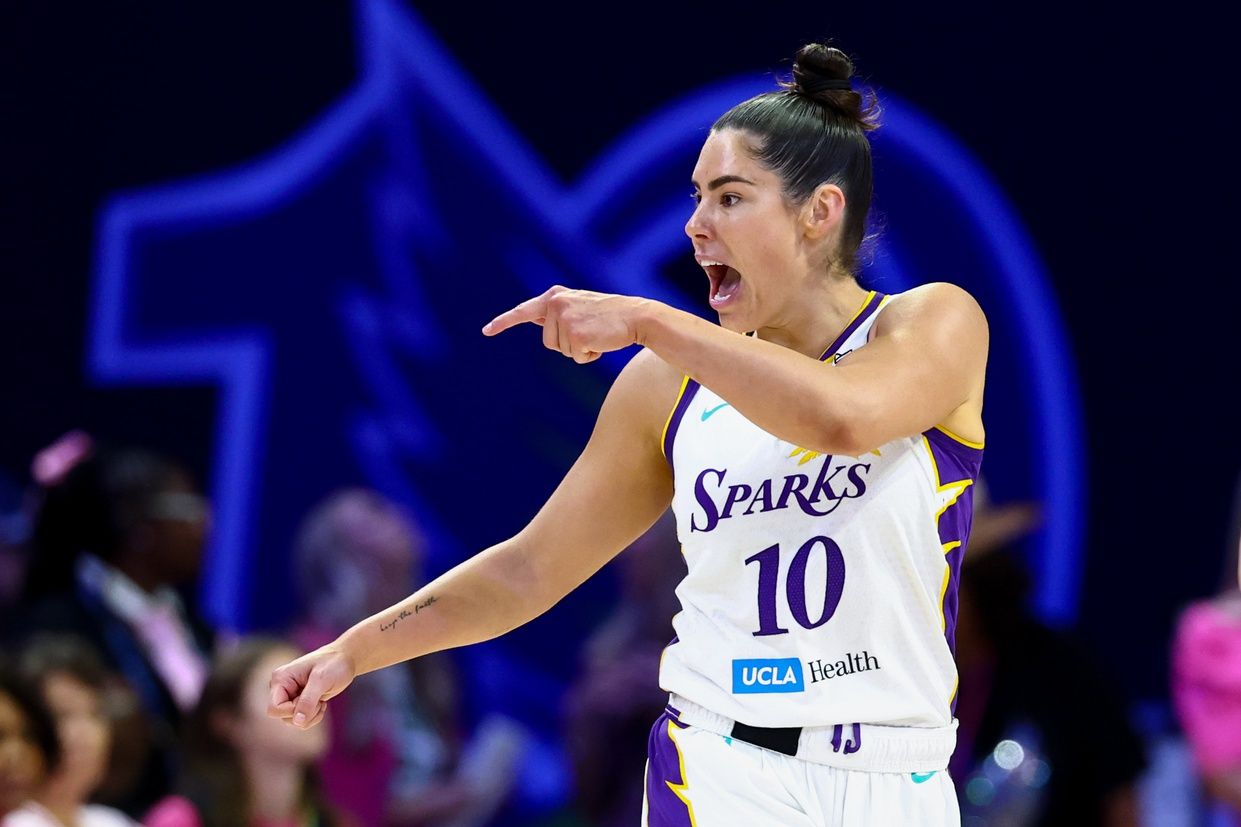
Two-time WNBA Champion Kelsey Plum isn’t satisfied with the offer and has highlighted one major sticking point that players are determined to change: revenue sharing.
Kelsey Plum Highlights Key Concern in WNBA CBA Negotiations
The WNBA’s latest proposal would raise the maximum player salary to $1 million in 2026, with team salary caps set at $5 million and a minimum player salary above $225,000. For context, the current CBA features a minimum salary of $66,079 and a team salary cap of $1.5 million.
Under the proposal, players would receive 50% of a revenue metric that excludes certain revenues and deducts expenses. According to Front Office Sports, this would result in players receiving less than 15% of the WNBA’s total revenue, a figure that Plum identified as the main sticking point in negotiations.
“We have been very adamant from the jump, very specific about what we are going for, and that’s revenue share,” Plum told FOS. “Meaningful revenue from all aspects of the business. That’s not just the league, that’s the team revenue, too. There’s a level of frustration because we’ve started with this, and we can’t move forward until we get that and get to a level where we feel comfortable.”
While the proposed increments are significant, players are pushing for a more NBA-style revenue-sharing model as Plum emphasized the importance of long-term planning over immediate financial gains.
“We’re saying we bet six years from now we will be much better,” Plum added. “More money, more revenue, more business than right now. Because of that, revenue share is so important. The mistake is trying to offer money up front but not being wise about it and not betting on your long-term vision of revenue share being the ultimate goal.”
READ MORE: WNBA’s New Proposed CBA Has Major Twists No One Expected
The push for revenue share comes as the WNBA recently secured a new media rights deal worth approximately $2.2 billion over 11 years, roughly $200 million per year, highlighting the league’s growing popularity and marketability. Despite this, the current revenue-sharing model remains a point of contention: players currently receive just 9.3% of total league revenue in base salaries.
In comparison, NBA players share roughly 50% of all basketball-related income, creating a stark contrast between the two leagues. While the WNBA’s proposal would increase player revenue to around 15%, the league resists adopting NBA-style salary models, arguing the comparison is not directly applicable.
However, WNBA players remain firm in their stance and have countered with a proposal that calls for a significantly larger share of both team and league revenue.