
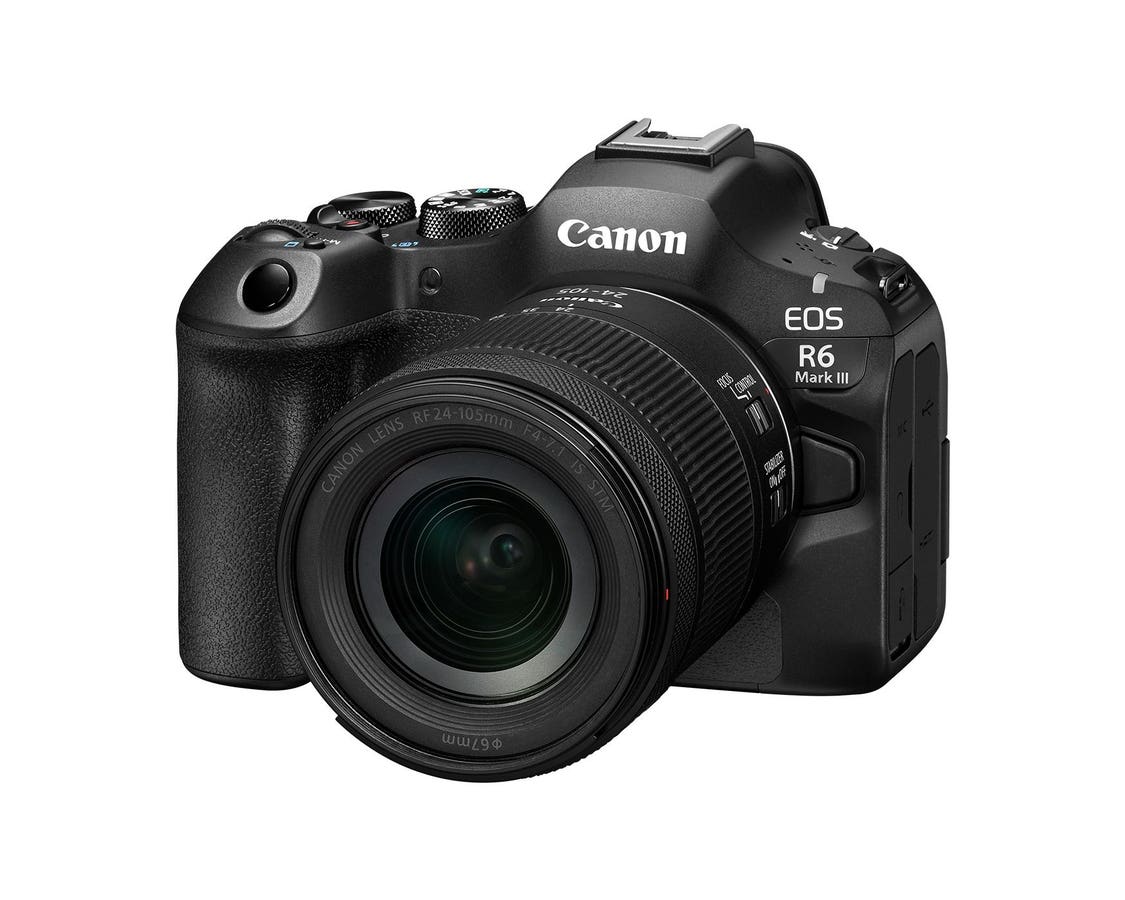
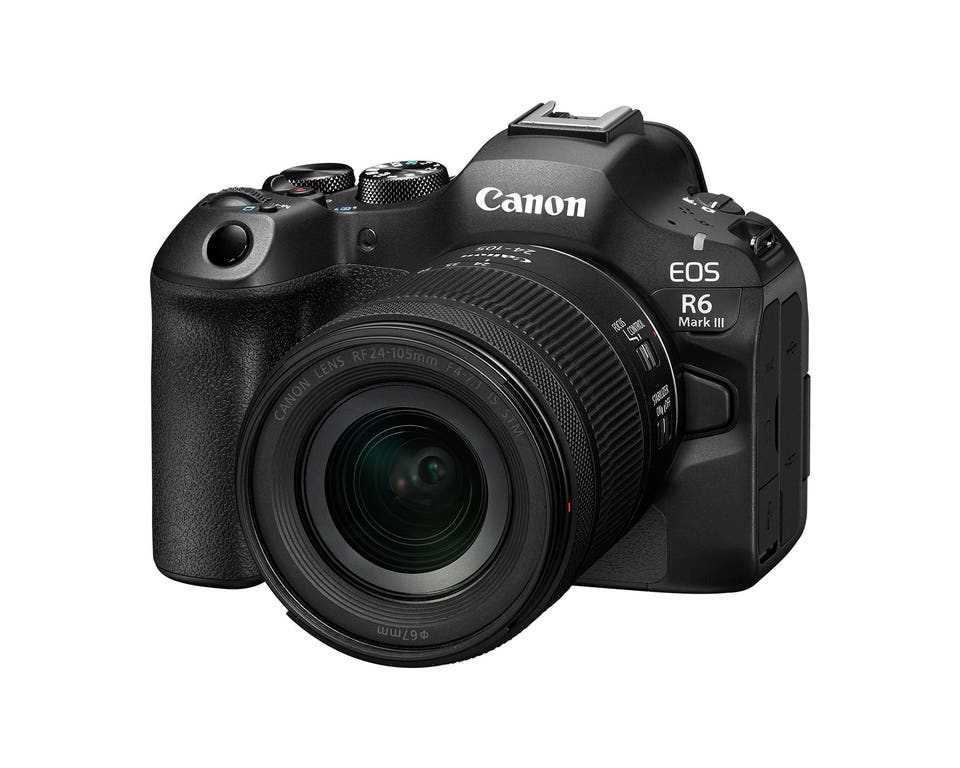
My personal video production days tethered to children’s sporting events may be over, but like seemingly everyone else, I often go down the rabbit hole of watching more than a few of the 600 million YouTube videos every month. Still, I can tell the difference of which were shot on a smartphone versus a good camera. But that line is blurring. In the current landscape where phone cameras offer high-end convenience, a different kind of tool is emerging as the preferred choice for dedicated content creators: the advanced hybrid camera. Canon’s new EOS R6 Mark III digital SLR stands as a significant contender in this space, positioned not just as an upgrade, but as a bridge for creators and sports parents seeking to move beyond the limitations of mobile capture.
This model combines mirrorless portability with professional-grade content creation capabilities, offering elevated performance for both stills and video, alongside robust features.
After a brief, amateur two-week test time with the camera outfitted with Canon’s RF 45mm f1.2 STM lens, I can see the appeal. The system is intuitive, boasting a rotating touchscreen and an effortless integration with mobile devices via the Canon Camera Connect app for rapid file transfer.
The camera’s true value proposition may lie in its specs aimed at pros. It can record using the full 3:2 sensor area at 7k resolution, which is good for platforms like YouTube and TikTok. It allows creators to record a scene once and subsequently derive various high-res formats like horizontal, vertical and square in post-production without sacrificing quality. Plus its capacity for high-speed recording at up to 120 frames per second can give a polished slow-motion content. I watch a lot of slo-mo golf swing clips, and this camera would be perfect for creating those. Not to mention, Canon Log provides a dynamic range for advanced color grading, letting vloggers land on a distinct, cinematic aesthetic.
To understand the camera’s market strategy, I reached out to Mason Olds, Canon U.S.A.’s Executive Vice President and Business Planning Group President. “Honestly, phones have gotten ridiculously good,” says Olds. “But the second a creator wants to stand out, they hit a wall. Phones generally aren’t designed to deliver a creamy background blur, the colors might not pop the same way, and handling low light can look noisy. With this camera, they get a flattering angle instead of an arm’s-length selfie look, real cinematic depth of field, and files that actually hold up when they want to color grade or crop in. Their audience can easily notice the differences.”
The R6 also delivers 32.5 megapixels for still photography, confirming its status as a true multi-tool for diverse production needs. In my testing, I captured some amazing post-storm images at a local park and was able to make raindrops look like they were popping off the photos. Olds adds that “skin tones just look right out of camera,” and the autofocus is exceptionally reliable.
For influencers operating in a chaotic, multi-platform environment, the camera’s connectivity options include the app, traditional card transfer, USB-C, and Wi-Fi. Olds insists the R6 is made to handle the demands of a professional content creator’s fast-paced day, letting them “do all of it at a pro level without slowing them down.”
Ultimately, this camera leverages Canon’s flagship technology at $2,799 for ambitious creators. “We talk to these creators constantly, through our ambassadors, DMs and comments, and we keep building features they actually ask for,” says Olds. “This camera is the perfect example: flagship tech trickled down to a price that doesn’t scare off the next big talent.” All I know is I may never be able to use my smartphone camera with confidence again.