

Listen to this article
Estimated 5 minutes
The audio version of this article is generated by text-to-speech, a technology based on artificial intelligence.
A woman whose two sons died after struggles with drug addiction says she endorses new legislation from the Government of Saskatchewan that would implement involuntary treatment for people with severe addictions.
Angela McPhee of Kindersley, Sask., said her son Colton Richardson, 33, died this March from a drug overdose.
Colton had been living on the streets of Saskatoon. McPhee said she had been trying to get him help by going to court or having him held under the province’s Mental Health Act.
Everywhere McPhee turned, she was unsuccessful.
“There was nothing there to allow me to help my son,” McPhee told media at a news conference on Friday.
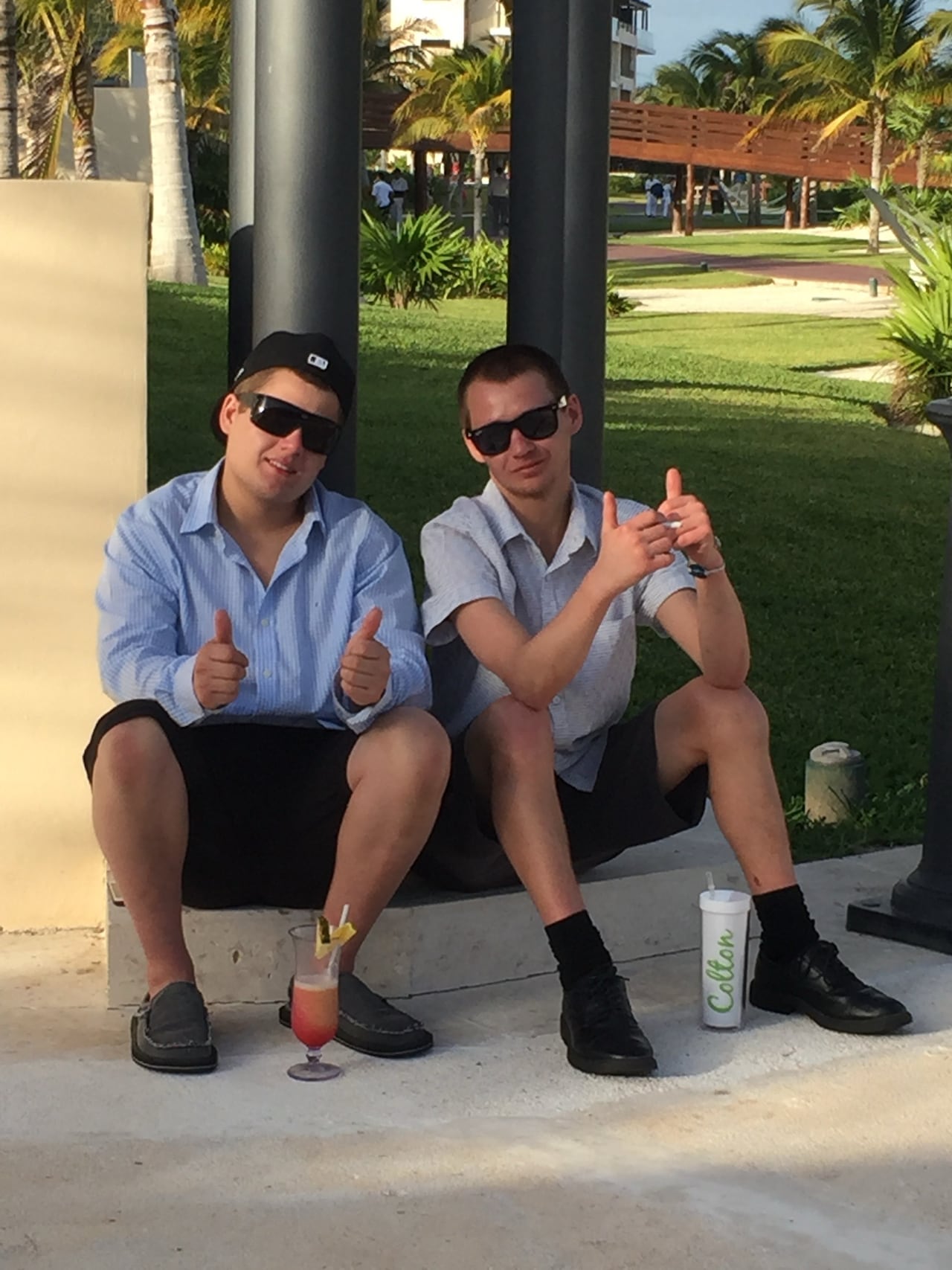 Angela McPhee said two of her sons, Colton Richardson and Kaden Richardson, died from drug addiction. (Submitted by Angela McPhee)
Addiction treatment for adults in Saskatchewan currently requires voluntary participation.
McPhee said that didn’t work for Colton, who was so addled by drugs that he would experience psychosis.
“There was nothing we could do, I had said to someone, ’If I could take my child and kidnap him without any repercussions to me, I would have,’” McPhee said.
If the new legislation passes, the status quo in Saskatchewan could change.
WATCH | Sask. introduces involuntary treatment legislation: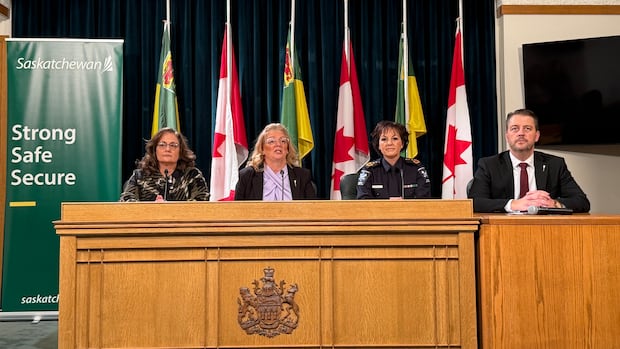
Sask. introduces involuntary treatment legislation
The Government of Saskatchewan introduced the Compassionate Intervention Act on Friday, the final day of the fall sitting. If passed, it would allow family or police to have people placed in addictions treatment against their will.
The Government of Saskatchewan introduced the Compassionate Intervention Act on Friday, the final day of the fall sitting.
Justice Minister Tim McLeod said it’s meant to support people with severe addictions who are not capable of seeking help for themselves.
“What this is doing is helping individuals who lack the capacity to make a rational choice, puts them in a safe environment, a healthy environment, and provides them the care that they need until they can recover the capacity to make that healthy choice,” McLeod said.
The new legislation would allow family members to request treatment for a loved one through the court system, Mental Health and Addictions Minister Lori Carr said.
Law enforcement would also be allowed to intervene if someone’s substance use “is putting their own life or the lives of others at serious risk.”
A referral from a health professional could also land someone in what the province is calling a “compassionate intervention treatment centre.”
Carr said these spaces will not be jails, but will be secure sites that feature treatment services.
The province is still working to determine how many beds it will need for patients under this legislation. It’s also still working out where these treatment centres will be built.
LISTEN | Saskatchewan Political Panel Dec. 5, 2025:
The Morning Edition – Sask11:43Political Panel – Dec. 5, 2025
The Saskatchewan government’s projected deficit looks like it will be even larger. CBC Saskatchewan provincial affairs reporter Alexander Quon and columnist Murray Mandryk joins host Adam Hunter in this week’s political panel.
Carr insisted the spaces will be in addition to the 500 new treatment beds it plans to build by 2028 for those voluntarily seeking treatment.
Supporting evidence unclear
It’s not clear what evidence the province is using as the basis for the legislation.
The Canadian Mental Health Association has highlighted that “there is a lack of evidence to support the effectiveness of involuntary treatment for people with substance use disorder.” It has also noted that the existing evidence suggests involuntary treatment can lead to an increased risk of death due to drug poisoning upon release.
Under questioning from media, Carr defended the legislation.
“Nothing is not going to work, so this is one more tool in the toolbox for individuals to be able to use to get the help that they need to hopefully get into a life of recovery,” she said.
Police to play large role: minister
McLeod said peace officers and police will have a large role to play in enforcing the act.
“If the person is out in the community and is posing a threat to themselves or others, the first point of contact is quite likely going to be with a peace officer,” he said.
McLeod said he has consulted with police forces across the province and they are prepared.
The Opposition NDP’s mental health and addictions critic Betty Nippi-Albright said her party was still looking over the legislation, but that it supports the concept of involuntary treatment.
“Forced treatment must be the last resort. It has to be the last resort, and what we need today is treatment beds that are available today,” Nippi-Albright said.
The legislation was not introduced until the final day of the fall sitting, which means it will not be passed until at least the spring.
The Government of Saskatchewan says it will use the intervening time to consult stakeholders on the specifics of the legislation.
Trade, health care dominate fall sitting
The fall sitting began in late October, with Premier Scott Moe’s government continuing to grapple with trade issues involving the United States and China as well as ongoing complaints on the state of health care in the province .
Moe’s government also recently approved an additional $1 billion in spending, which comes after a mid-year financial report predicted the province’s deficit is to grow to $427 million.