
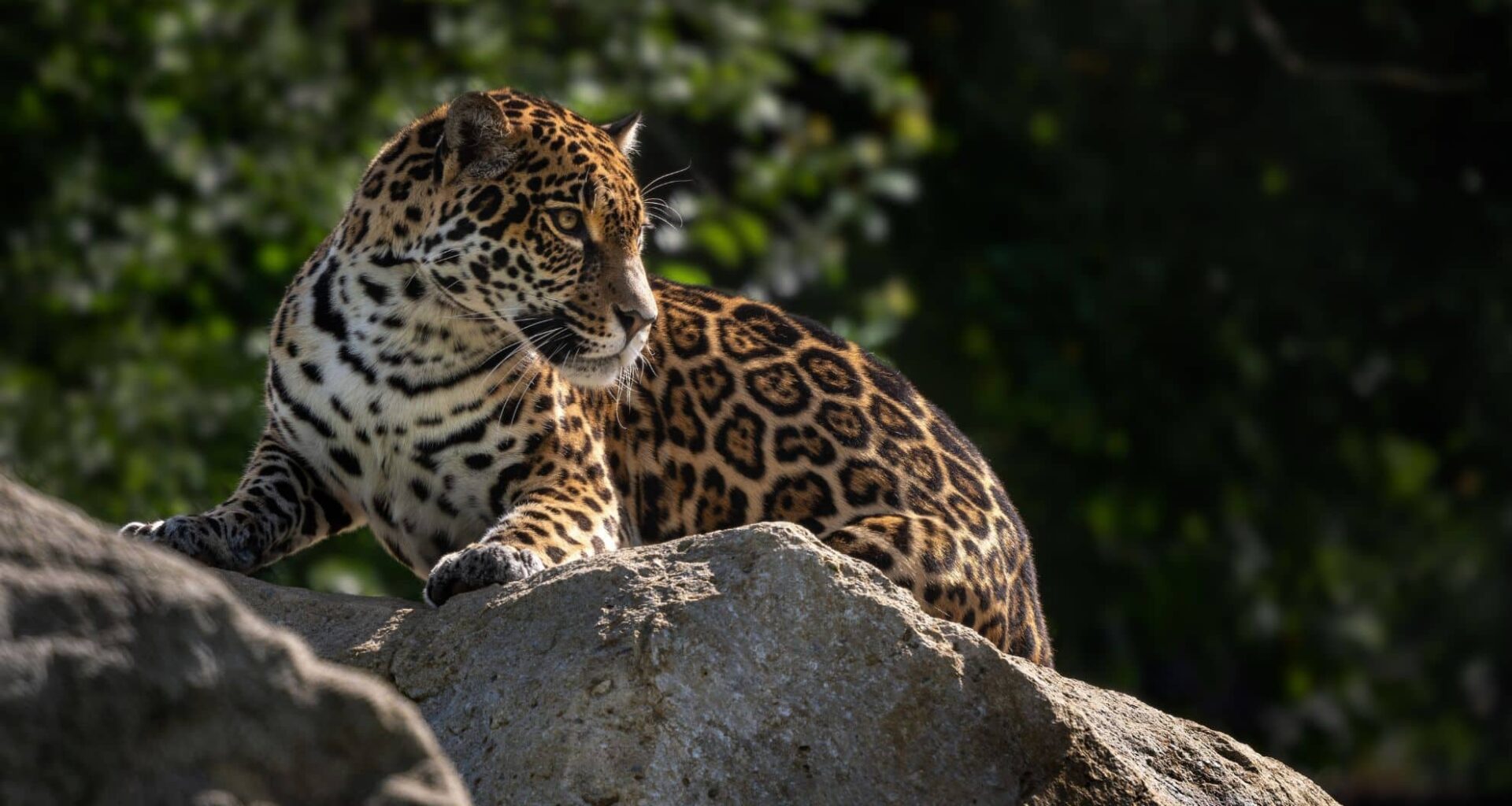
Researchers from the University of Arizona’s Wild Cat Research and Conservation Center are excited by the discovery, seeing it as a sign of progress in efforts to bring the species back. However, while the sighting is promising, there are concerns about environmental threats that could hinder long-term recovery.
A Historic Return to Arizona
Jaguars once roamed across the southern U.S., but human activity, habitat destruction, and climate change have led to their near disappearance from the region. In recent decades, a handful of jaguars have been seen in southern Arizona, often crossing the U.S.-Mexico border. The recent sighting is significant because it marks the continued presence of jaguars in the area, signaling that the landscape is still capable of supporting them. According to Susan Malusa, director of the University of Arizona’s jaguar and ocelot project, this latest sighting indicates that the big cats are finding what they need in the region.
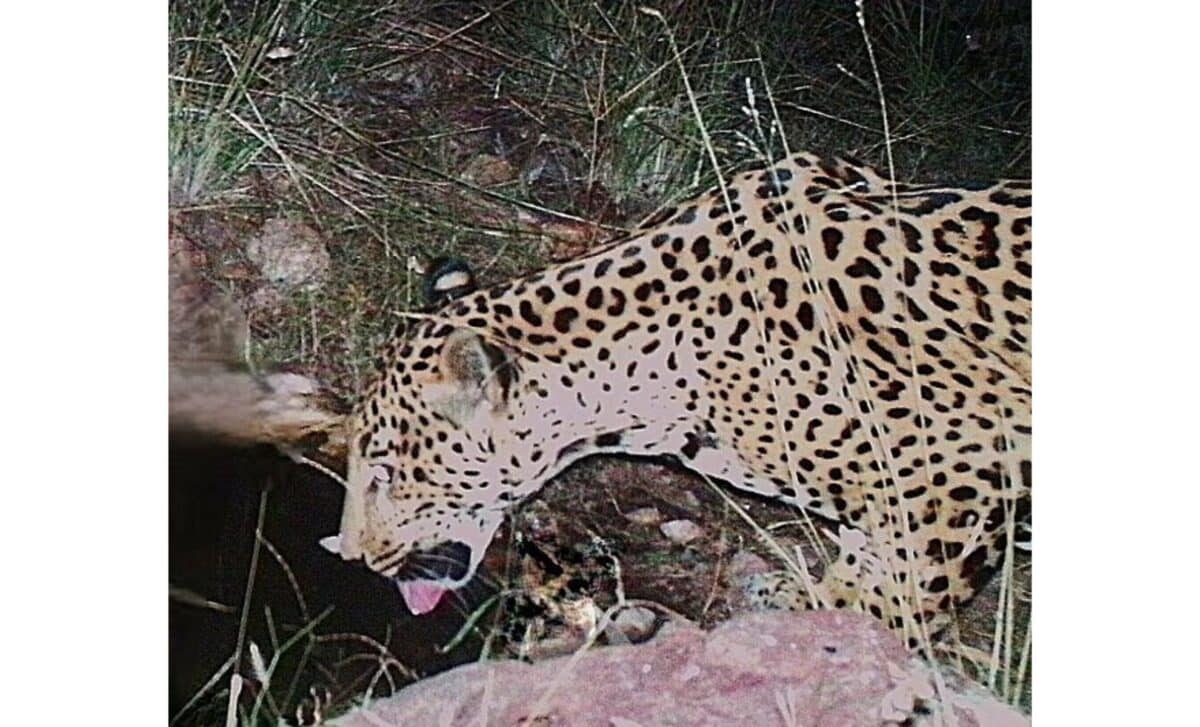 Spotted jaguar in southern Arizona, Nov. 2025 ©AP
This marks a rare moment of optimism for conservationists. The one spotted in November was photographed at a watering hole by a remote camera, and researchers are now working to collect scat samples for genetic analysis. These studies will help reveal more about the apex predator’s diet, its sex, and other critical details, which can inform future conservation strategies.
Challenges to Jaguar Recovery in Arizona
Despite this positive sign, jaguars face many challenges in their return to the U.S. Habitat loss and fragmentation, along with the construction of border barriers, pose significant threats to their survival. According to Malusa, these barriers can disrupt migratory corridors, essential for jaguars’ movement between different areas. The warming climate and severe drought conditions in the region also make it increasingly difficult for these large predators to find sufficient food and water, which could lead to less frequent sightings in the future.
These environmental challenges underscore the urgency of protecting and maintaining connectivity for jaguars. As a top predator, the presence of the animal is an indicator of a healthy ecosystem. Their continued movement in the region, however, is at risk unless urgent conservation efforts are made to address climate change and preserve critical habitat areas.
Legal and Conservation Efforts to Protect Jaguars
To further protect the species, the U.S. Fish and Wildlife Service revised the habitat set aside for jaguars in 2024. However, this revision reduced the area to approximately 1,000 square miles in Arizona’s Pima, Santa Cruz, and Cochise counties, following a legal challenge. The changes to the habitat area reflect ongoing debates about the balance between protecting wildlife and managing land use. Although the revised area is smaller, officials maintain that it still provides a vital refuge for the jaguar population.
Over the last 15 years, researchers have documented sporadic jaguar sightings, often tied to the availability of water. Malusa notes that when food and water are plentiful, the animals tend to stay in one area longer, with the latest sighting being a case in point. The fact that the animal was captured over a 10-day period suggests it found a stable environment, providing hope for the species’ future in Arizona.
While jaguar populations continue to make their way back into southern Arizona, conservationists stress the importance of safeguarding migratory corridors and addressing climate change. This latest sighting is a reminder that recovery is possible, but only if we act now to ensure these majestic animals have the space and resources to thrive.