
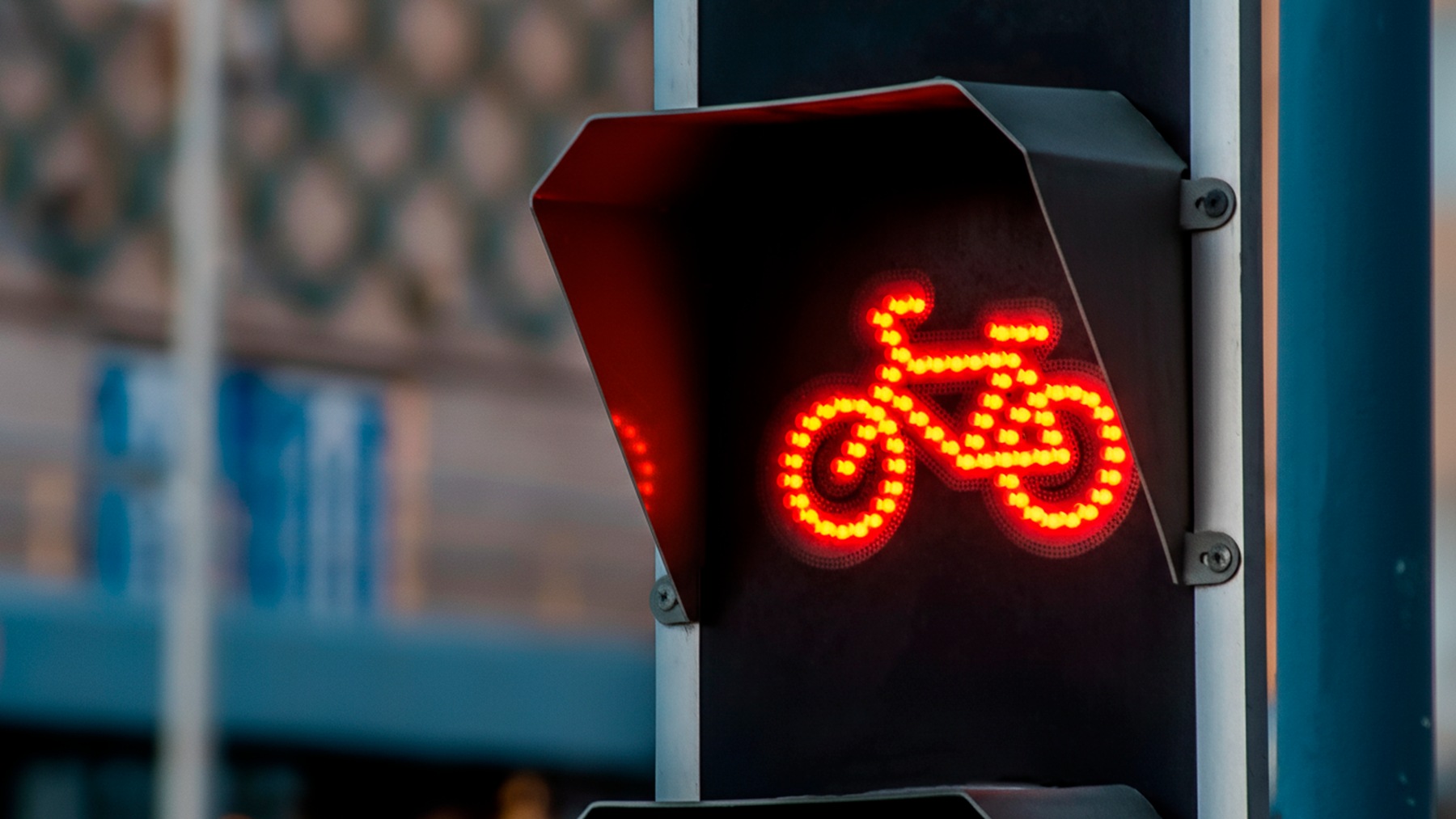
Driving a car in the United States has become a dangerous task that many underestimate. Add to that the increasing number of cyclists on American roads, and a dangerous situation may unfold at America’s traffic intersections. New Mexico is the latest state to amend its traffic laws to attempt to make the roads in the United States a little bit safer for all, following several similar laws being enacted by other states in recent years. When traffic collisions occur between a car and a person on a bicycle, the cyclist almost always ends up taking the majority of the damage. That reality is set to change in New Mexico.
Cyclists are most at risk during a traffic collision with a vehicle
Several traffic monitoring institutions have reported some worrying statistics relating to the number of collisions that occur between cyclists and cars on American roads. The situation has become a serious social welfare issue that the government needs to find a solution to. Thankfully, lawmakers in New Mexico have heeded the call and are implementing some changes to traffic light laws for cyclists.
In the state of New Mexico, between 2019 and 2023, an astonishing 1,457 crashes involving cyclists were reported, according to the University of New Mexico Geospatial and Population Studies Center. Of those 1,457 cyclists who had crashes, a total of 39 were killed. Approximately 115 were seriously injured, while the lucky 694 cyclists were able to walk away unharmed.
Riding a bike anywhere in the world has become exceedingly dangerous
Nations like the Netherlands have long been known for their proclivity for using bikes instead of cars, with some cities setting up car-free zones for cyclists to use safely. Ensuring a safe environment for all who use America’s road network is a top priority that the government needs to advance. Thankfully, New Mexico is the latest state to adopt a different approach towards laws regarding cyclists.
New Mexico is set to implement Senate Bill 73 in the near future
New Mexico is the latest state attempting to pass laws that will provide a safer environment for cyclists on its roads through Senate Bill 73. According to New Mexico’s Gov. Michelle Lujan Grisham, Senate Bill 73 will allow cyclists to coast through stop signs without coming to a full stop, while the bill also allows for the cyclist to treat a red traffic light as a stop sign, meaning that if no cars or pedestrians are present at the intersection, they may proceed, even if the lght is red. Implementing changes to traffic laws has become a theme across several US states.
Sen. Antoinette Sedillo Lopez carried the bill during a hearing in the Senate Judiciary Committee and noted that the practice was already common among New Mexico’s cyclists. Lynn Pickard, a member of Santa Fe Seniors on Bikes, who is also a retired New Mexico Court of Appeals judge, told the Senate Judiciary Committee that data has revealed that the majority of collisions between cars and bikes happen within intersections.
““So anything we can do to get cyclists into and out of the intersections quickly — leaving of course, for us, to determine our own safety if there are other cars there or pedestrians there — would be really helpful for us,” – Lynn Pickard, member of Santa Fe Seniors on Bikes
New Mexico’s Senate Bill 73 is a step in the right direction for the state to make crossing an intersection a little bit safer for cyclists.
Other US states have enacted similar changes to traffic light laws
Other US states have also enacted similar traffic signal laws aimed at making America’s roads that little bit safer for all. If you or someone you know regularly uses a bike to get around, you will be fully aware of the disdain that motorists have for cyclists. This new law in New Mexico can save lives, prevent collisions at intersections, and most importantly, remind drivers that they are not the only ones using the roads.
Disclaimer: Our coverage of events affecting companies is purely informative and descriptive. Under no circumstances does it seek to promote an opinion or create a trend, nor can it be taken as investment advice or a recommendation of any kind.