
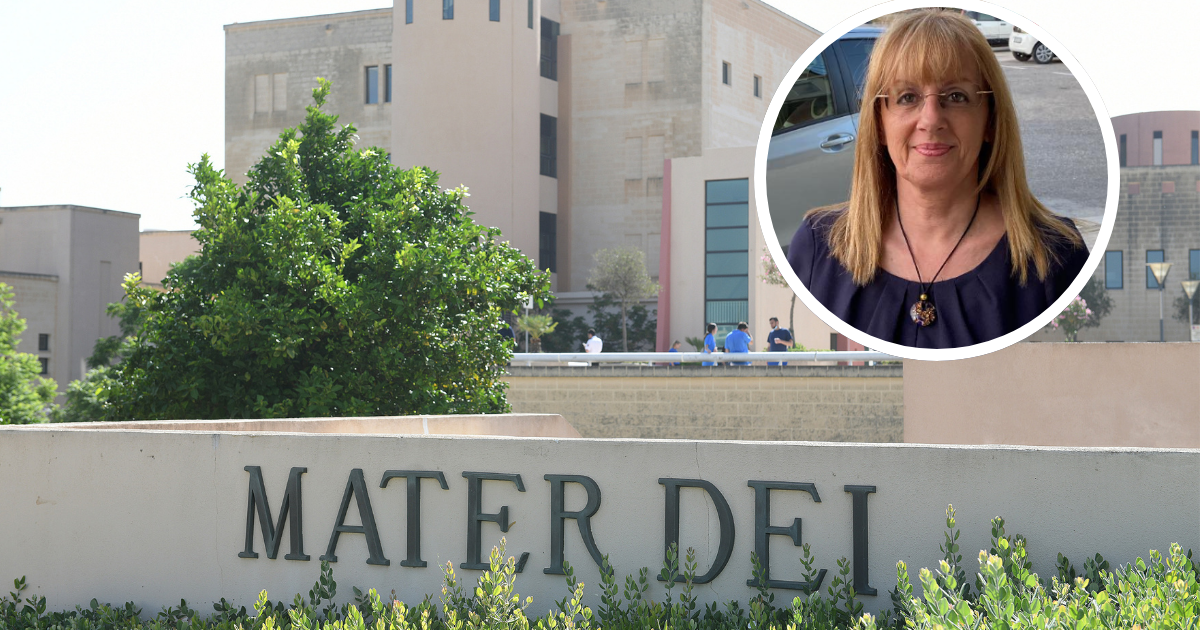
Tourists knowingly having infectious diseases are travelling to Malta in the hope of receiving free medical treatment, but then realise they cannot afford the bill, the head of Malta’s Infectious Disease Prevention and Control Unit told a conference on Thursday.
Addressing the third annual research conference on migration, which this year focused on health and wellbeing, Tanya Melillo said that the IDPC noticed this “new phenomenon” over the past two years.
“People – mainly from Latin American countries – are coming to Malta on holiday knowing they have a disease, thinking that they can be treated for free, because of our free healthcare system,” she said.
Although they would not be eligible for free healthcare, she said that if treatment is needed, then it will be provided. But this has led to a growing number of unpaid medical bills. To bypass the fees, some take low-paying jobs so that they can pay national insurance that would eventually make them eligible for free healthcare, she added.
There have been some 100 such cases over the past two years, she said.
Melillo was discussing how Malta’s healthcare burden is changing due to the influx of migrants.
The data she shared shows that the number of non-EU nationals seeking treatment at Mater Dei Hospital is increasing. Between 2014 and 2024, non-EU attendance at the hospital’s emergency department rose from 7% to 14% and EU attendance increased from 5% to 6%, while Maltese attendance fell from 84% to 76%. The remaining nationalities are unknown.
Over the same period, non-EU patients represented 6% of surgical operations, up from 3%, while EU patients increased from 1% to 2%. Maltese patients decreased from 95% to 91%.
Melilo said the strain on the healthcare system stems from migrants’ increased vulnerability to illness. Many live in overcrowded, unsanitary conditions with limited access to nutrition, which raises the risk of communicable diseases.
Still, several prioritised working and sending money home, often neglecting their health, she added.
“During COVID, I remember being surrounded by men crying in quarantine because they couldn’t work,” she recalled.
However, some migrants who wish to access healthcare face language and cultural barriers, she said. Melillo said healthcare workers struggle with communication because they are not trained to deal with people from diverse nationalities.
She urged for increased training and for doctors to have access to interpreters and preparedness to treat diseases such as leprosy and monkeypox.