
A woman with mixed dementia, who helps others similar diagnoses, says a new initiative to track those with the condition who go missing will help give families “peace of mind”.
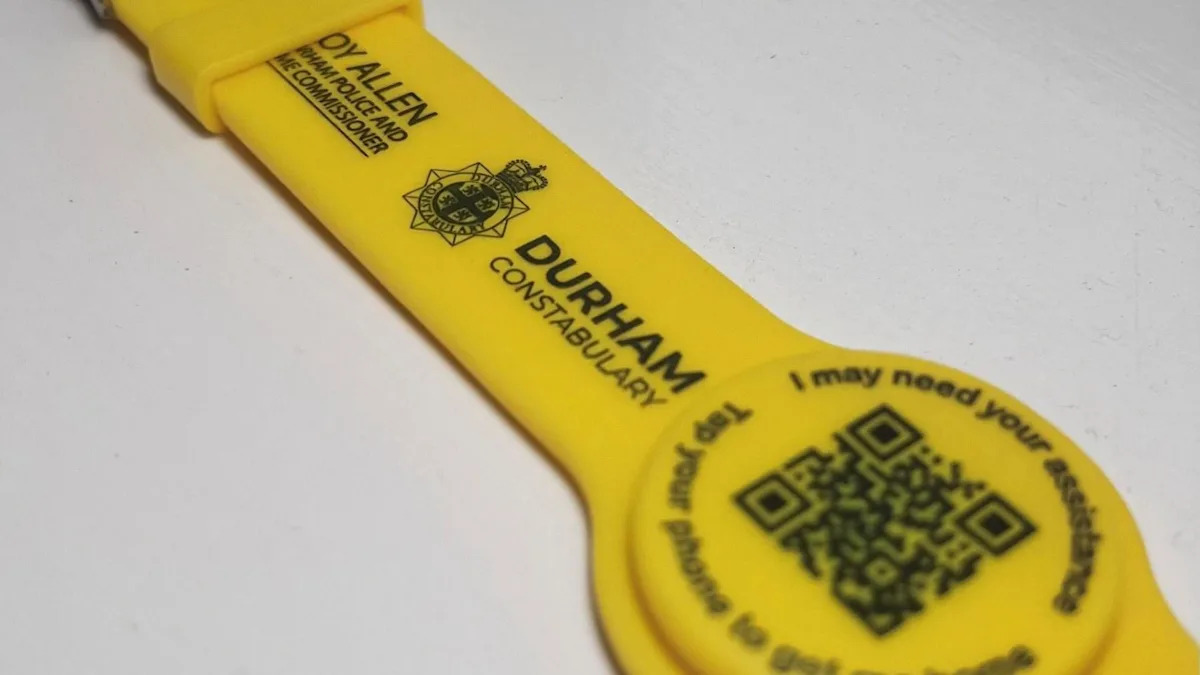
Durham Constabulary are one of many police forces’ across the country launching the dementia wristband which is aimed to reduce the risk of harm and locate people with minimal adverse outcomes.
The bright yellow wristbands, rolled out this month, will contain the person’s name and emergency contact number which can be scanned by a mobile phone.
Lorraine Dunn, 72, from Darlington, who was diagnosed a decade ago, said the scheme will allow people “who wander out when they shouldn’t do” to be “tracked quite quickly”.
Mrs Dunn, who runs the Dementia Dream Team group which gives peer-to-peer support for people with dementia and their caregivers, said: “Those with advanced dementia , they won’t know about it [the wristband] but it will give their family peace of mind.
“For people who are in middle stages of dementia, who can go out by themselves but may get confused, then that would give them peace of mind as well.”
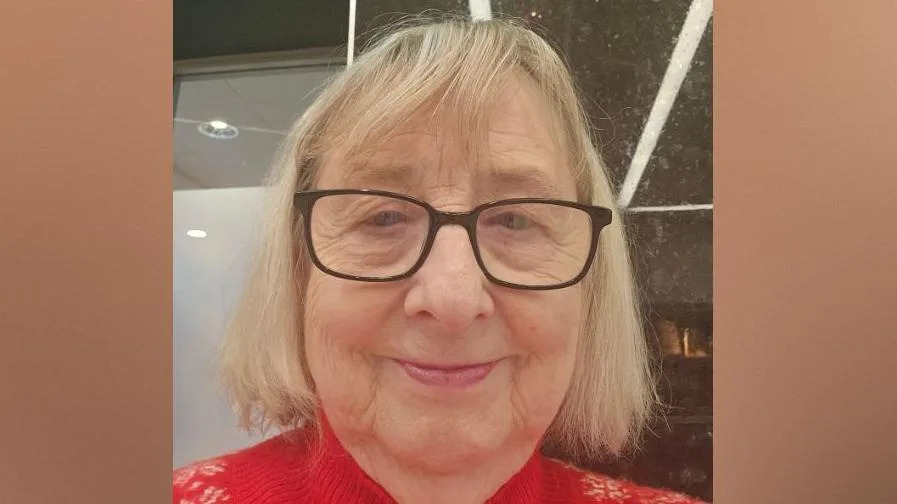
Lorraine Dunn runs a dementia support group for those living with the condition [Lorraine Dunn]
Durham Police said about 70% of individuals living with dementia may go missing at least once.
There have been 1,000 bands and 1,000 tags, which can be attached to clothing, produced, funded by the office of Durham Police and Crime Commissioner Joy Allen.
The bands will be rolled this month and officers are asking anyone who spots someone on their own, looking lost and confused and wearing a bright yellow band, to stop and help.
Holding a mobile phone close to the band will result in personal information being displayed including a name and emergency contact.
Durham Constabulary confirmed only the individual’s name and date of birth will be on the wristbands, as well as emergency contact details.
A QR code will also be included, directing people to information about the Herbert protocol – a national scheme emergency services use which includes details about the person, their past, habits and places they go.
Mrs Dunn said: “With every initiative there is going to be pros and cons.
“We have this saying, ‘if you have met one person with dementia, you’ve met one person with dementia’, because we are all so different.
“What works for some won’t work for others. If it works for one person then it is a bonus.”
The wristbands will be initially issued to those signed up to the Herbert Protocol, and then rolled out to the wider public once trialled.
Follow BBC North East on X, Facebook, Nextdoor and Instagram.
Related storiesRelated internet links