
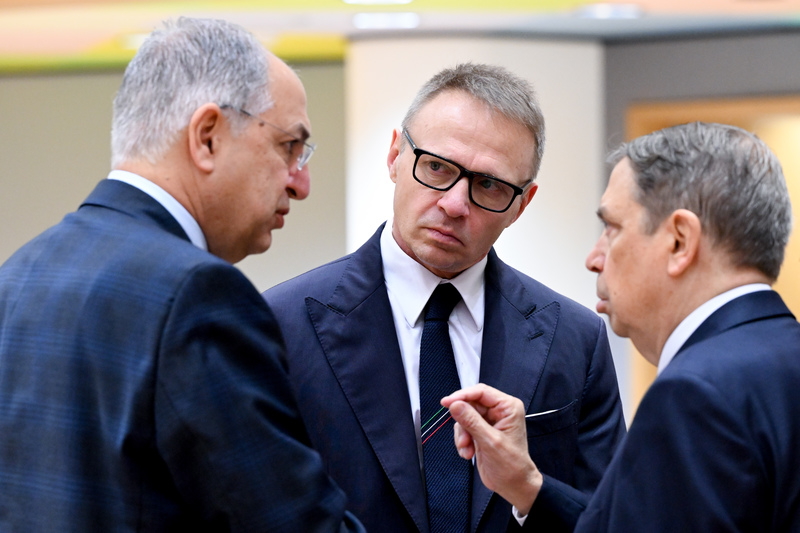
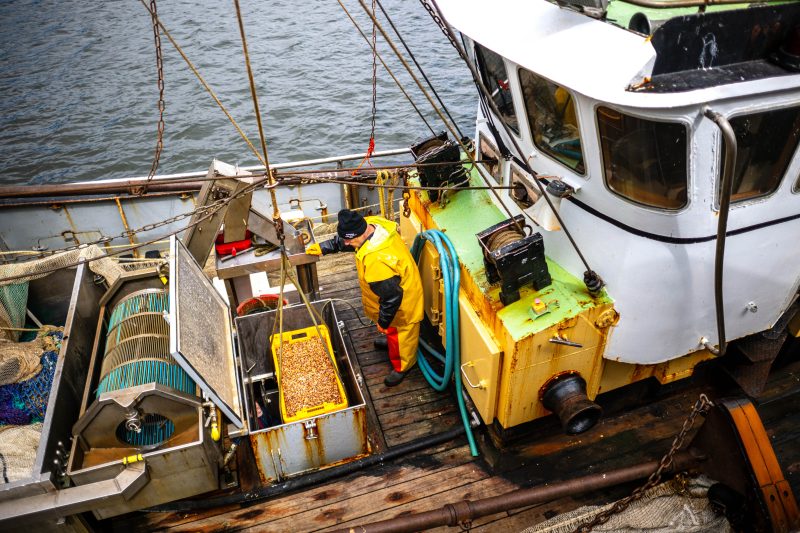
After two days of push and pull, EU fisheries ministers have struck an agreement on next year’s fishing effort, dodging the Commission’s proposed sharp cuts for the Mediterranean Sea. Negotiations kicked off on Thursday and dragged well into the early hours of Saturday morning.
The deal covers fishing quotas for the Mediterranean, Black Sea, Atlantic and North Sea for 2026 and even 2027 and 2028 for certain stocks. It was endorsed almost unanimously, with Ireland standing alone in opposition, an EU diplomat confirmed.
France, Italy and Spain joined forces to fend off sharp cuts in fishing opportunities for the Western Mediterranean, mirroring last year’s showdown.
They managed to secure a hard-fought rollover of this year’s allowed fishing effort – around 140 fishing days.
This represents a major win considering that the Commission had come to the table with a reduction of 65% in days, arguing that most fish populations in the region remained overfished.
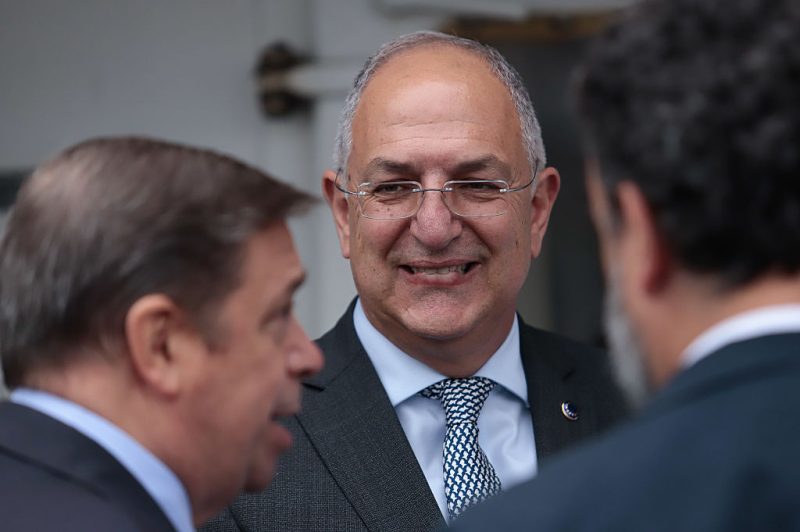
Upon arrival at the Council on Thursday, Spain’s farm and fisheries minister Luis Planas even suggested that the EU executive was staging a “theatrical performance” only to climb down later.
Danish minister Jacob Jensen, chairing the negotiations, said that the outcome had struck the right balance between scientific advice and economic perspectives for the sector.
The existing compensation mechanisms that grant extra fishing days to vessels implementing sustainability measures will continue, with only minor changes.
Commission pushes Mediterranean fishing cuts as tense talks loom
The EU executive has warned that most fish populations in the Mediterranean remain overfished and…
2 minutes
Beyond the Mediterranean
While Atlantic quotas caused less noise than those in the Mediterranean, they were marked by conflicts with coastal states in the Northeast Atlantic Fisheries Commission (NEAFC) – Iceland, Norway, Russia, the UK and Denmark on behalf of the Faroe Islands.
NEAFC parties are locked in a long-running stalemate over the management of key stocks, especially mackerel, with the EU accusing Norway of overfishing.
During negotiations, several ministers urged the Commission to harden its stance and threaten Oslo with import bans.
Meanwhile, EU countries agreed on a cut to their own mackerel catches of around 70%, which particularly hit Ireland. A coalition of countries, including France, opposed granting Dublin extra quotas under the so-called Hague Preferences.
Before the talks, the Council had reached deals with London and Norway on other jointly managed stocks, such as cod, whiting, plaice and herring.
For stocks exclusively managed by the EU, ministers agreed on reductions in catch limits for a series of species in the Atlantic and North Sea, including pollack and the common sole, but increased catches for megrims and the Norway lobster in the Bay of Biscay.
EU moves to gain the upper hand in fisheries negotiations
Brussels is tightening its legislation against unsustainable fishing, getting ready to threaten its neighbours –…
4 minutes
(adm)