
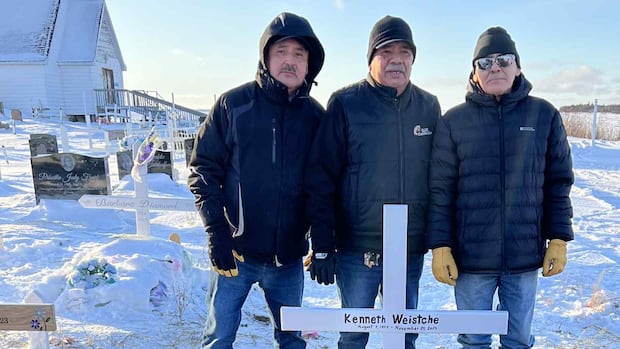
Roy Weistche recalls being taken as a young boy to stay with a non-Indigenous family in Gatineau — people he had never met, more than 900 kilometres away from his home in the Cree Nation of Waskaganish.
Now, more than 500 Cree families have stepped forward to join the boarding home class-action in northern Quebec, many say they are guided by the legacy of Kenneth Weistche — the Cree man who refused to let the issue fade from memory.
“He was one of the leaders that really saw the impact of a residential school, what it did to former students, what it did to him, his brothers and sisters,” said Roy Weistche, Kenneth’s brother.
For Roy Weistche, the fight for compensation is personal. He and his three brothers were separated into boarding homes as teenagers — an experience he says left lasting impacts on their lives.
Kenneth, who died in Nov. 2023, was among the first Cree to demand accountability and helped lay the groundwork for today’s class-action effort.
The Indian Boarding Homes and Day Scholar class-action settlements compensate Indigenous people taken from their communities to government-run boarding homes or day schools.
Category 1 awards $10,000, while Category 2 ranges from $10,000 to $200,000, based on the abuse reported. People can apply for both categories.
“He wanted not only compensation, but also accessible land-based healing,” said Roy Weistche.
Roy hopes his brother’s determination continues to guide others seeking recognition and compensation.
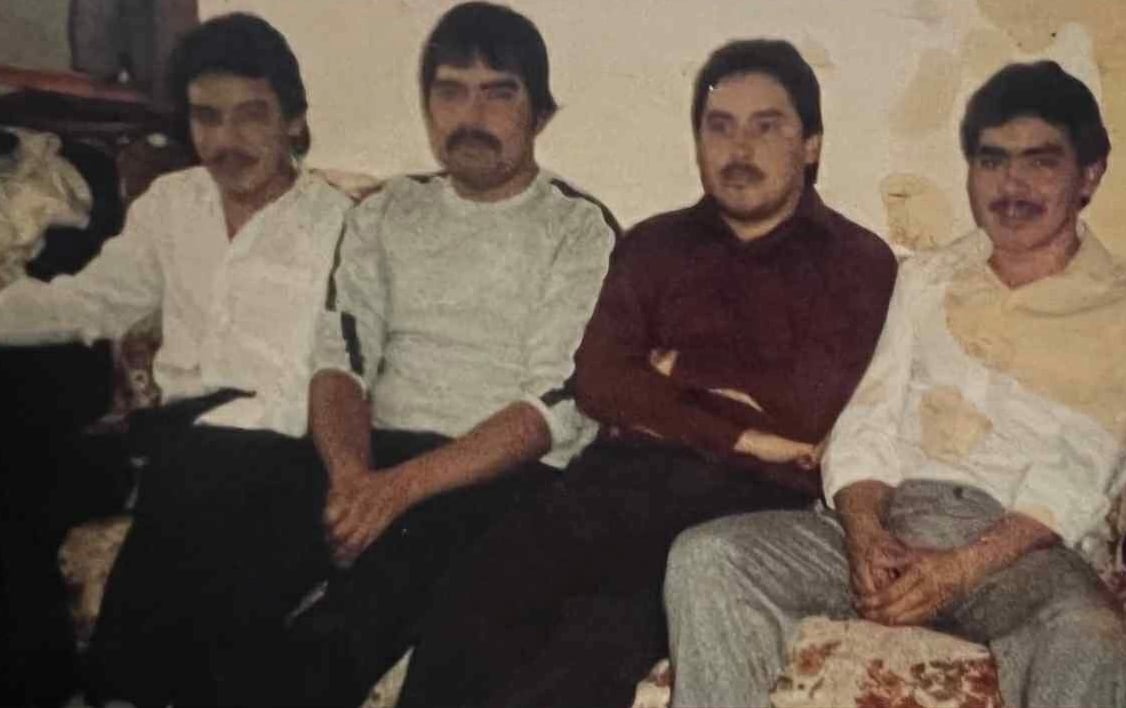 Left to right, Eric Weistche, Kenneth Weistche, Roy Weistche and Jim Weistche in their in the 1980s. (Submitted by Roy Weistche)
“We relive the experience when we apply. I went to residential school for nine years. The stories will never go away,” said Weistche.
The Weistches were a large family of four brothers and seven sisters, nine of them with different experiences in residential schools, boarding homes, and day schools.
Each year, the siblings were forced to leave home for school in Fort George or in the homes of strangers in the south.
“We cannot take that back. And all we have to do is just move forward and heal,” he said.
Weistche also says the emotional toll on parents—not just the children—is too often overlooked.
“I think about my mom too, my parents. They took their children down towards the plane and then went home to an empty house. They cried a lot for their children,” he said.
Lawyer Marsela Ianni says stories like the Weistche family’s reflect what many Cree experienced. She remembers Kenneth’s advocacy, which she says inspired the Dionne Schulze law firm to help survivors file claims.
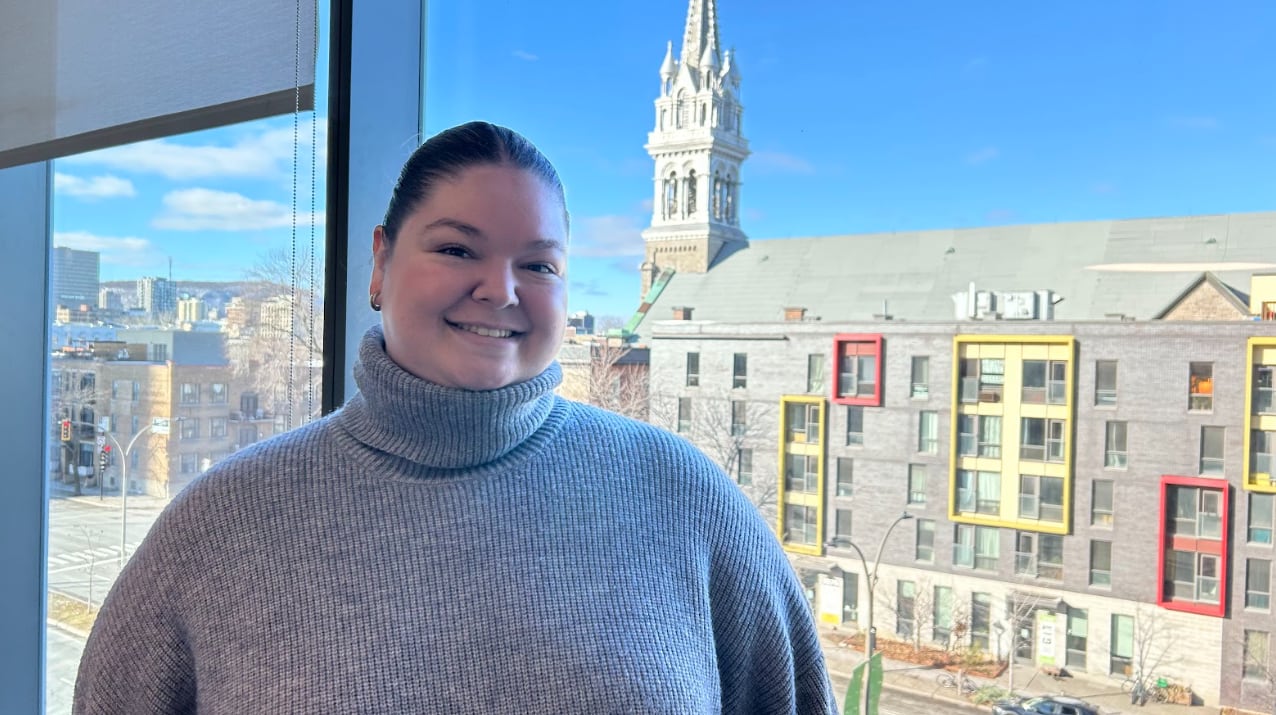 Marsela Ianni, a lawyer with the Montreal-based firm Dionne Schulze, which specializes in Indigenous law and frequently works with Indigenous communities. (Vanna Blacksmith/CBC)
“We felt that this injustice had to be repaired, not only addressed, but had to be acknowledged,” said Ianni.
So far, the firm is in the process of helping over 500 Cree from across northern Que, file their claims. She said she feels honored that the firm can support the process.
Across Canada, 23,729 Category 1 claims have been filed. Of these, 5,597 have been approved and 6,621 are still under review.
For Category 2, 6,539 claims have been filed, with 245 approved and 1,749 under review.
“Part of the privilege comes from the responsibility, as law services are not the most accessible, but that is still something that is owed,” said Ianni.
The firm has already travelled across Eeyou Istchee — Waskaganish, Nemaska, Eastmain, Wemindji, Whapmagoostui and Chisasibi.
During a trip to Chisasibi, they opened more than 90 claims — the highest number processed in any community so far.
Next spring, they plan to visit to Waswanipi, Oujé-Bougoumou and Mistissini.
“It is extremely important to us that it becomes more accessible. That’s why we travel at the rate that we do,” said Ianni.
Common issues in self-filed claims, she added, include missing dates, unchecked boxes, or absent identification and banking details. While fixable, she encourages people to double-check or seek assistance. Once complete, claims typically take six to eight months to process.
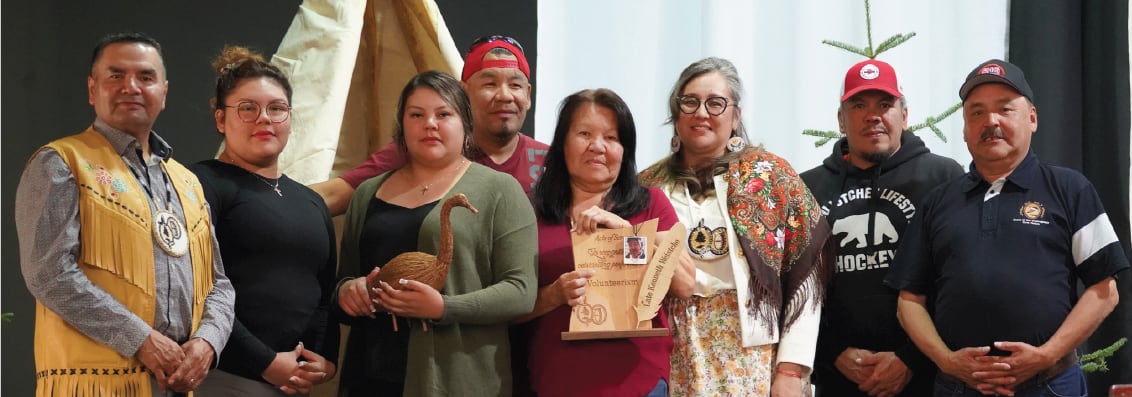 The family of the late Kenneth Weistche accepts the 2024 Annual Services Award from the Grand Council of the Cree in his honour. (The Grand Council of the Cree)
Roy said the impacts of residential schools will always remain, but he hopes people can keep moving forward.
“Having a little bit of compensation to help us, we’ll take it. It will not bring healing in our personal journeys,” he said.
Roy said he enjoys being a father, uncle, and grandfather. For Roy, he’s chosen a path of forgiveness.
“We don’t always think of residential schools, We still live our lives and bring up our families, our grandchildren,” he said.
He encouraged survivors to apply if they qualify.
“Building cabins is a way of being out on the land, taking your family and your grandchildren. That’s how you can use it or share it with your children,” said Weistche.
Though Kenneth passed in 2023, Roy believes his brother’s legacy continues to guide the search for justice. Roy said some of his brother’s last words to him were to apply for Category 2.
“Kenneth was part of all the different groups and advocated that the residential schools students be treated fairly and compensated, and I felt that he achieved that,” said Roy.
His family is very proud of the work he did all Indigenous students from all across Canada.
The deadline to submit a claim is early 2027.
LISTEN | Winschgaoug:
Winschgaoug (Cree)17:41Roy Weistche shares his thoughts on the legacy of his late brother Kenneth
Some people in Eeyou Istchee have already received their compensation from the the boarding home class action lawsuit, while others may not have applied yet. The late Kenneth Weistche worked hard on this file for many years. We spoke with his brother Roy Weistche about what it means to the family see the benefits of all that work.