
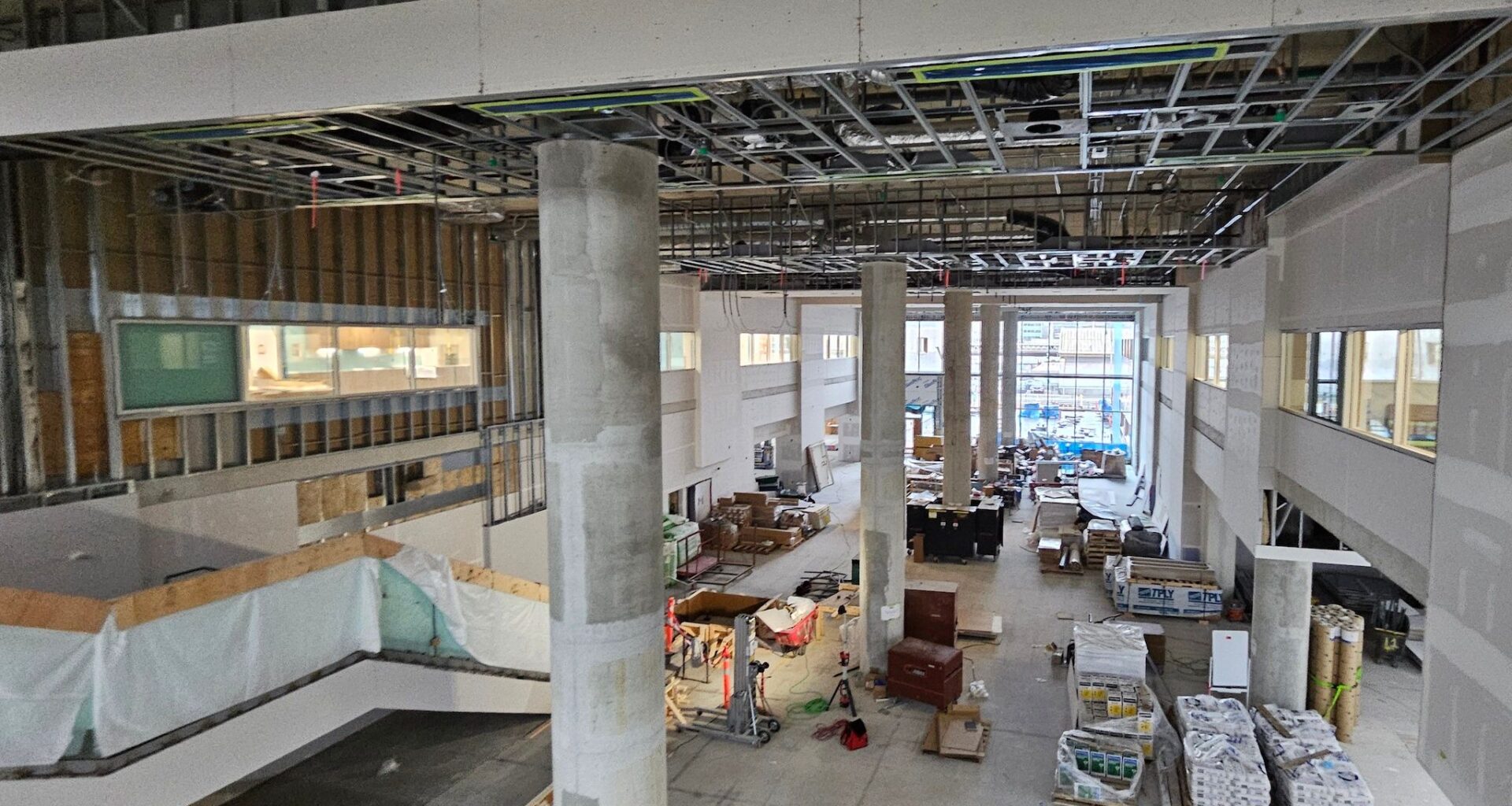
If all goes as planned, in over two years from now, Vancouver’s brand new St. Paul’s Hospital could be seeing its very first patients.
Construction on the $2.18-billion acute care hospital — providing a wide range of major provincial-level specialized services — at the northwest corner of the False Creek Flats, just south of Chinatown and north of Pacific Central Station and SkyTrain’s Main Street–Science World Station, began in early 2021. The project will replace the aging, outdated, and smaller Burrard Street hospital campus in downtown Vancouver.
After several years of extensive geotechnical work, excavation, and below-grade structural work, the new building reached a major construction milestone in Summer 2024 in its ascent — marked by the topping out achieved with the concrete pour for the rooftop of the 11th level.
Throughout 2025, very extensive work has been accomplished with completing the exterior and outfitting the interior.
In particular, work is now advancing on furnishing and equipping the interior of the vast 1.2 million sq. ft. of total building floor area spread across interconnected west and east towers.
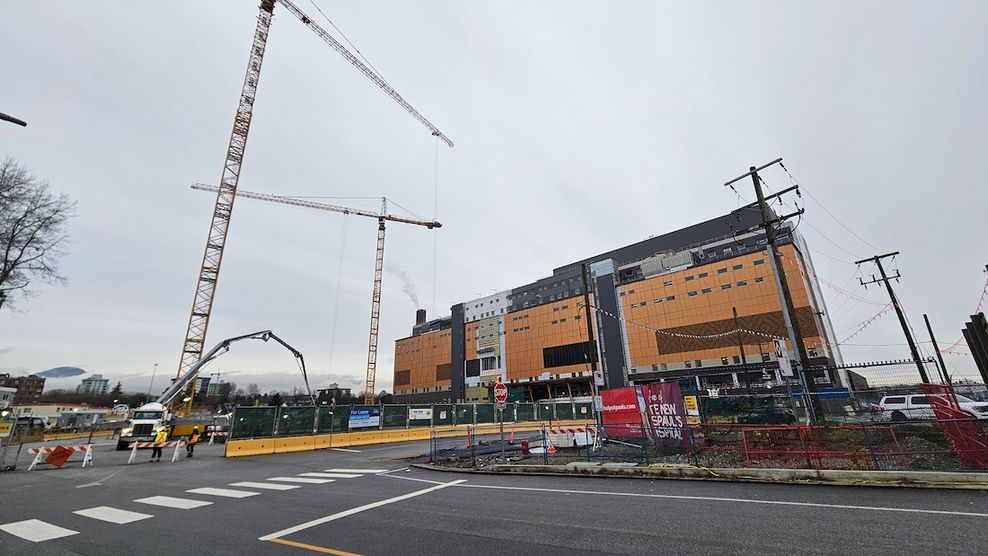
Construction progress on the new St. Paul’s Hospital, as of Dec. 11, 2025. (Kenneth Chan)
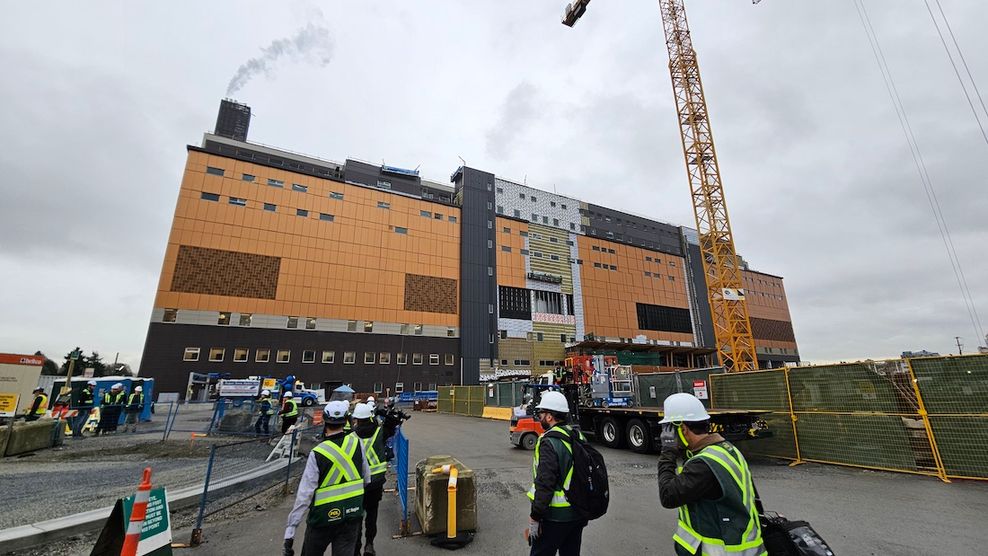
Construction progress on the new St. Paul’s Hospital, as of Dec. 11, 2025. (Kenneth Chan)
Aerial video showing the latest construction progress at the new St. Paul’s Hospital campus.
Acute care building to finish Summer 2026.
The big pit is the new Clinical Support & Research Centre building, completion in 2029. #bcpoli #vanpoli #vanrehttps://t.co/w4bstB9l7k pic.twitter.com/qY1wkECn9A
— Kenneth Chan (@iamkennethchan) December 14, 2025
Daily Hive Urbanized attended a behind-the-scenes tour of the construction progress on Thursday, accompanied by B.C. Minister of Infrastructure Bowinn Ma and the leaders and project managers of both Providence Health Care and contractor PCL Construction.
Clayton Wong, the project manager for Providence Health Care, told Daily Hive Urbanized the project is now roughly 75 per cent finished.
The new hospital is on target for construction completion in Summer 2026, but it will take a bit more time after that before it is operational. Wong says PCL will hand over the building to Providence in the summer, at which point a commissioning and transitioning period of roughly eight months will begin, with staff at the Burrard Street facility getting ready to move in. This includes relocating some of the existing equipment, joining the new state-of-the-art equipment made ready at the new facility.
If all goes as planned, the hospital will open and begin taking in patients in Spring 2027. Most existing patients at the Burrard Street campus will be moved to the new facility over the span of a single weekend to reduce the disruption to them as much as possible. Even after the new hospital opens, for a period of time, there will be some simultaneous crews operating both facilities.
As well, most researchers will remain at the old hospital campus for an additional year and a half after the hospital opens, until the new 12-storey Clinical Support and Research Centre (CSRC) at the campus opens. CSRC is being built at a separate cost of $638 million.
The CSRC is the second phase of the overall St. Paul’s Hospital campus, providing 370,000 sq. ft. of supporting space — including three levels for Providence’s uses as a direct extension of the hospital, such as exam rooms and specialty practices, as well as 116,000 sq. ft. of dedicated research space, 87,000 sq. ft. of community-based practices, and an innovation centre for research and teaching, a biomedical engineering prototyping hub, and a childcare facility for 49 kids.
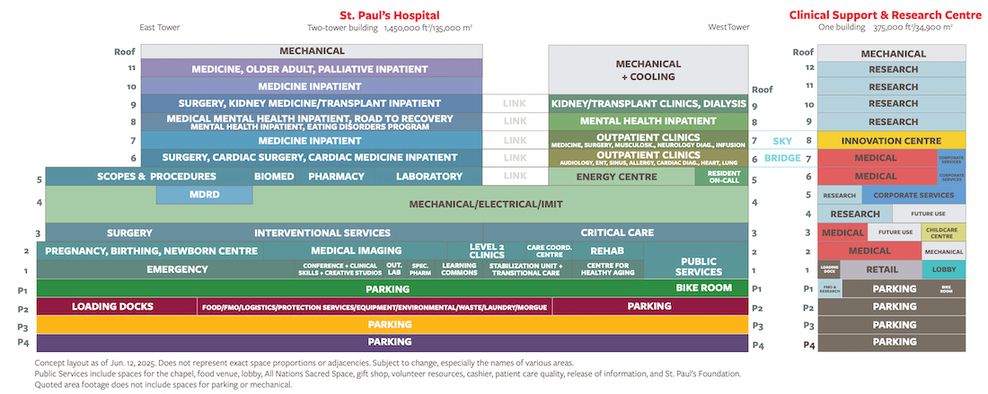
Floor plan uses of the new St. Paul’s Hospital (left) and the new Clinical Support and Research Centre (right), which are directly connected by a skybridge. (Providence Health Care)
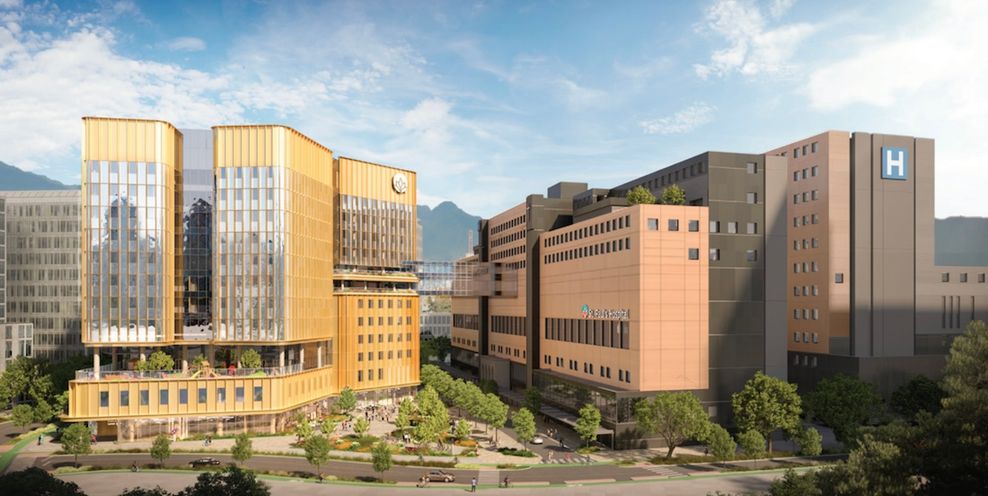
Artistic rendering of the Clinical Support and Research Centre building (left) and the new St. Paul’s Hospital acute care building (right), which are directly connected by skybridge. (Providence Health Care)
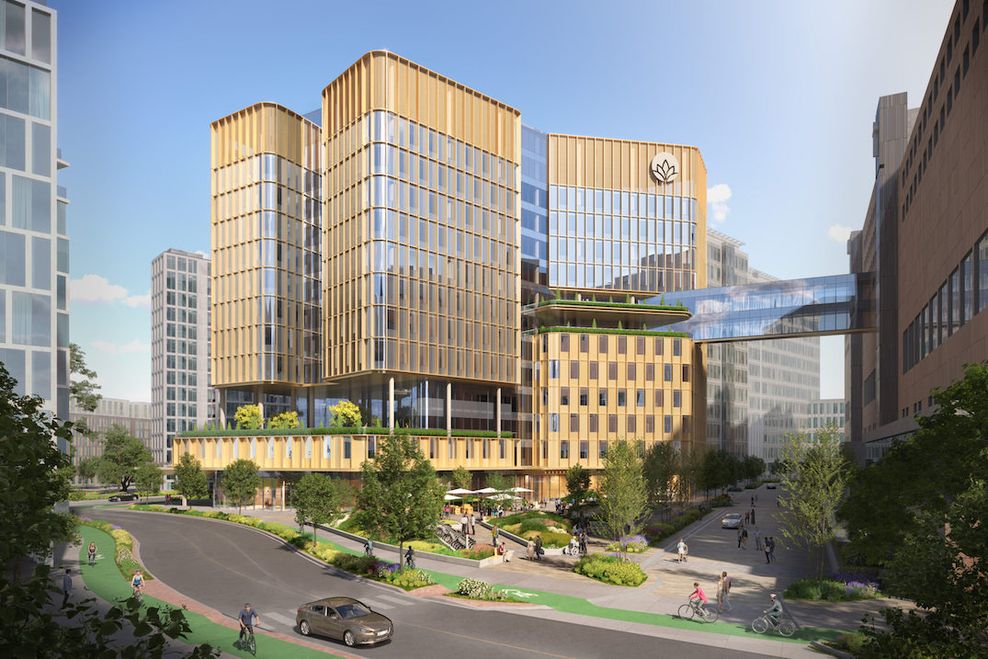
Artistic rendering of the Clinical Support and Research Centre building (left) and the new St. Paul’s Hospital acute care building (right), which are directly connected by skybridge. (Providence Health Care)
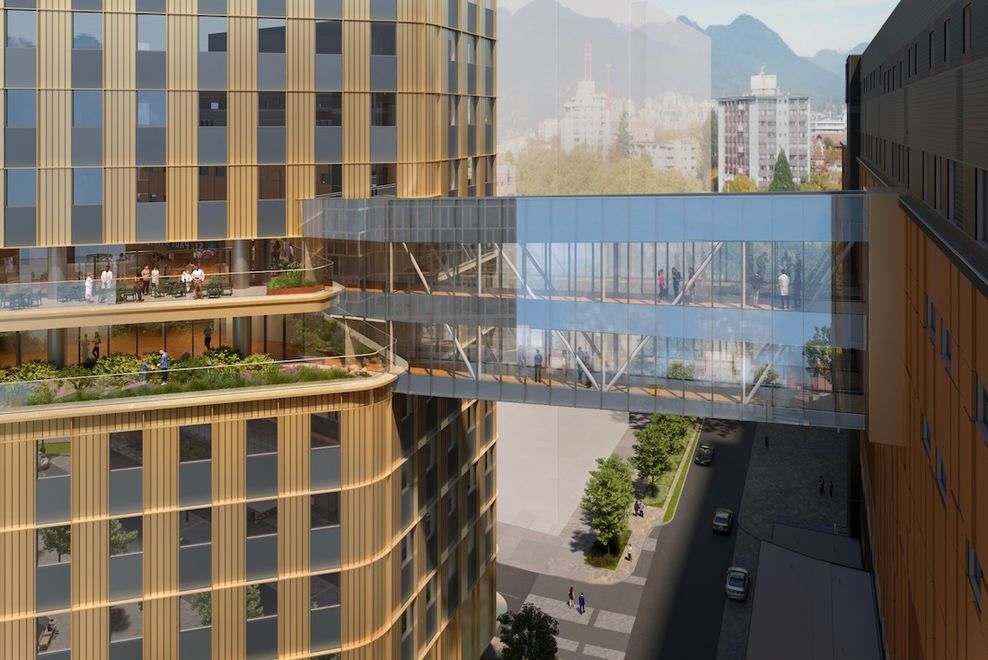
Artistic rendering of the Clinical Support and Research Centre building (left) and the new St. Paul’s Hospital acute care building (right), which are directly connected by skybridge. (Providence Health Care)
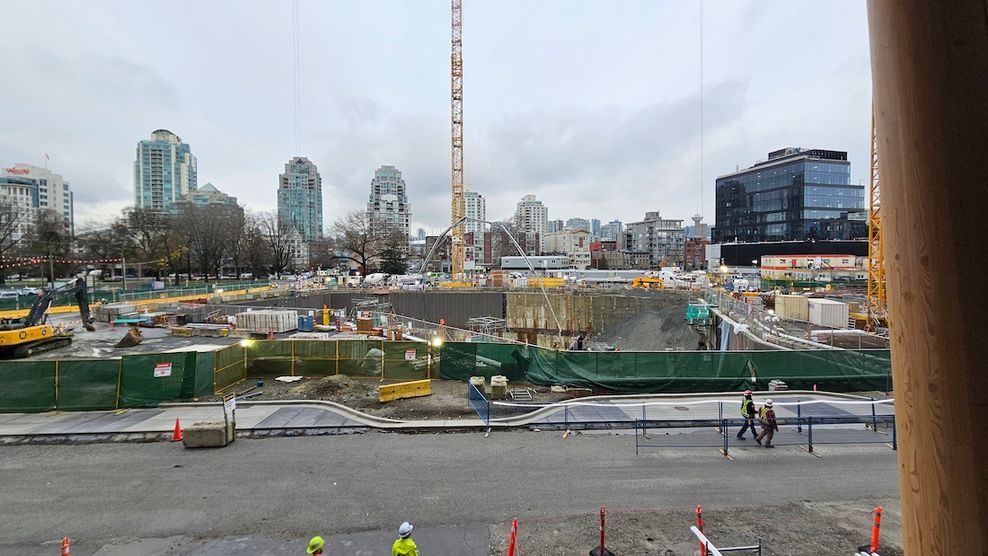
Construction progress on Providence Health Care’s new Clinical Support and Research Centre building, which will be directly connected to the St. Paul’s Hospital acute care building by skybridge, as seen on Dec. 11, 2025. (Kenneth Chan)
Construction on the CSRC building — situated immediately west of the new acute care hospital — began in March 2025 (currently excavation and below-grade work is still underway), with completion anticipated in 2029. The seventh and eighth levels of both the CSRC and the acute care hospital will be connected by a fully enclosed, two-level skybridge to facilitate the comfortable and efficient movement of staff and patients.
As for the main acute care hospital building, visitors arriving through the main entrance on the west side of the building — fronting a new internal street within the campus, across from the CSRC — will be greeted by First Nations artwork outside the doors, followed inside by wayfinding kiosks, visitor services, and security. From there, they will enter a large, two-storey, inviting central atrium — bathed in natural light by floor-to-ceiling windows on the east wall — before reaching the food court.
There are also two additional entrances on the north side of the building, just off Prior Street: one for the Emergency Department and another for the Mental Health Stabilization Unit. Separate entrances will also exist for the integrated urban health, mental health, and substance use clinics, and the Centre for Healthy Aging for seniors.
Ambulances will be able to drive directly to the building’s elevators, with the ambulance garage equipped with charging equipment to enable the potential future transition to battery-electric ambulance vehicles.
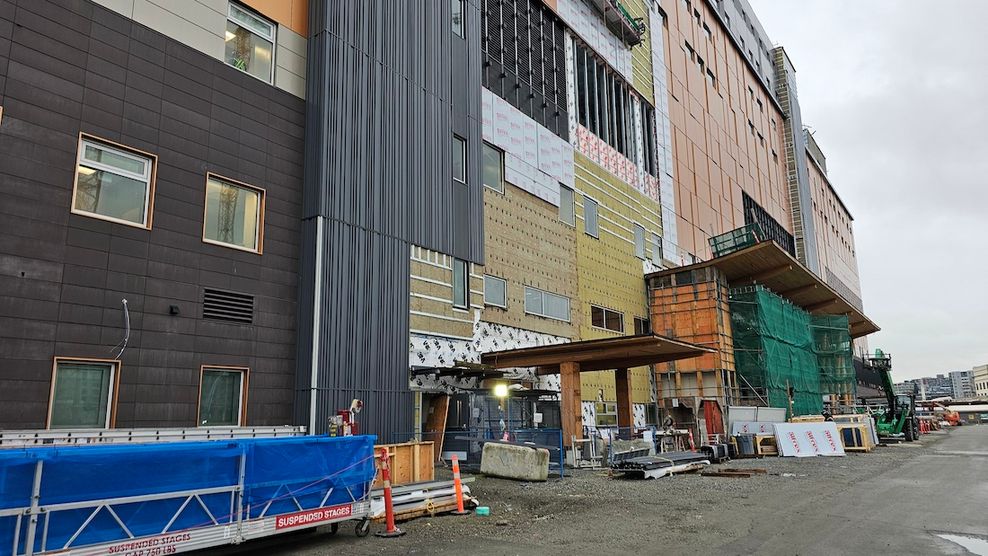
Construction progress on the new St. Paul’s Hospital, as of Dec. 11, 2025. (Kenneth Chan)
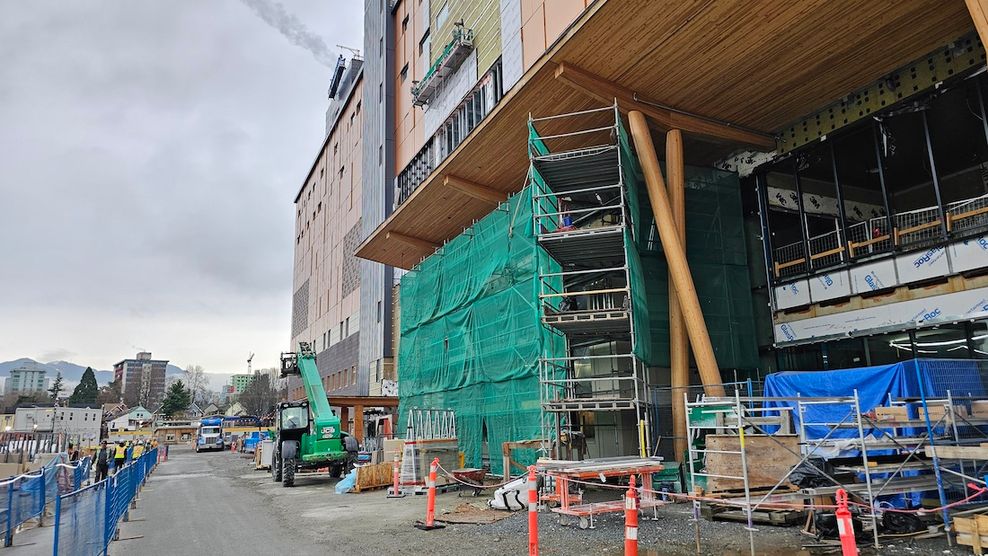
Construction progress on the new St. Paul’s Hospital, as of Dec. 11, 2025. (Kenneth Chan)
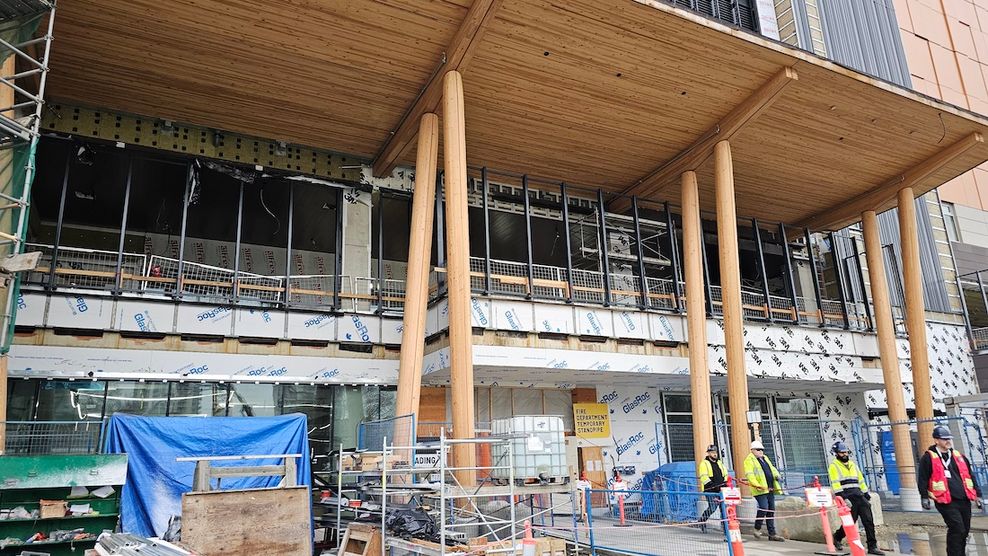
Construction progress on the new St. Paul’s Hospital, as of Dec. 11, 2025. (Kenneth Chan)
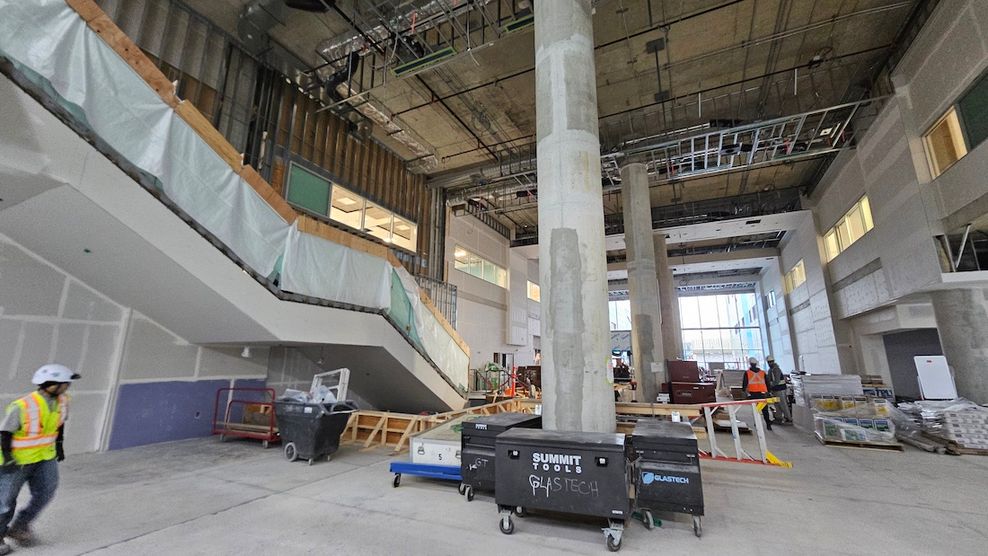
Construction progress on the new St. Paul’s Hospital, as of Dec. 11, 2025. (Kenneth Chan)
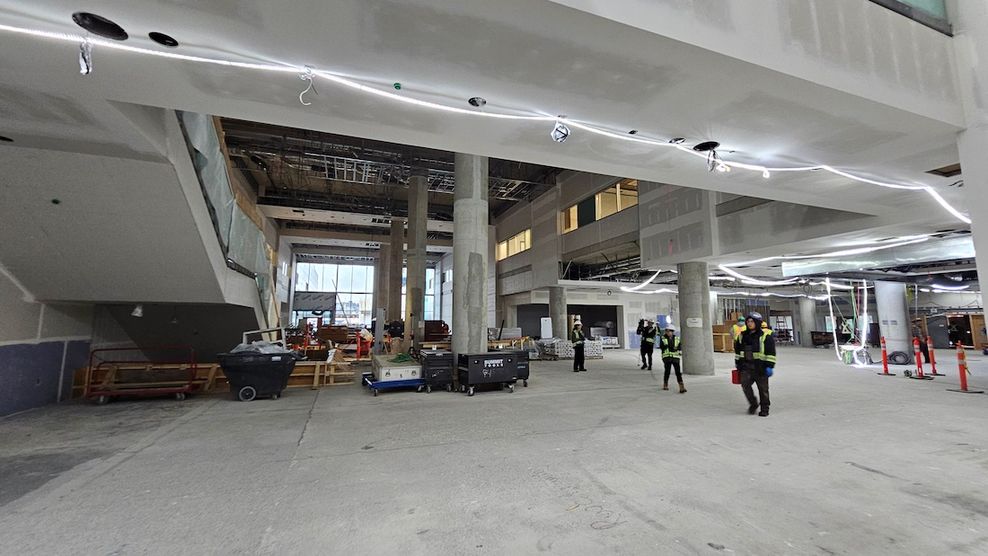
Construction progress on the new St. Paul’s Hospital, as of Dec. 11, 2025. (Kenneth Chan)
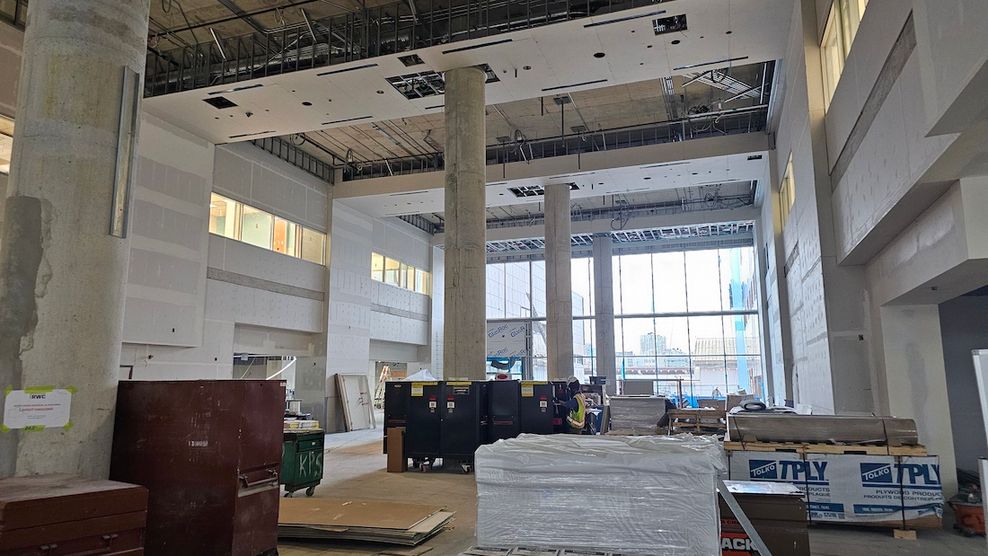
Construction progress on the new St. Paul’s Hospital, as of Dec. 11, 2025. (Kenneth Chan)
Post-disaster hospital design, resilient to flooding and earthquakes
The acute care hospital has four underground levels, all providing vehicle parking (a total of nearly 1,200 vehicle parking stalls, more than the Burrard Street facility), with a portion of the P2 level also providing space for loading docks, logistical and storage spaces, laundry facilities, and the morgue. The visitor parking entrance is located on the west side of the building, while the staff parking entrance is on the east side. Similarly, the CSRC will have four underground parking levels.
Notably, the acute care hospital does not have any critical building electrical, equipment, infrastructure, and mechanical systems within its underground levels. All of these features that keep the hospital operational and sustain life-support systems are located on the fourth and fifth floors — well above potential flood and tsunami levels.
Additionally, the post-disaster emergency backup generators that run on fuel tanks are also located on these higher floors above ground, enabling the hospital to run on its own power for 72 hours.
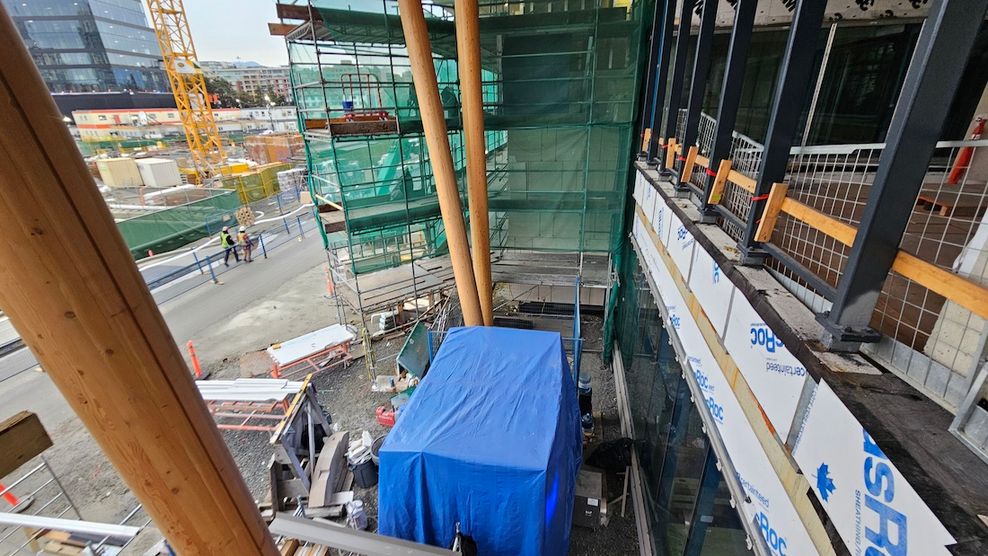
Construction progress on the new St. Paul’s Hospital, as of Dec. 11, 2025. (Kenneth Chan)
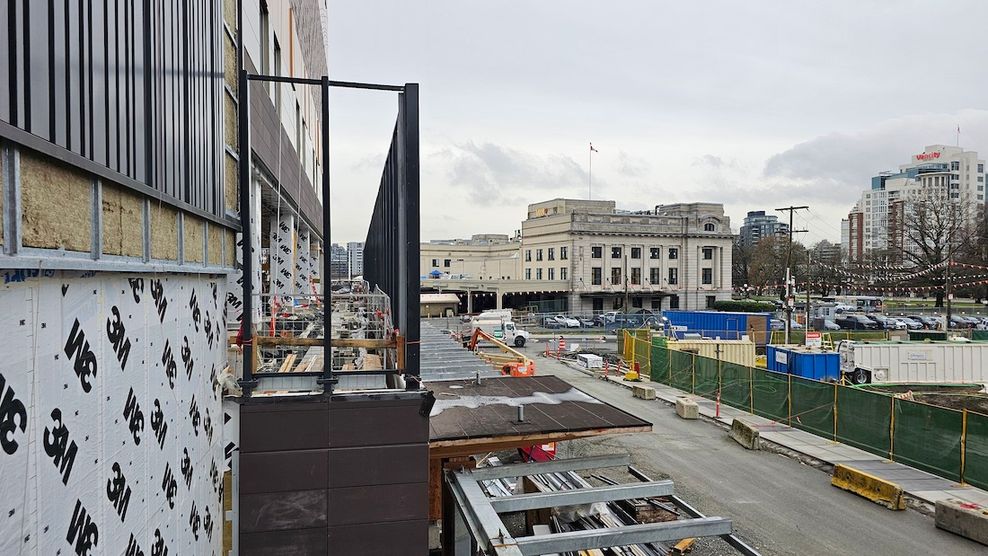
Construction progress on the new St. Paul’s Hospital, as of Dec. 11, 2025. (Kenneth Chan)
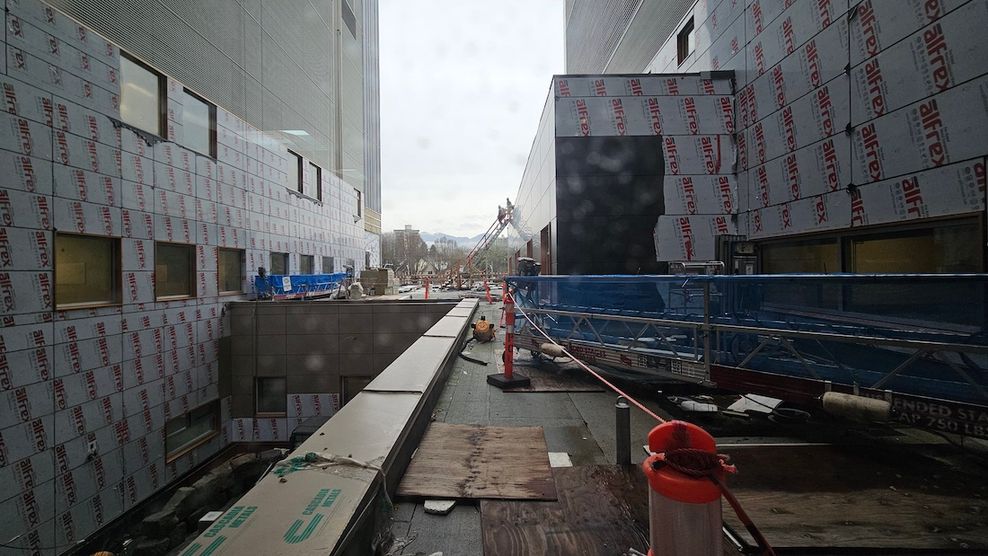
Construction progress on the new St. Paul’s Hospital, as of Dec. 11, 2025. (Kenneth Chan)
As a key design consideration due to the site’s low elevation and close proximity to False Creek, the building’s ground has been raised — now five metres above the sea-level rise predicted by the year 2100. Moreover, for seismic resilience, the foundations reach a considerable depth — embedded into very hard glacial til. This involved removing marshy organic matter that was previously deposited into the area.
Additionally, the new roads being built within and around the campus are Vancouver’s very first earthquake-resistant roads.
“Consistent with every other major hospital project that we are currently building in the province, this new St. Paul’s Hospital will be built to post-disaster standards,” said Minister Ma.
“It’s a very high construction standard that basically allows for this facility to stay standing and operating in the event of a severe natural disaster, including some of the worst earthquakes that we might expect here in B.C.”
Preparing for the next pandemic and extreme heat weather events
Furthermore, some design changes were also made to the acute care hospital building, in direct response to two disasters experienced in recent years.
To prepare for the next heat dome and other extreme heat weather events, the hospital has advanced mechanical systems for air quality and cooling based on temperatures predicted by the year 2080.
For improved pandemic readiness, there has been a renewed emphasis on operational flexibility, infection control, and surge capacity to ensure the hospital can safely and effectively respond to future emergencies and pandemics.
The new hospital includes 56 critical care inpatient rooms, a total that incorporates empty “flex” spaces that can be quickly repurposed, equipped, and activated when demand increases. Medical and surgical inpatient rooms have also been designed to a higher standard, allowing them to function as intensive care rooms if required, with sufficient space to accommodate larger care teams and advanced equipment such as ventilators. In addition, the high-acuity and cardiac surgery intensive care units have been designed to be flexed into full intensive care units as needed.
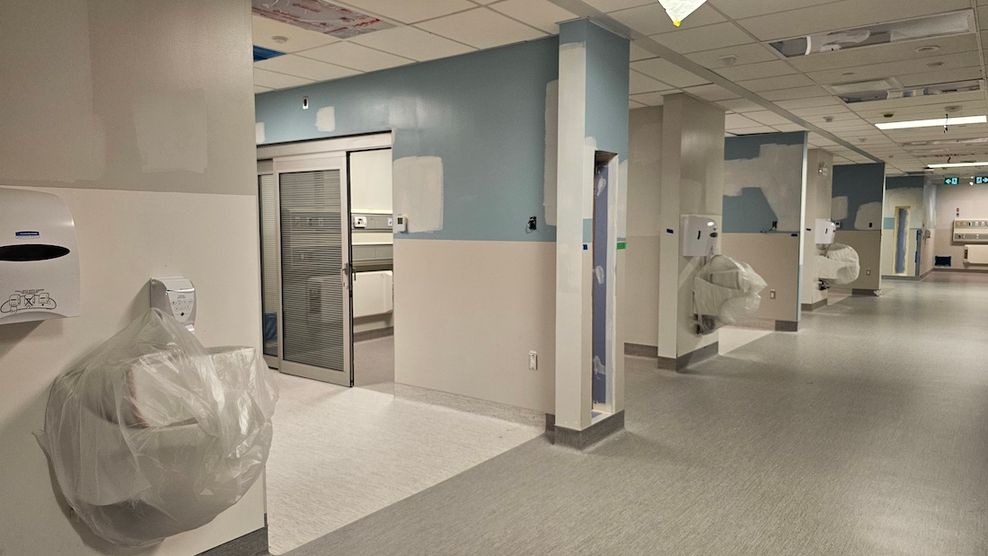
Construction progress on the new St. Paul’s Hospital, as of Dec. 11, 2025. (Kenneth Chan)
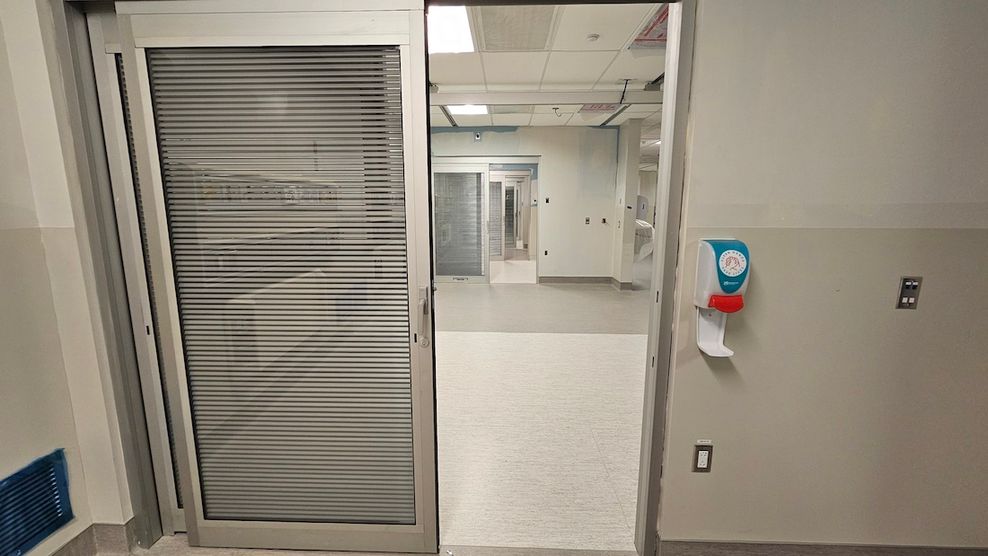
Construction progress on the new St. Paul’s Hospital, as of Dec. 11, 2025. (Kenneth Chan)
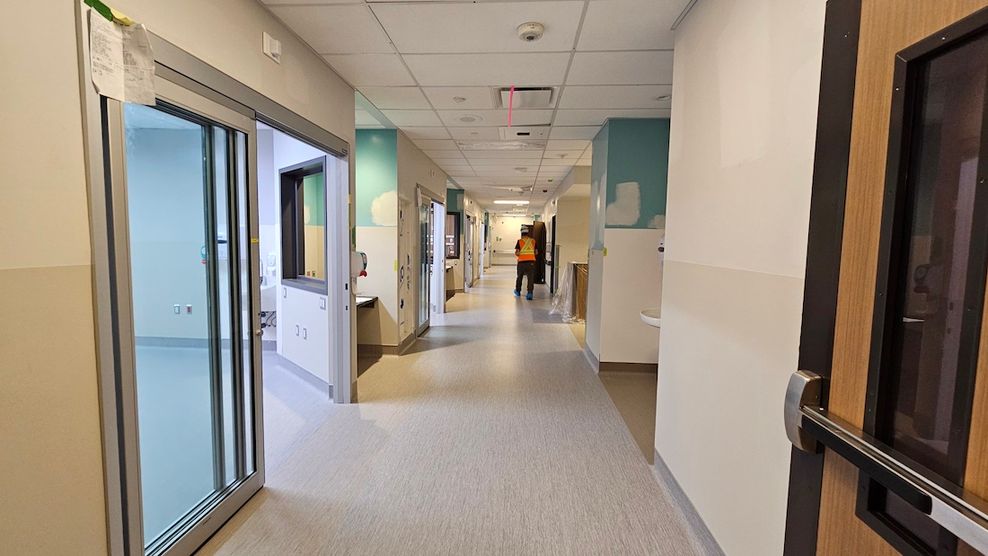
Construction progress on the new St. Paul’s Hospital, as of Dec. 11, 2025. (Kenneth Chan)
To further support adaptability, oxygen will be piped into a greater number of exam and procedure rooms, allowing these spaces to be converted for inpatient use during periods of high demand. A larger equipment depot, along with improved storage and supply delivery systems, will support just-in-time distribution of equipment and personal protective equipment (PPE).
More than 100 specialized negative-pressure isolation rooms will be distributed throughout the hospital, including in the Emergency Department, critical care, inpatient units, maternity, renal and hemodialysis, surgical services, and procedure areas. These rooms feature independent ventilation systems to prevent airborne pathogens from spreading, and many include adjacent anterooms — a small room that serves as an entrance to a larger, more important room, functioning as a waiting area, lobby, or transition space, including wearing and taking off PPE.
Infectious patients may also be cared for within 15 newly designed outbreak control zones, each consisting of 10 to 16 inpatient rooms or spaces that can be isolated as a group. Each zone will be self-sufficient, with its own medication room, clean and soiled utility rooms, and equipment storage, as well as a ventilation system capable of switching to negative pressure. Controlled entrances with double-door anterooms will help maintain air pressure differences while providing safe spaces for staff to manage PPE.
The hospital will feature more than 1,700 hand-washing sinks, including in all patient care, exam, and procedure rooms.
In the Emergency Department, treatment spaces will be enclosed with walls and glass doors rather than curtains, improving both privacy and infection control, while easy-to-clean solid dividers will replace curtains in other patient care areas. A new decontamination room near the emergency entrance will allow potentially infectious individuals to be isolated from other patients and visitors, and the new ambulance garage has been designed so it can be converted into an external testing or triage centre during a pandemic.
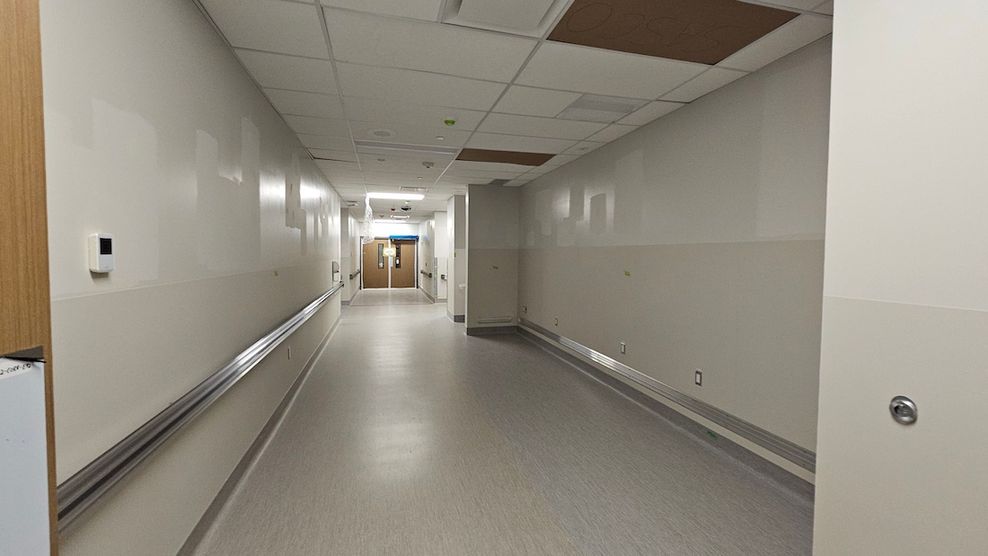
Construction progress on the new St. Paul’s Hospital, as of Dec. 11, 2025. (Kenneth Chan)
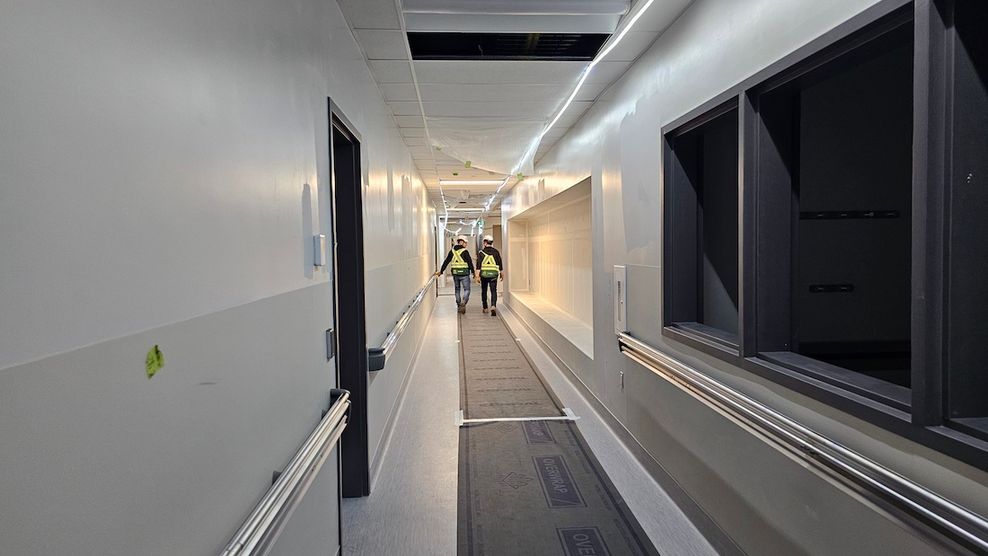
Construction progress on the new St. Paul’s Hospital, as of Dec. 11, 2025. (Kenneth Chan)
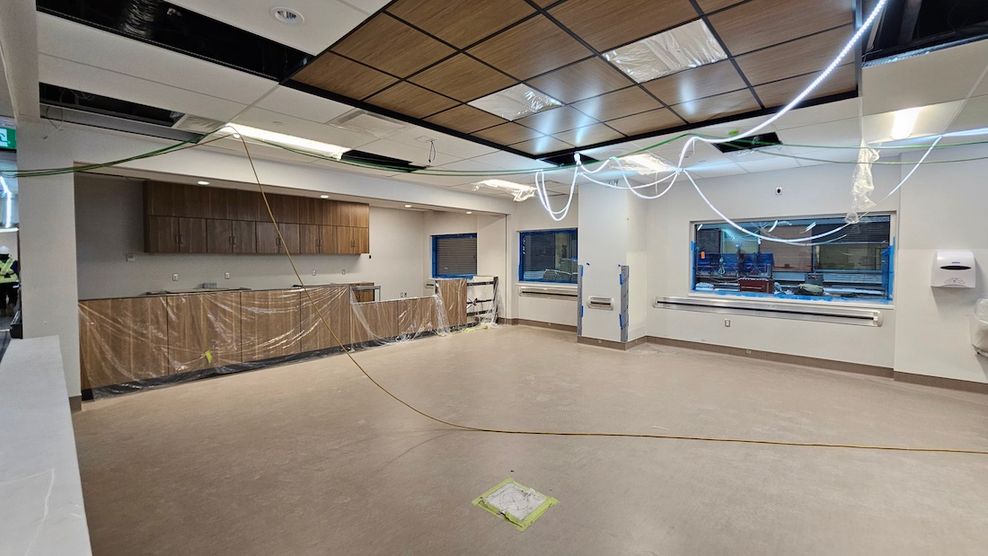
Construction progress on the new St. Paul’s Hospital, as of Dec. 11, 2025. (Kenneth Chan)
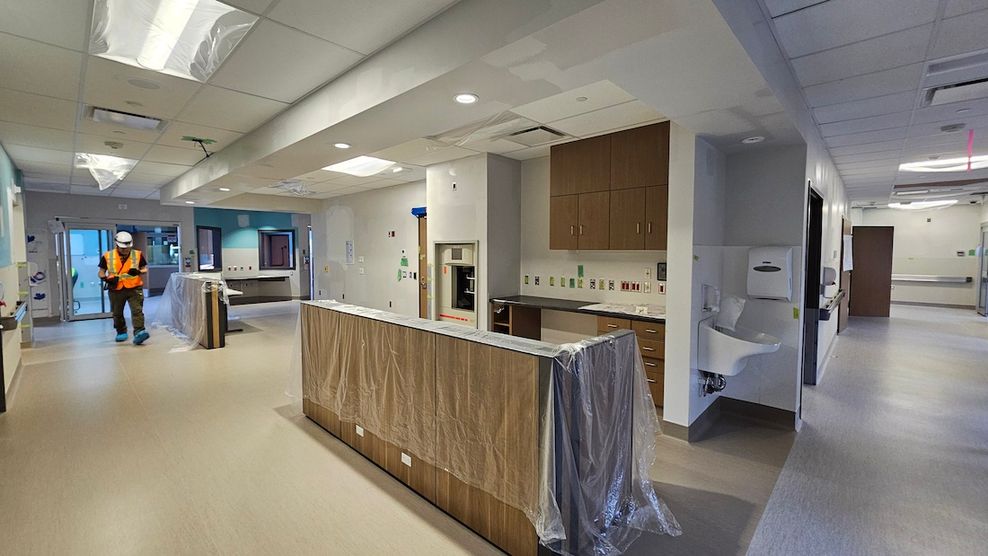
Construction progress on the new St. Paul’s Hospital, as of Dec. 11, 2025. (Kenneth Chan)
A high-tech, future-proof hospital with robots and more capacity
Technology will also play a key role in improving safety and coordination. Digital screens outside each patient room will display real-time information on isolation status and required PPE, while care team stations will include digital patient tracking screens to support coordination across units and surgical suites.
A real-time location system will allow staff to quickly locate mobile equipment such as ventilators, stretchers, and wheelchairs, and touchless doors throughout many corridors will help reduce the spread of germs.
Smart building systems will continuously monitor HVAC performance to ensure optimal air exchanges and pressure control, while additional inpatient rooms and operating rooms will have enhanced negative-pressure and rapid air-flush capabilities. Waiting areas have been designed to improve circulation and reduce crowding, and the expanded use of UVC light will provide an added layer of air and surface disinfection throughout the facility.
As well, the new acute care hospital building’s multiple, separate street-level entrances for different departments and clinics, along with the standalone CSRC building for researchers and physician offices — rather than locating them within the acute care hospital as at the current Burrard Street facility — will help reduce the spread of disease.
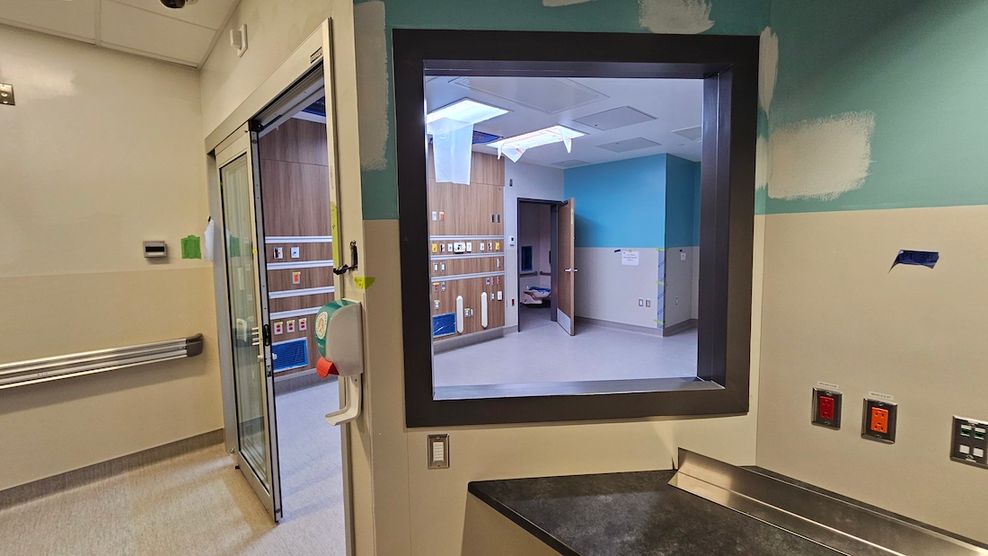
Construction progress on the new St. Paul’s Hospital, as of Dec. 11, 2025. (Kenneth Chan)
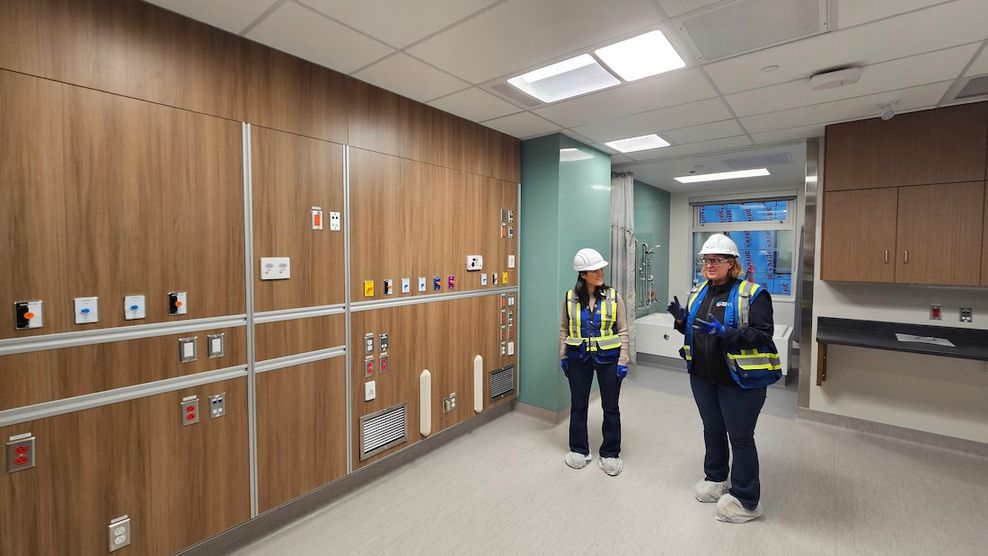
Construction progress on the new St. Paul’s Hospital, as of Dec. 11, 2025. (Kenneth Chan)
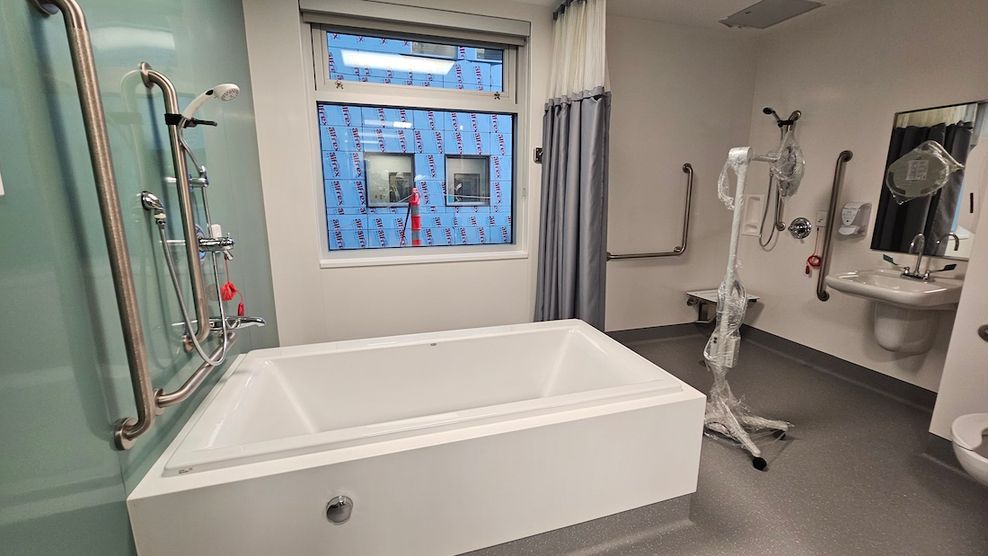
Construction progress on the new St. Paul’s Hospital, as of Dec. 11, 2025. (Kenneth Chan)
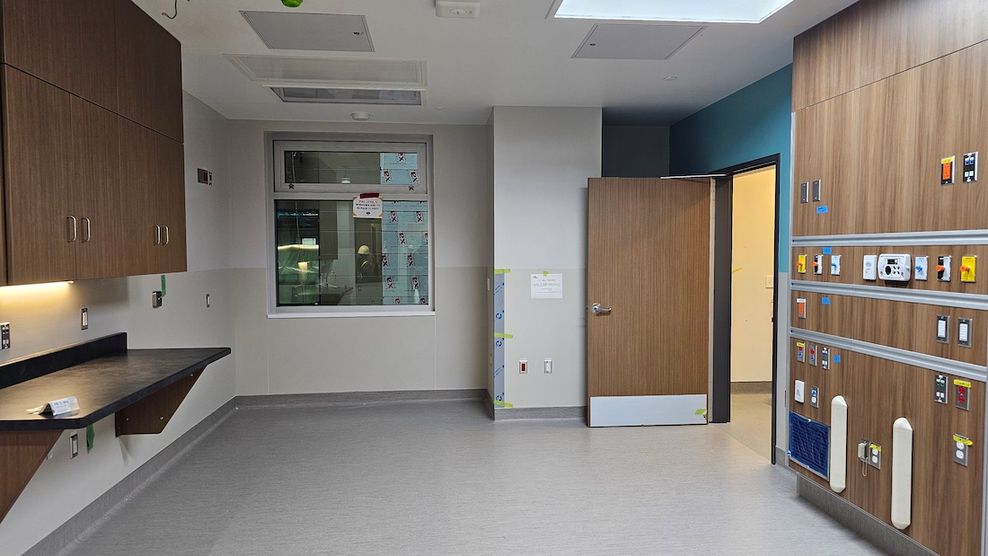
Construction progress on the new St. Paul’s Hospital, as of Dec. 11, 2025. (Kenneth Chan)
Moreover, from the outset, the new acute care hospital building is designed with 548 beds, all in private, single-patient rooms. This not only provides a net gain of 115 beds compared to the existing Burrard Street facility, but it also represents a shift from 15 per cent private, single-patient rooms to 100 per cent, which follows the latest optimal hospital design practices dating before the pandemic to greatly reduce a patient’s exposure to contagions and the potential spread of disease.
Such rooms also have a private washroom for the patient, a hand-washing sink for staff and family, and most have an automatic bed-pan washer.
As well, there will be new bedside devices to help inpatients reach family, control room settings, read health info, and access entertainment with ease.
Currently, at the existing Burrard Street hospital, St. Paul’s Hospital uses an outdated nursery model that puts up to nine families in just a single room. At the new facility, there is a new Neonatal Intensive Care Unit, with 10 single-patient rooms so that the parents and babies can stay together.
As well, there is an expanded maternity ward, with 15 large labour and birthing rooms, including six with a birthing tub. Each room also has a private washroom and shower, and a family zone space, with a pull-out sofa for the dad and other siblings and family members.
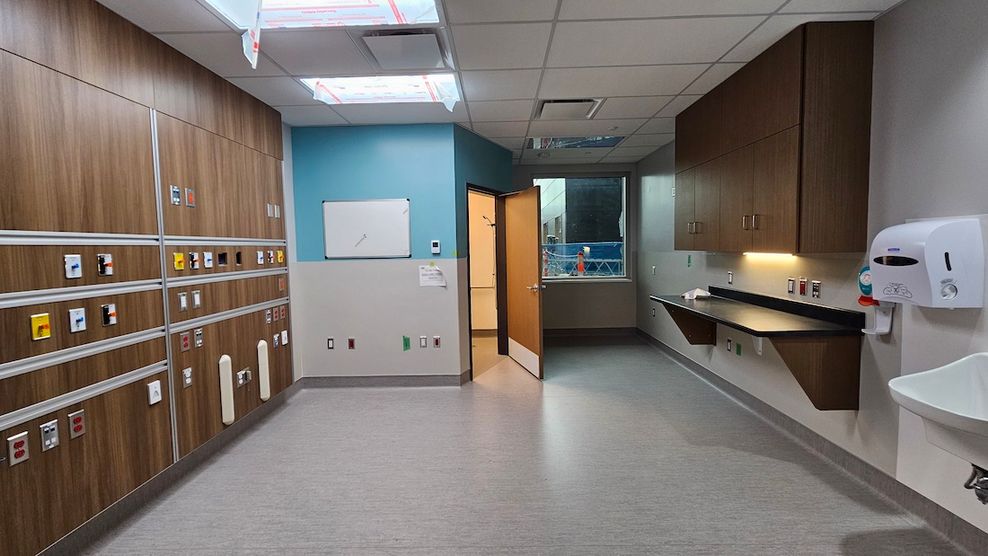
Construction progress on the new St. Paul’s Hospital, as of Dec. 11, 2025. (Kenneth Chan)
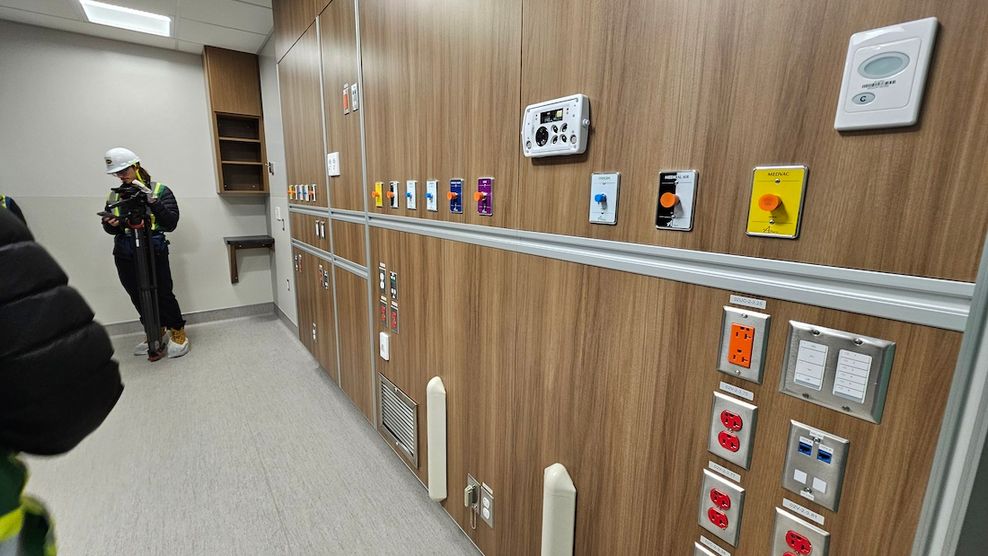
Construction progress on the new St. Paul’s Hospital, as of Dec. 11, 2025. (Kenneth Chan)
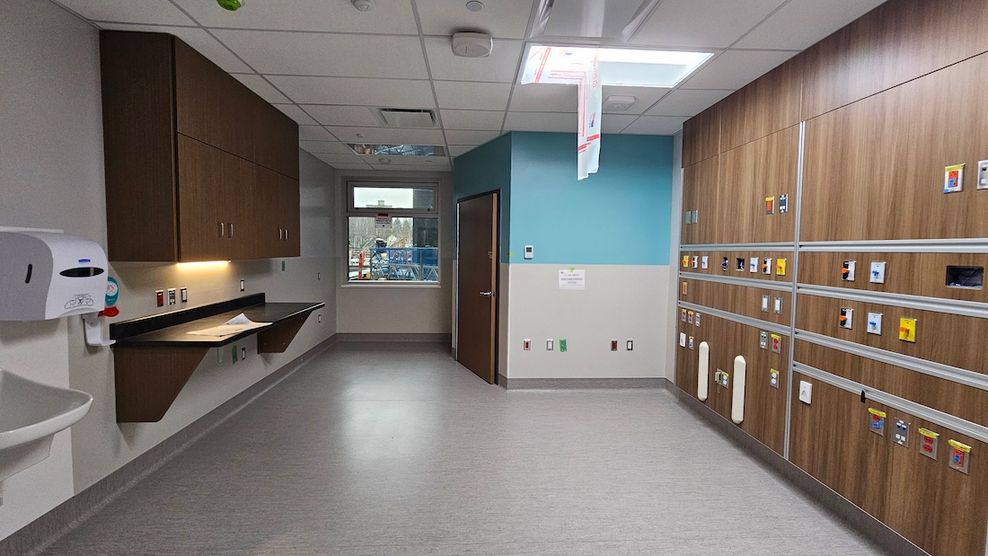
Construction progress on the new St. Paul’s Hospital, as of Dec. 11, 2025. (Kenneth Chan)
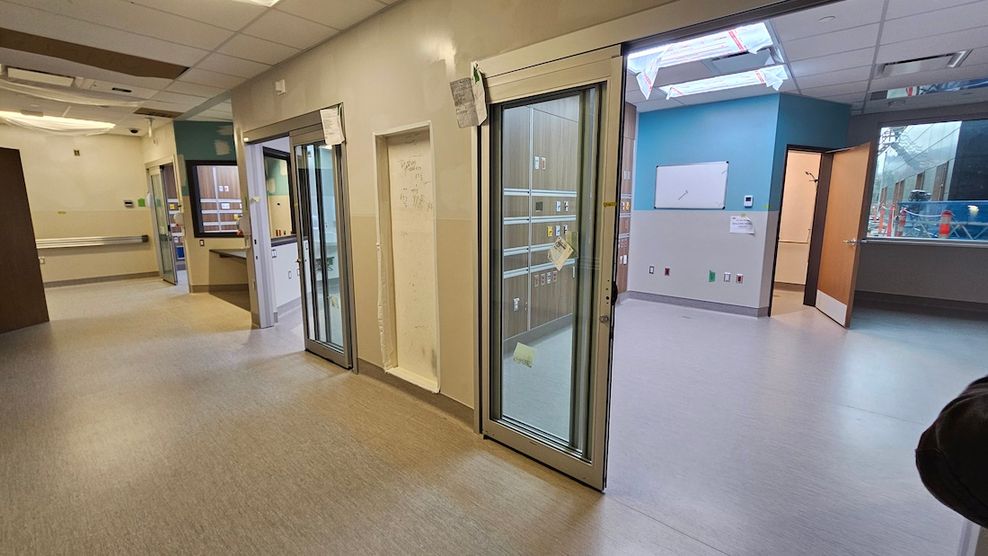
Construction progress on the new St. Paul’s Hospital, as of Dec. 11, 2025. (Kenneth Chan)
The new hospital has 18 operating rooms — an increase of six compared to the existing facility — including two in the Emergency Department. Two operating rooms will be larger, enabling hybrid use and the future addition of robotic surgical equipment.
The operating rooms are also designed for flexible use, with movable overhead surgical booms that allow the room configuration and layout to be adapted, and with equipment that can be easily brought in or removed depending on the type of surgery.
By moving away from specialized operating room designs toward universal operating rooms, the hospital gains greater flexibility in surgery scheduling. In older hospitals, operating rooms that are limited to specific types of procedures often sit unused during available time slots, resulting in an inefficient use of what is effectively a limited resource.
To support patient well-being and recovery, while also providing amenity spaces for staff, the new building incorporates internal outdoor gardens and covered, semi-enclosed outdoor areas on a higher level.
Robots on wheels are also coming to the new hospital.
Automated robotic systems, technically known as automatic guided vehicles, will operate in back-of-house corridors to transport supplies throughout the hospital.
These robotic systems support just-in-time delivery, reducing clutter on care units, limiting the presence of soiled materials, and ensuring staff have timely access to essential items such as blankets or wound dressings when they are needed.
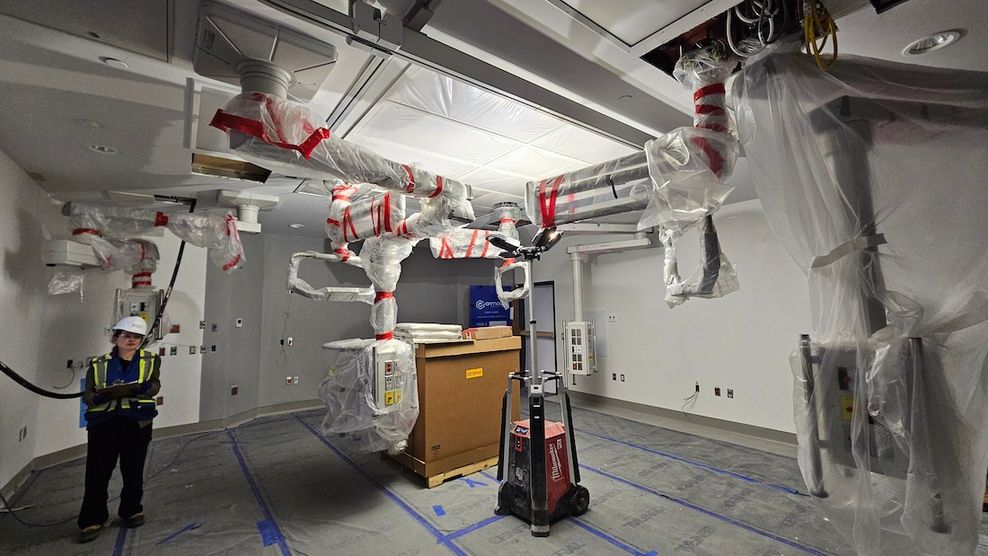
Construction progress on the new St. Paul’s Hospital, as of Dec. 11, 2025. (Kenneth Chan)
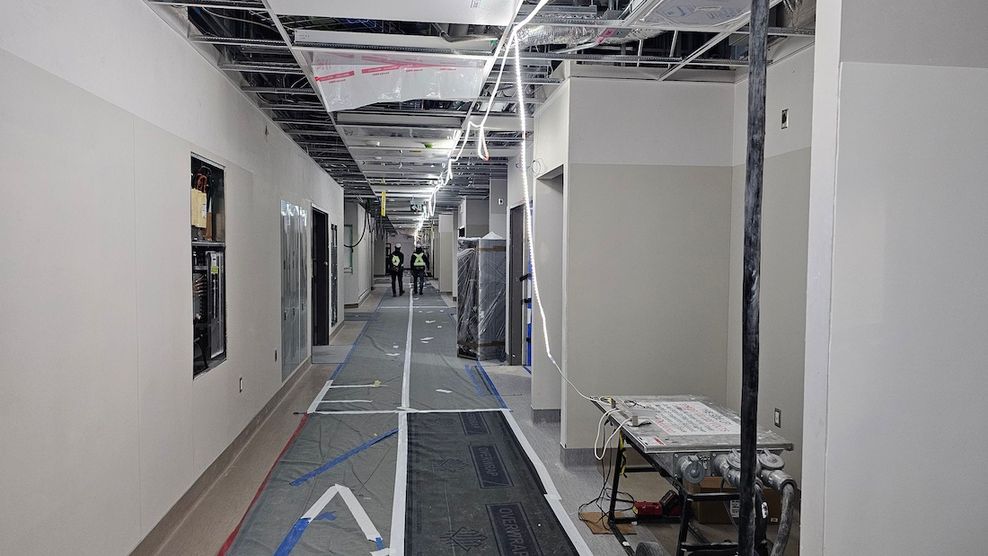
Construction progress on the new St. Paul’s Hospital, as of Dec. 11, 2025. (Kenneth Chan)
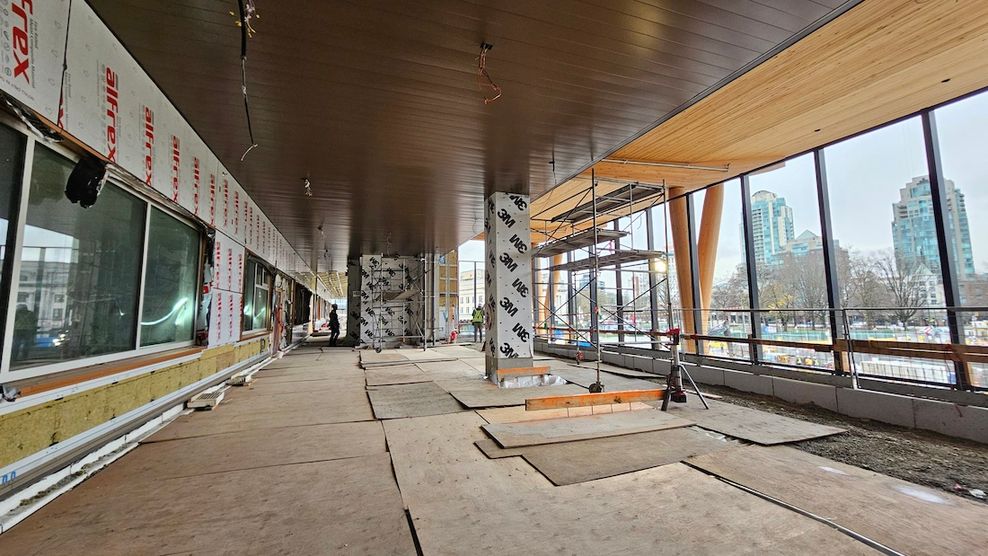
Construction progress on the new St. Paul’s Hospital, as of Dec. 11, 2025. (Kenneth Chan)
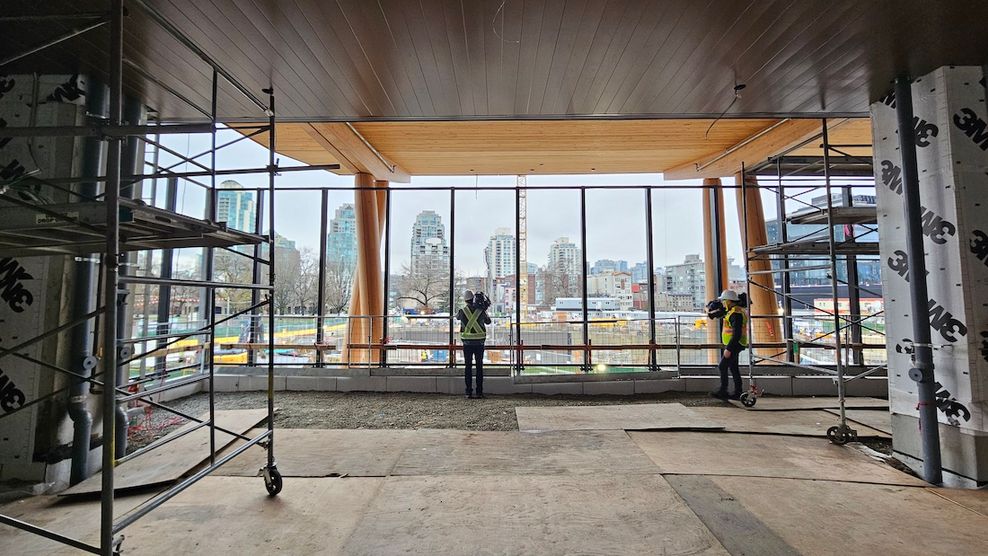
Construction progress on the new St. Paul’s Hospital, as of Dec. 11, 2025. (Kenneth Chan)
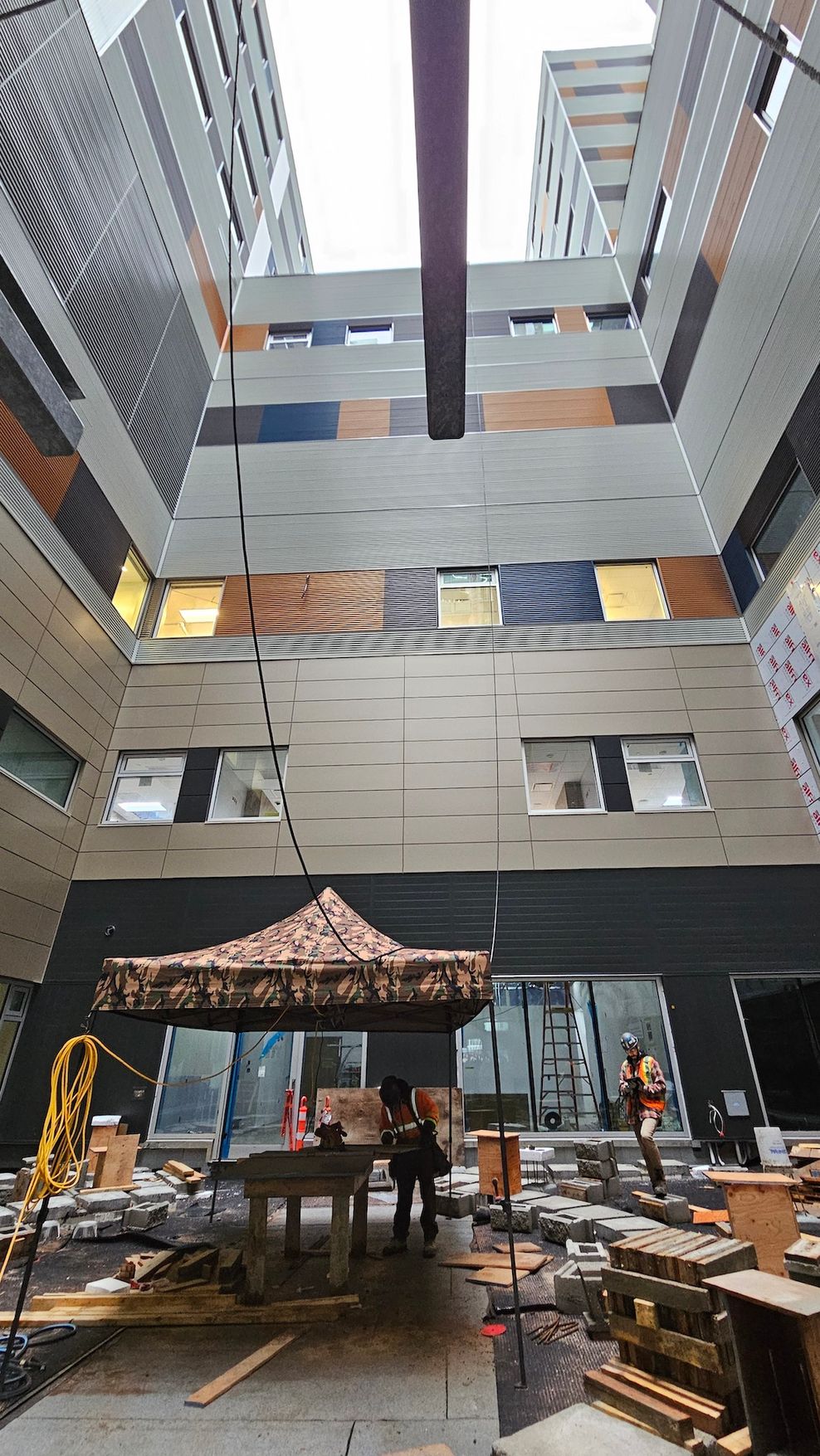
Construction progress on the new St. Paul’s Hospital, as of Dec. 11, 2025. (Kenneth Chan)
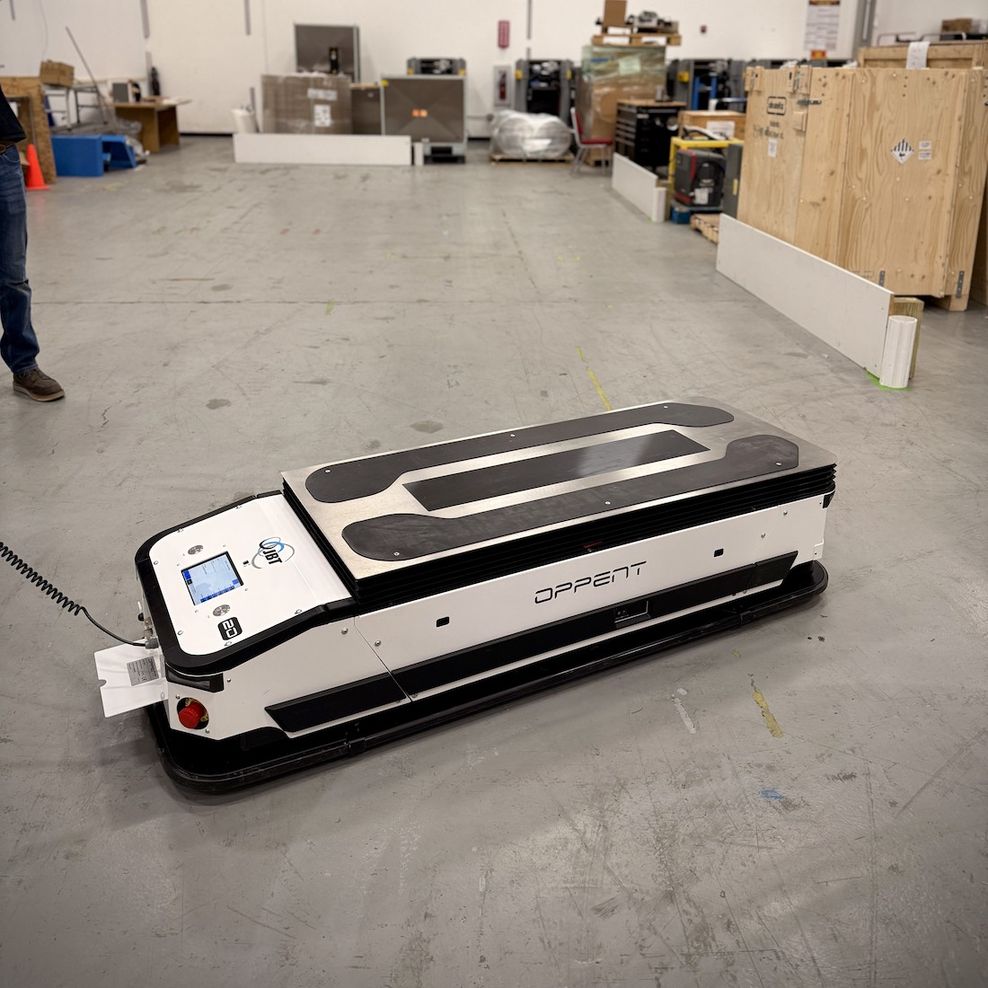
Automated Guided Vehicles for St. Paul’s Hospital. (Providence Health Care)
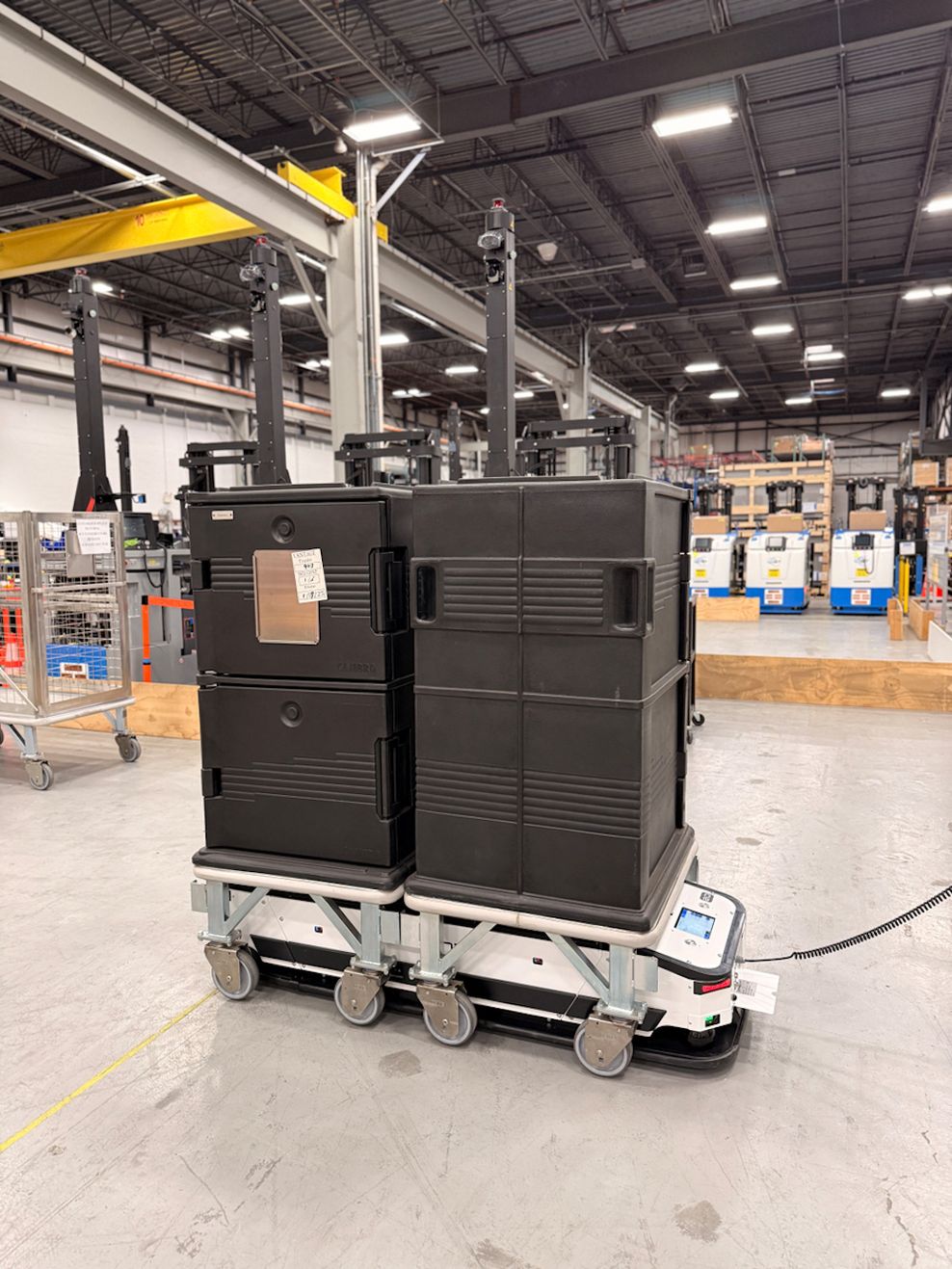
Automated Guided Vehicles for St. Paul’s Hospital. (Providence Health Care)
The hospital has been deliberately designed with redundancy and excess capacity to ensure long-term adaptability in the face of rapid and unpredictable change. While it is impossible to anticipate exactly how clinical practices and technologies will evolve, the design acknowledges that change is accelerating. As a result, the building incorporates spare electrical capacity, additional space in cable trays, and extra connection points, making it significantly easier to accommodate future upgrades and system expansions compared with older facilities.
Although some elements of hospital infrastructure are relatively static, many clinical and digital technologies evolve quickly, particularly software applications and data-driven systems. To address this, the new hospital is placing a strong emphasis on a robust and flexible infrastructure backbone, especially for information technology systems.
More broadly, there is also ample space for the hospital and medical research campus to grow on the 18.4-acre property.
The acute care hospital building has been designed to accommodate a future expansion wing on its east side. Additional parcels located to the west and north of the acute care and CSRC buildings are intended for future CSRC expansion, as well as medical research, office, hotel, and employee housing developments.
Upon the complete buildout of the entire campus, there could be up to 10,000 on-site workers in the hospital, research and clinical facilities, office spaces, hotel, and retail/restaurant operations and other services.
After the Burrard Street acute care hospital and research facilities are fully closed, local developer Concord Pacific will be able to proceed with its major high-density, mixed-use development of the 6.6-acre site. The developer acquired the property for about $1 billion in 2020, with Providence Health Care directing the proceeds toward covering the cost of building its new St. Paul’s campus. Concord Pacific has yet to publicly unveil its potential redevelopment concept.
The existing Burrard Street hospital campus was first established in 1894 as a small wood-frame building. Over the subsequent decades, it has been expanded and rebuilt many times. Major additions were made to the hospital in 1931 and 1945, and more recently a 10-storey tower in 1983 and a second 10-storey tower in 1991.
Before deciding to build an entirely new hospital campus at the False Creek Flats, Providence Health Care considered redeveloping the existing Burrard Street site. However, doing so would have required a lengthy, multi-phased construction process to keep the hospital operational while minimizing disruptions. The current Burrard Street campus also has a very poor seismic rating and consists of a patchwork of inefficiently connected buildings with aging, failing systems. Relocating the hospital has made it possible to design a brand new purpose-built campus from scratch that incorporates the latest best practices in healthcare design and operations.
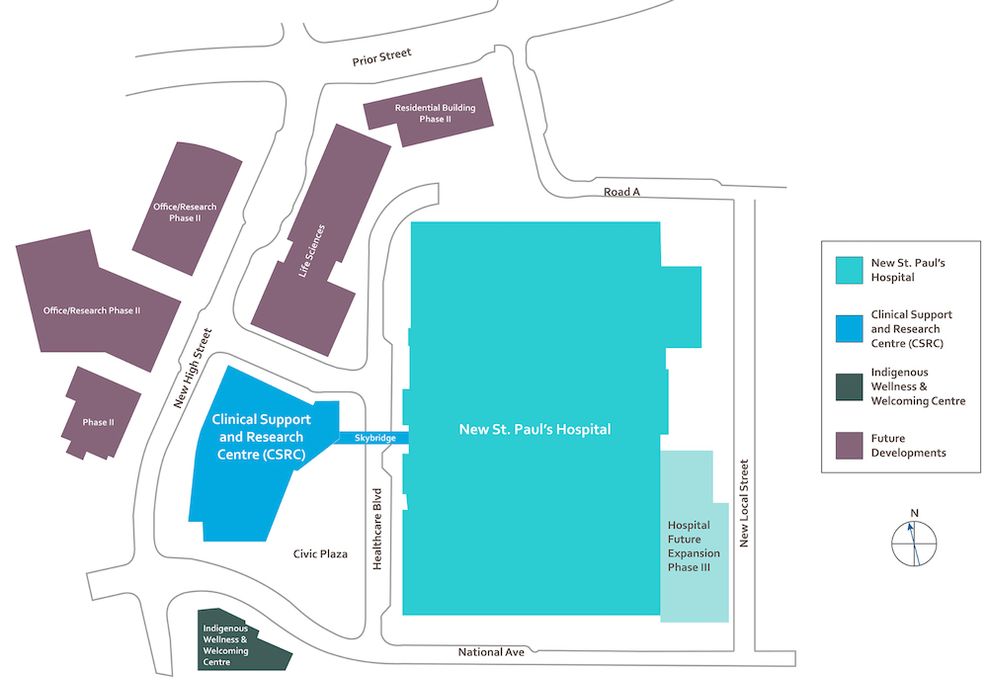
Master plan for the new St. Paul’s Hospital campus in the False Creek Flats. (Providence Health Care)
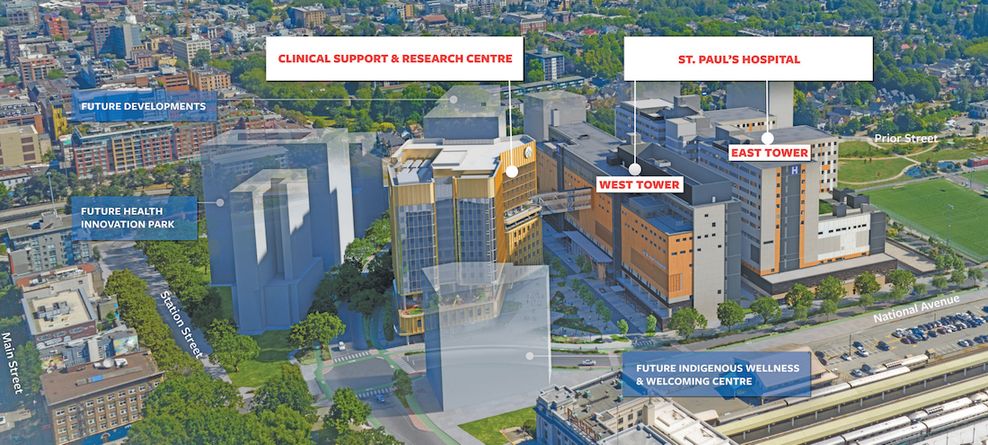
Master plan for the new St. Paul’s Hospital campus in the False Creek Flats. (Providence Health Care)
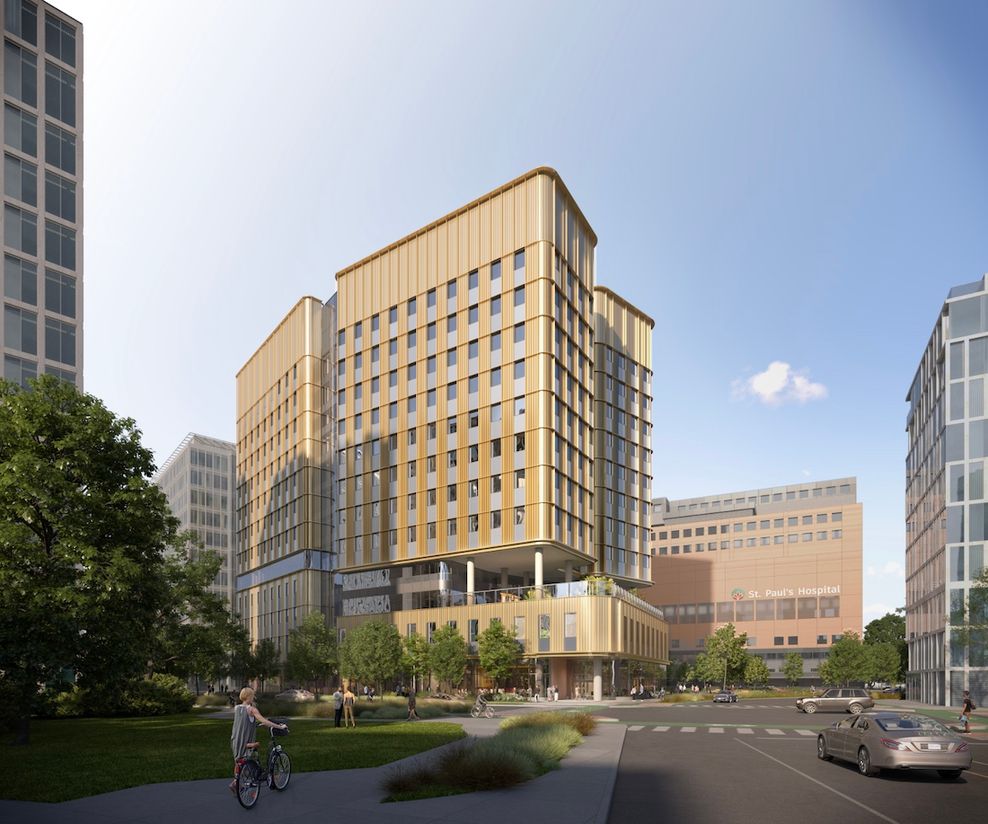
Artistic rendering of the new Clinical Support and Research Centre building (foreground) and the new St. Paul’s Hospital acute care building (background). (Providence Health Care)
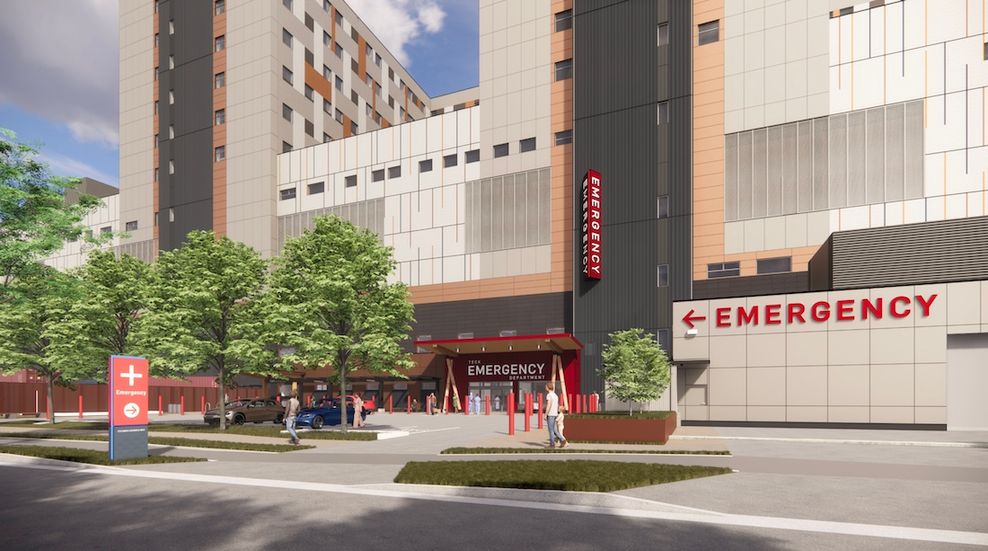
Artistic rendering of the new St. Paul’s Hospital acute care building. (Providence Health Care)
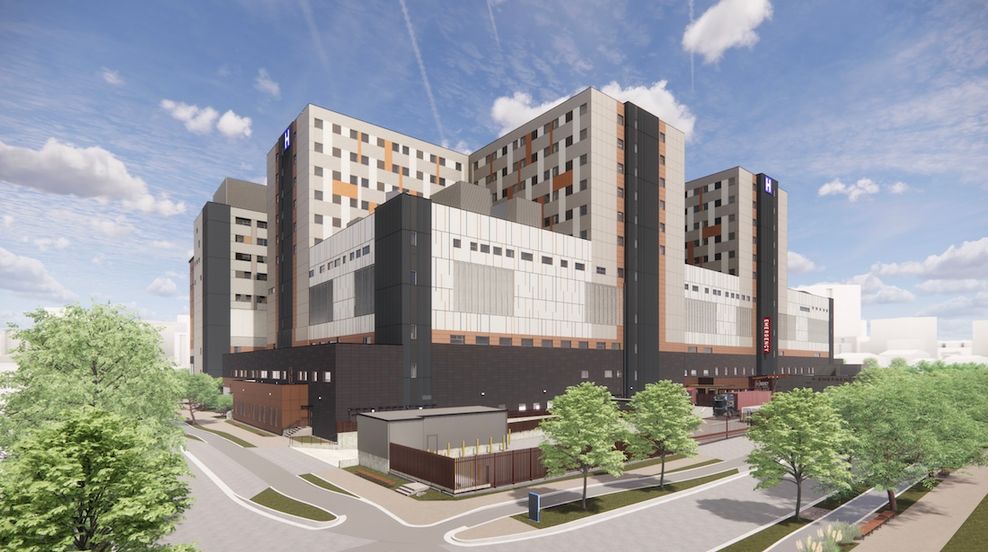
Artistic rendering of the new St. Paul’s Hospital acute care building. (Providence Health Care)
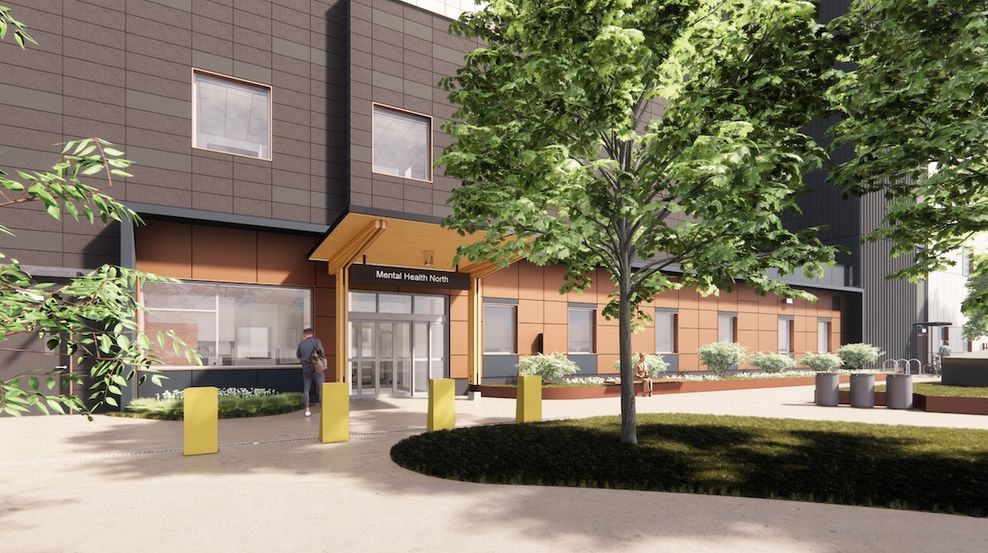
Artistic rendering of the new St. Paul’s Hospital acute care building. (Providence Health Care)
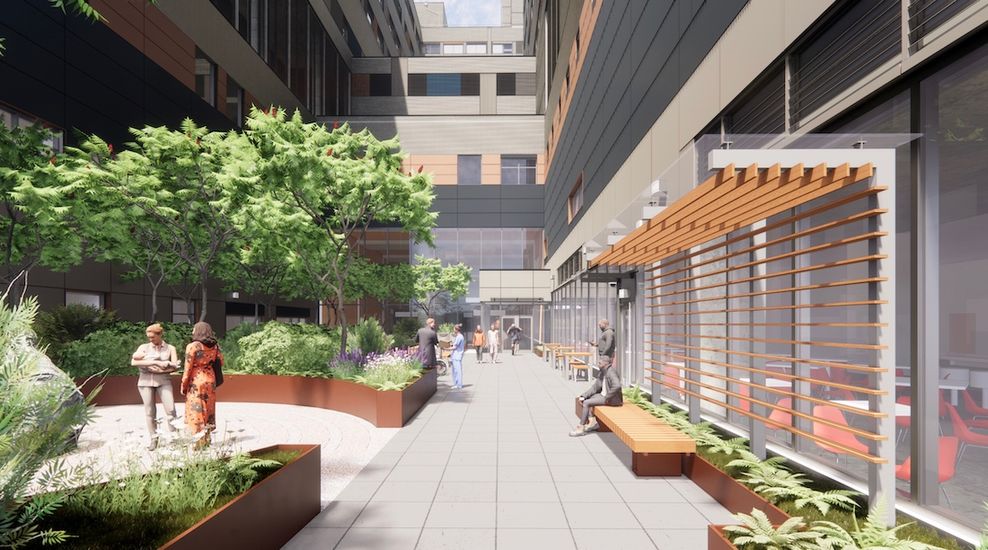
Artistic rendering of the new St. Paul’s Hospital acute care building. (Providence Health Care)
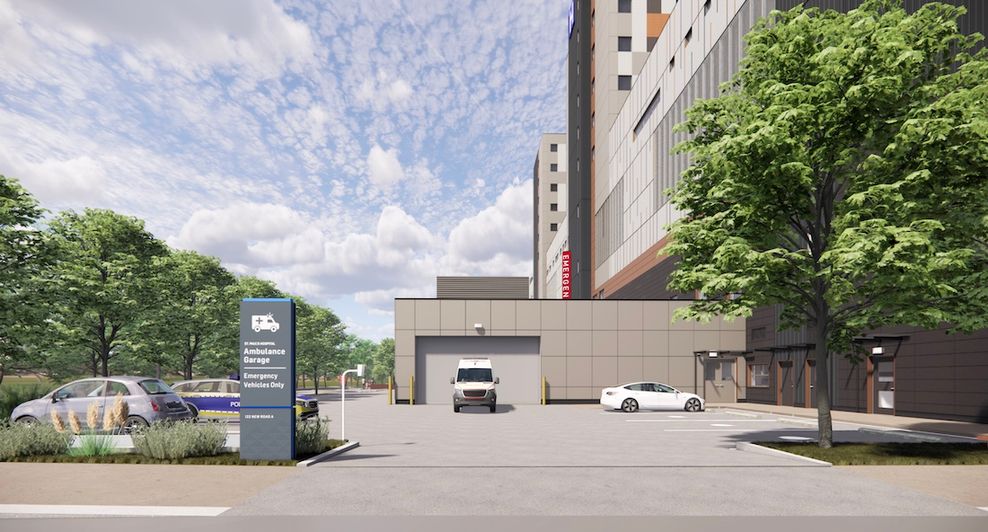
Artistic rendering of the new St. Paul’s Hospital acute care building. (Providence Health Care)