
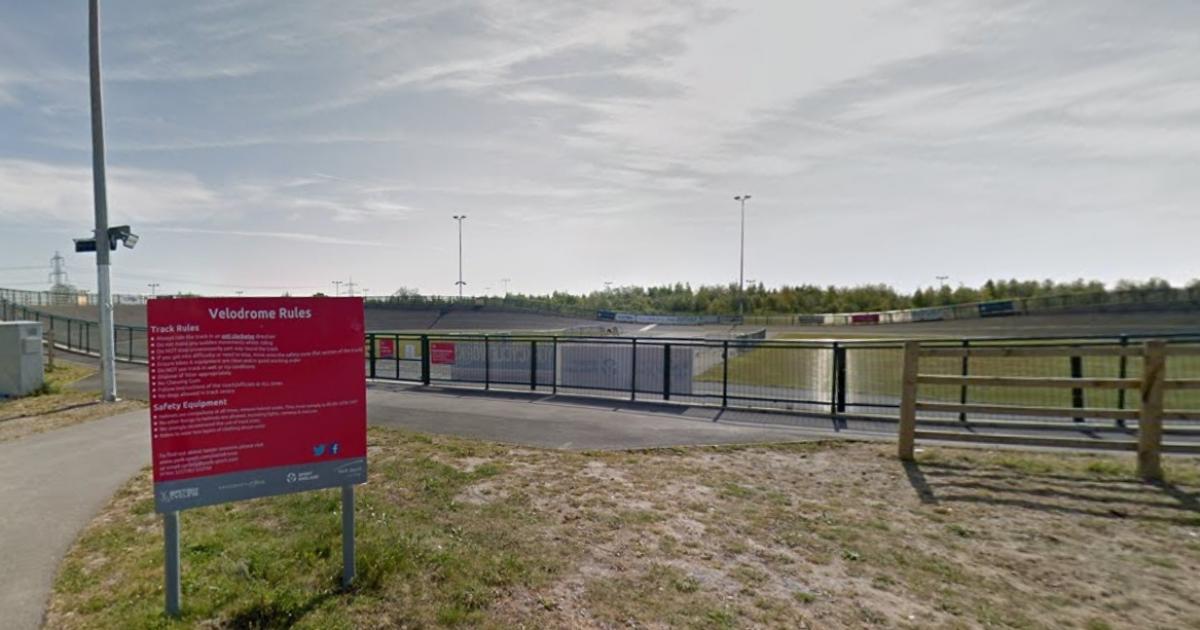
The plans would see three geothermal wells drilled at the disused velodrome south of York Sport Village, in the University of York’s East Campus.
A new 1.2km cycle track would also be created as part of the development to replace the 250m velodrome which is currently closed due to its degraded surfaces.
The University of York’s application stated the wells would heat the Sport Village’s swimming pool and leisure facilities and the cycle track would provide a facility for the community.
Plans lodged with York Council showed that the geothermal part of the development would be done in three phases.
RECOMMENDED READING:
A construction phase would see a drill pad prepared and temporary containerised units, a water tank and security fencing installed.
It would be followed by a 19-month drilling and testing phase.
A 55m-high drill rig would be on site for up to 14 months and once tested the three wells would be connected to the university’s local heat network.
A metal-clad shed would be built to enclose the well heads and construction equipment would be removed from the site during the operation phase.
A lagoon created during the construction phase would be retained and turned into a wetland area once the wells are operational.
The rest of the site would be open to the public as part of a new facility designed with the help of British Cycling.
It would feature a flat surface for beginner riders.
The rest of the facility has been designed to provide a purpose-built area where people can learn about road safety and technical riding skills.
There would also be an off-road area where people can practice riding on more challenging terrain.
A site plan for geothermal wells and a cycling facility at a disused velodrome at York Sport Village, University of York Campus East, in Heslington. Picture is from University of York/York Council’s planning portal.
Plans stated there was currently a shortage of places locally where younger cyclists could learn to ride in a safe environment.
A new building for the existing York Cycling Circuit to the south of the site with changing facilities, toilets and a meeting space is part of the wider development.
It is subject to a separate planning application and the York Cycling Circuit would remain in use throughout the works.
Plans stated the velodrome had been closed for a number of years and it was only used by a small number of people when it was open.
They added the development would provide facilities which offer far wider benefits than the velodrome they would replace.
Plans stated: “The proposed development would provide renewable heat to the swimming pool and leisure facility at York Sport Village which would support its long-term financial sustainability, along with reducing emissions.
“The cycling facility would be accessible to a significantly larger population than the velodrome catered for and would attract new people to cycling in a safe environment.”